

A lot of people have extra hair. The top lip, chin, cheeks, back, legs, fingers, feet, and toes are typical locations. Numerous factors, including heredity, certain drugs like steroids, increased levels of specific hormones, and polycystic ovarian syndrome, might contribute to excessive hair growth.
Unwanted hair can be removed in a variety of methods. Most hair will eventually grow back after using these procedures.
Threading
Some salons provide threading, a traditional hair removal technique used in India. Professional threaders take hair out using strings that they have twisted in a certain way.
Plucking
Though painful, plucking or tweezing is an option worth considering if you need to get rid of a few hairs. When sculpting your eyebrows or removing hair, for example, plucking can be a good way to go. However, you shouldn’t apply this hair removal technique to broad regions. Scarring or ingrown hairs may result from it.

Shaving
Leg, arm, and facial hair are best removed with shaving. Ingrown hairs might result from it, particularly in the pubic area.
Warm Waxing
You have two options for doing this: either at home or in a salon with a professional. Hot waxing may be unpleasant and painful. One negative impact to watch out for is infection. The wax might burn you if it’s too hot. If you also take prescription medications or use prescription acne treatments like Retin-A, you should not utilize this approach. If you do, the wax will rip the skin off. This form of hair removal is popular among women for usage on the upper lip and in the bikini area.
Hair removal with lasers
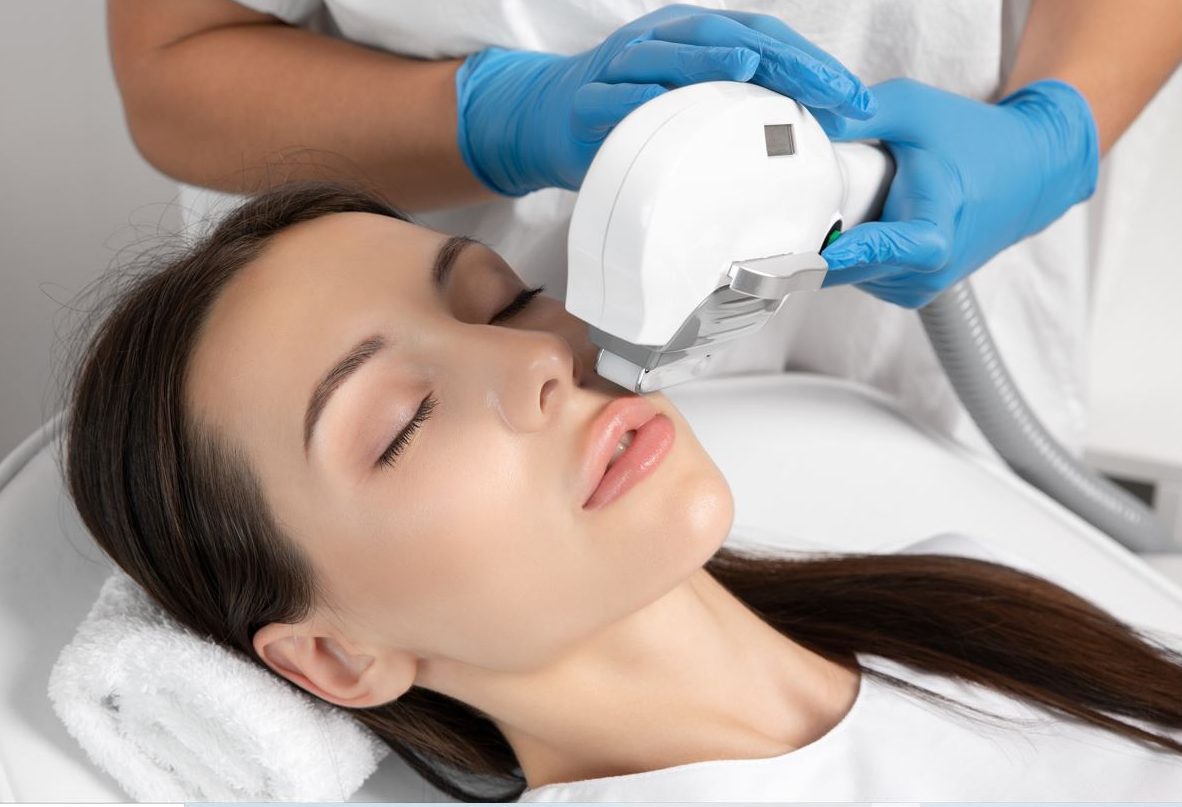
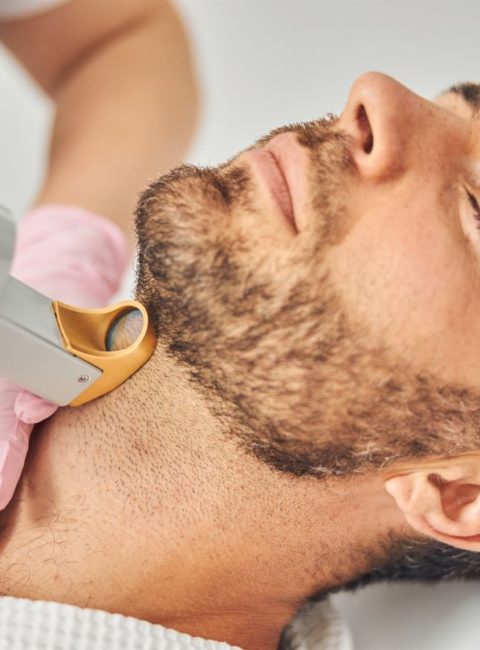
This procedure lasts the longest, and usually takes four or more treatments spaced 4-6 weeks apart, for a long-term effect. It usually only works on dark hair.
The hair bulb can be destroyed by a laser beam or a light pulse. The procedure may be utilized on several regions of the body, although it can be costly and occasionally uncomfortable. Make sure to choose a medical professional or technician with extensive training and competence.
Electrolysis
A specialist performs electrolysis by inserting a small needle with an electric current into the hair follicle. Galvanic and thermolytic electrolysis are the two main ways to remove hair.
The hair follicle is chemically destroyed by galvanic hair removal, and it is heated by thermolytic hair removal to do the same.
In any scenario, make sure to choose a highly skilled and informed specialist.
Every portion of your body is susceptible to electrolysis.
Removal Creams
Depilatory creams, another name for hair removal lotions, are sold over-the-counter. Read the label carefully since they are not all the same. You shouldn’t, for example, use a hair removal treatment intended for pubic hair on your face.
These products’ chemicals disintegrate the hair shaft. Your skin might become burned if a cream is applied incorrectly, by keeping it on for too long, for example. To make sure you don’t have a negative response to the cream, try a little amount on a spot on your arm if you have a history of allergic reactions. Make careful to adhere to the instructions on the product’s container.
Medicines
If none of these hair removal techniques work, you might wish to consult your doctor. Some medications stop hair growth.
A drug called spironolactone has the potential to halt or stop hair growth. A medication called spironolactone may diminish hair growth. Your scalp’s hair won’t be removed by it, and it could even encourage growth there.
Disclaimer
BahrainHealthMatters.com is for informative purposes only and not a substitute for professional in person expertise.
We advise that anyone having concerns about their health issues should consult their doctor asap.