


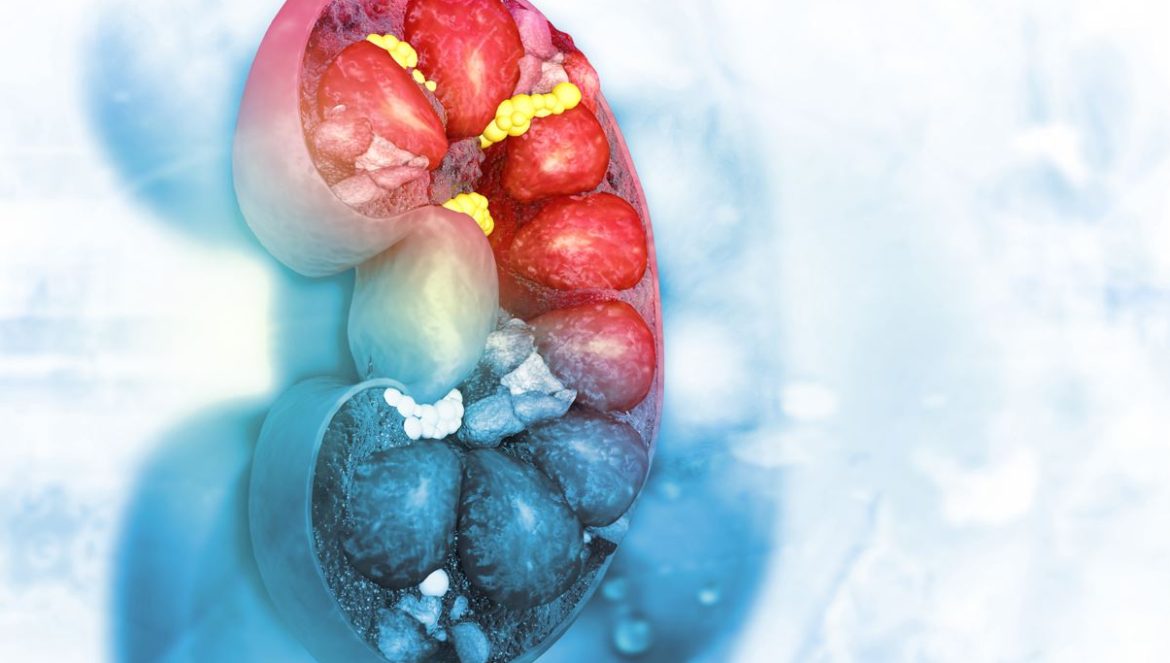
Renal calculi, often known as kidney stones, are solid crystal masses. Your kidneys are where kidney stones normally start to form. But they can appear anywhere along your urinary system, which is made up of the following sections:
- kidneys
- ureters
- bladder\urethra
Kinds of stones and prevention
Kidney stones can cause severe discomfort. Depending on the kind of stone, many factors might induce kidney stones.
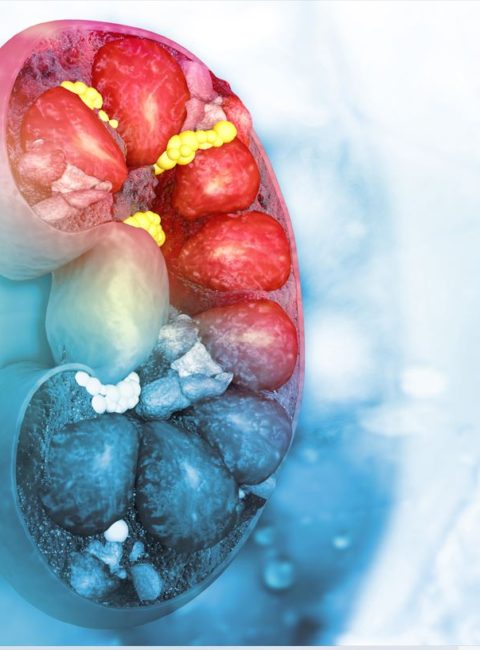
The crystals that make up kidney stones differ from stone to stone. Kidney stones come in several varieties, including:
Calcium
The most typical type of stone is a calcium stone and is mostly produced from calcium oxalate. Your chances of getting this kind of stone can be decreased by consuming fewer meals high in oxalate. Foods high in oxalate include:
- Fried potatoes
- Peanuts
- Chocolate
- Spinach
Still, getting adequate calcium in your diet helps stop stones from developing, even though some kidney stones are comprised of calcium.
Uric acid
This kind of stone is the second-most common. People with gout, diabetes, obesity and other forms of metabolic illnesses are susceptible to them. When urine is excessively acidic, this sort of stone can form. The acidity of urine can increase with a purine-rich diet. Animal proteins including fish, shellfish, and meats contain a colorless chemical called purine.
Struvite
The majority of patients with this sort of stone are those who have urinary tract infections (UTIs). Large stones of this nature might clog the urinary tract. Stones called struvite are brought on by kidney illness. Getting rid of an underlying infection can stop struvite stones from forming.
Cystine
Cysteine kidney stones occur in around 1 in 7,000 individuals globally. The hereditary condition cystinuria causes them in both men and women. An acid that exists naturally in the body, cystine, seeps from the kidneys into the urine when this sort of stone forms.
Signs & Symptoms
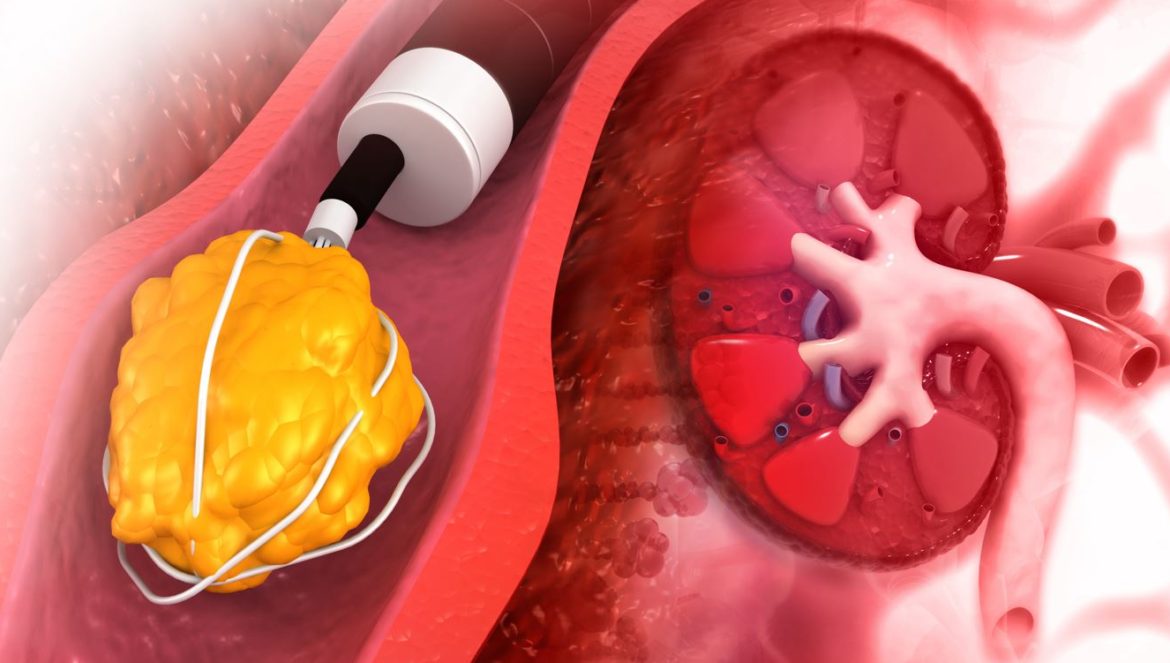
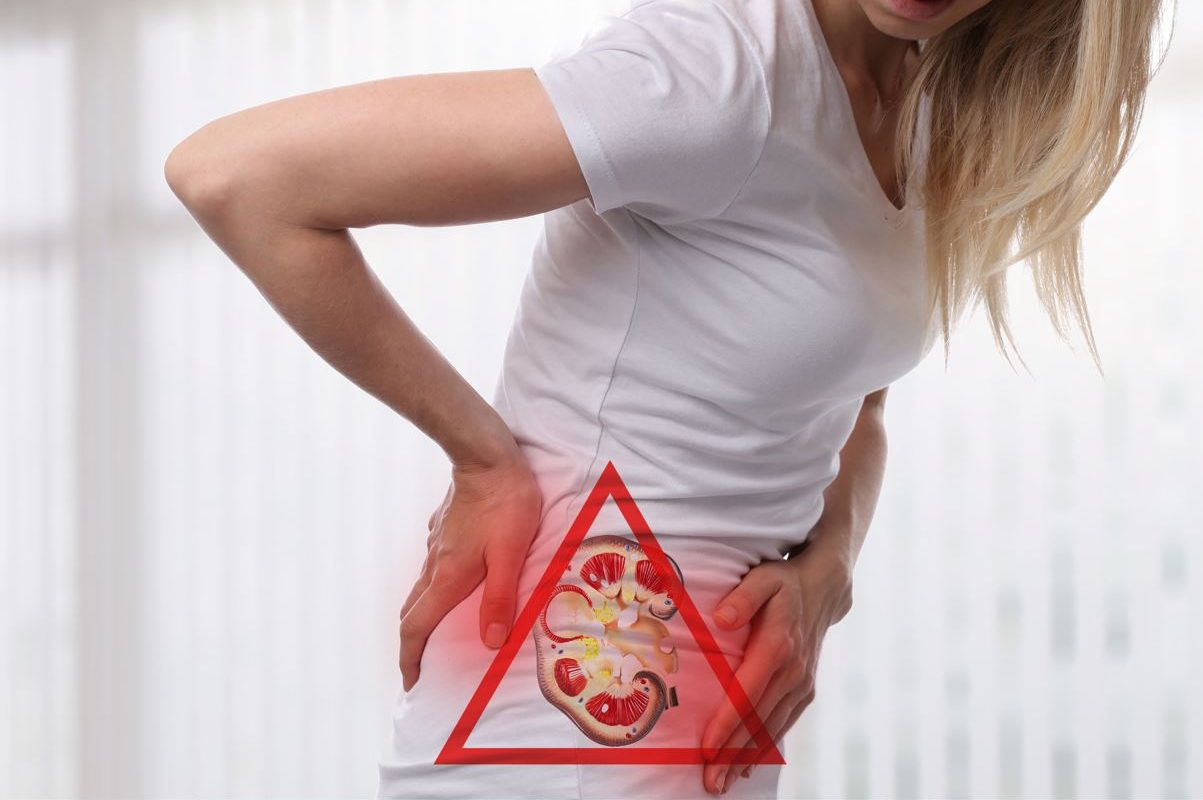
Kidney stones may be excruciatingly painful. It’s possible for kidney stones to not show any symptoms until they start to pass through the ureters.
- Your back or stomach may hurt on one side alone.
- For men, pain may spread to the groin region.
- Restlessness
- Pee with blood in it (red, pink, or brown urine)
- Vomiting
- Nausea
- Pee that smells bad
- Chills
- Fever
- Recurring need to urinate
- Urinating fewer times than usual and in small amounts
If you experience any of the above symptoms, see a doctor as soon as you can.
You might not experience any pain or other symptoms when a little kidney stone moves through your urine canal.
Risk factors
- Genetic predisposition: You are likelier to get kidney stones if you have family members who have or have had kidney stones
- Gender: Kidney stones are more common in men
- Dehydration
- Obesity
- consuming a lot of protein, salt, or sugar
- having a gastric bypass
- gastrointestinal conditions that enhance calcium absorption
- using prescription pharmaceuticals including calcium-based antacids, triamterene diuretics, and seizure meds
Treatment
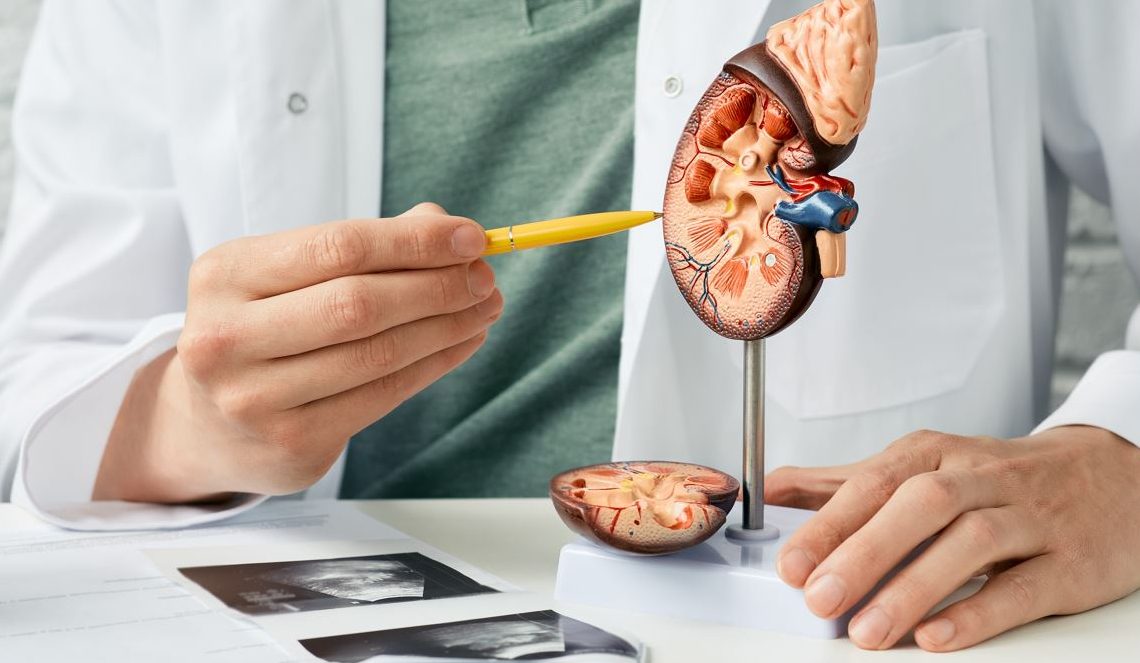
Depending on the stone’s kind, the treatment is customized. It is possible to strain urine and collect stones for analysis.
Urine flow is increased by consuming six to eight glasses of water daily. Intravenous fluids may be necessary for those who are dehydrated or have severe nausea and vomiting. Various treatments and medications are prescribed depending on the kind and severity of the issue.
Pain treatment
A kidney stone's passage may be painful and uncomfortable. To aid with symptoms, your doctor could advise taking over-the-counter painkillers such acetaminophen or ibuprofen.
Other natural treatments, such as having a hot bath or shower or using a heating pad on the afflicted area, may also offer momentary symptom alleviation.
Passing kidney stones
A kidney stone’s passage usually takes place over many weeks in phases.
Smaller stones take 1-2 weeks to pass put, usually without the need for therapy. Larger stones, on the other hand, can take 2-3 weeks to pass past the kidneys and enter the bladder. Stones that don’t pass naturally after four weeks need to be treated medically.
The phases that take place when passing a kidney stone are as follows:
Stage -1
Once a kidney stone has developed, your kidneys may begin to contract to remove the stone. Your back or side may experience excruciating agony as a result, which may manifest itself in waves
Stage -2
The stone enters the ureter, the tube that joins the kidneys and bladder, at this point. This step can also result in discomfort and extreme pressure depending on the size of the stone.
Stage-3
The majority of the discomfort will go away once the stone has passed through to the bladder. However, you can have increased bladder pressure and an increased need to urinate. Sometimes, a stone may momentarily become lodged at the urethral opening, obstructing urine flow.
Stage-4
Once the stone has passed through the urethra, the process is over. To pass the kidney stone through the urethral opening with the urine at this point, you must exert a lot of force.
Prevention
The most important preventative measure is proper hydration. It is advised to consume enough liquid to produce at least 2.5 liters of urine each day. It helps to cleanse the kidneys when you pass more urine. For this, consume more fluids. It helps to substitute fruit juice, ginger ale, and lemon-lime soda for water. Citrate juices may help avoid the stones if the low citrate levels are a contributing factor.
You can lessen your risk of kidney stones by limiting your consumption of salt and animal proteins and moderating oxalate intake.
You may also make the following dietary changes by limiting your intake of the following:
- beef
- chicken
- animal organs
- fish
- shellfish
- eggs
- milk
- cheese
- yogurt
- refined meats
- fast food
- frozen food
- salty foods
Your chance of getting kidney stones might rise if you consume more animal proteins such as those found in meat, poultry, fish, and dairy products.
When to visit a doctor
Small kidney stones frequently pass on their own and don’t need to be treated.
You might not require treatment if you can control your pain with over-the-counter drugs and don’t show any symptoms of infection or severe symptoms like nausea or vomiting.
However, you should get quick medical help if you encounter any of the following signs:
- pee with blood in it
- fever
- chills
- hazy or stench-filled urine
- vomiting
- back or side ache that is excruciating
- discomfort or burning after urinating
- having trouble urinating
You should visit the emergency department to get treated if you cannot see your doctor. Even if your symptoms go away on their own, you should still consult your doctor if you have frequent kidney stones.
Although having kidney stones can be a painful and unpleasant problem, there are a variety of treatments that can be used. There are a variety of treatments and drugs that can ease symptoms and encourage kidney stone clearance. Additionally, consuming a healthier diet and drinking plenty of water can help avoid kidney stones in the long run.
Disclaimer
HealthMattersLive.com is for informative purposes only and not a substitute for professional in person expertise.
We advise that anyone having concerns about their health issues should consult their doctor asap.