


What is Psoriasis
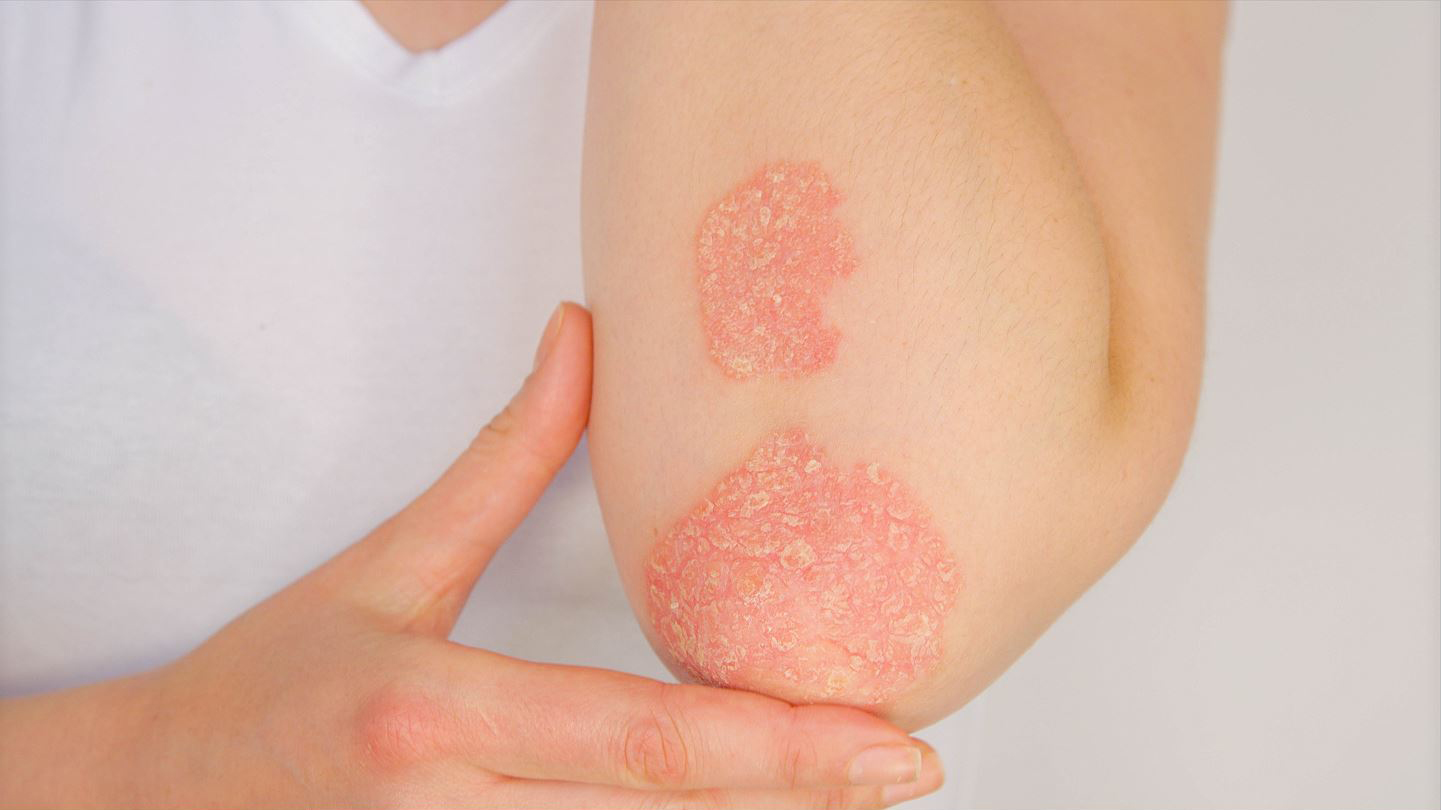
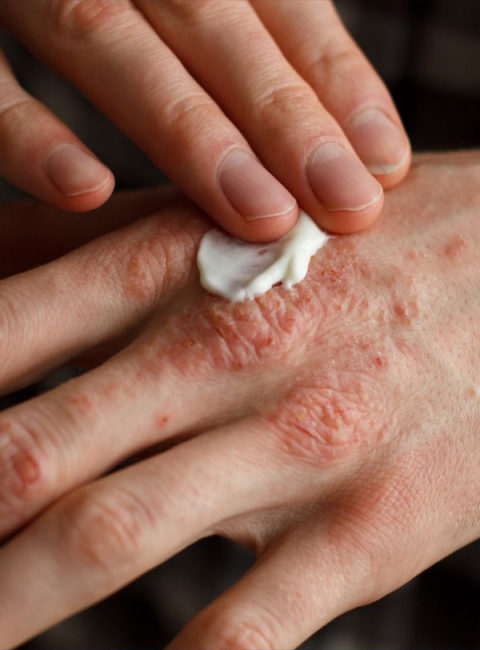
An autoimmune disorder called psoriasis results in a quickened accumulation of skin cells. Scaling is a result of this cell accumulation on the surface of your skin.Around the scaling, inflammation and redness are typical.
Typical psoriatic scales appear as thick, red patches and are whitish-silver in color. However, they might also show up more as purple, or dark brown with gray scales on deeper skin tones. These patches occasionally fracture and bleed.
Skin cells typically develop deep within your skin before slowly rising to the surface. They eventually peel off. A skin cell typically has a life span of one month. This process may take place in only a few days in patients with psoriasis. In light of this, Skin cells can't have time to shed as a result. The overproduction causes skin cells to accumulate.Scales commonly form on joints like the elbows and knees. But they might appear anywhere on your body, including the:
- Hands
- Feet
- Neck
- Scalp
- Face
Less prevalent forms of psoriasis impact the:
- Nails
- Mouth
- Groin
Kinds of Psoriasis
Psoriasis comes in five different forms:
1. Psoriasis Plaque
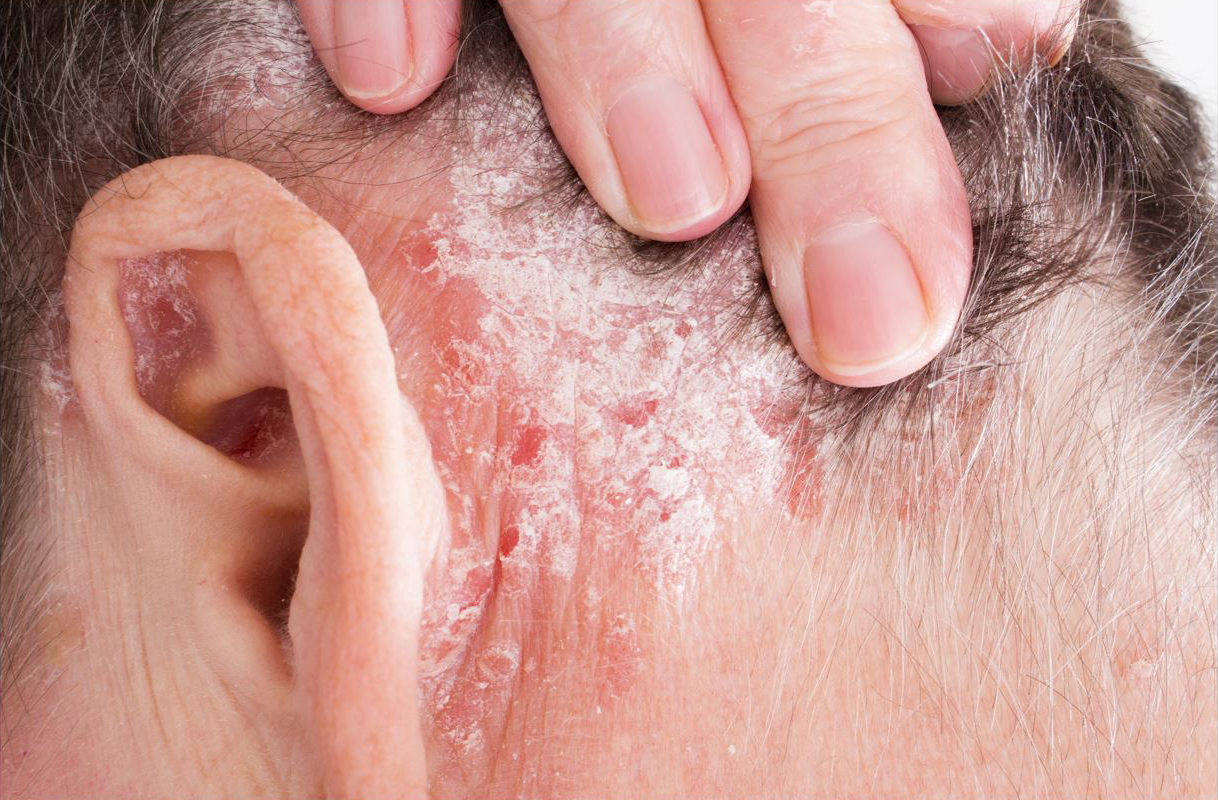
The most prevalent kind of psoriasis is plaque psoriasis.Between 80 and 90 percent of those suffering from the illness have plaque psoriasis. It results in purple, grayish, or deeper brown spots on skin and red, inflammatory patches on light skin tones, making it difficult to identify in people with darker skin colors.
On darker-colored skin, these spots are usually more severe and frequently coated in whitish-silver scales or plaques. The scalp, knees, and elbows are common locations for these plaques.
2. Guttate Psoriasis
Children and young adults frequently get guttate psoriasis. Small pink or violet patches are produced by this kind of psoriasis. Your torso, arms, and legs are where guttate psoriasis most frequently appears. Rarely are these lesions elevated or thick like plaque psoriasis.
3. Psoriasis with Pustules
Adults are more likely to develop pustular psoriasis. Depending on skin tone, it results in large regions of red or violet inflamed skin as well as white, pus-filled blisters. On darker skin tones, it might have a more vivid violet hue. Pustular psoriasis normally affects only a limited portion of your body, commonly the hands or feet, although it can also affect larger parts of the body.
4. Inverse Psoriasis
Bright, glossy, inflammatory skin patches are a symptom of inverse psoriasis. Inverse psoriasis manifests as patches around skin folds in the genitalia, beneath the breasts, in the groin, or under the armpits.
5. Erythrodermic Psoriasis
Erythrodermic psoriasis is a severe and extremely uncommon form of psoriasis. Large portions of your body are frequently covered at once by this type, with the skin having a scorched appearance. When scales form, they frequently fall off in large pieces. With this type of psoriasis, you could also get fevers.
It is crucial that you schedule a consultation with a healthcare provider because this type might be fatal.
Symptoms
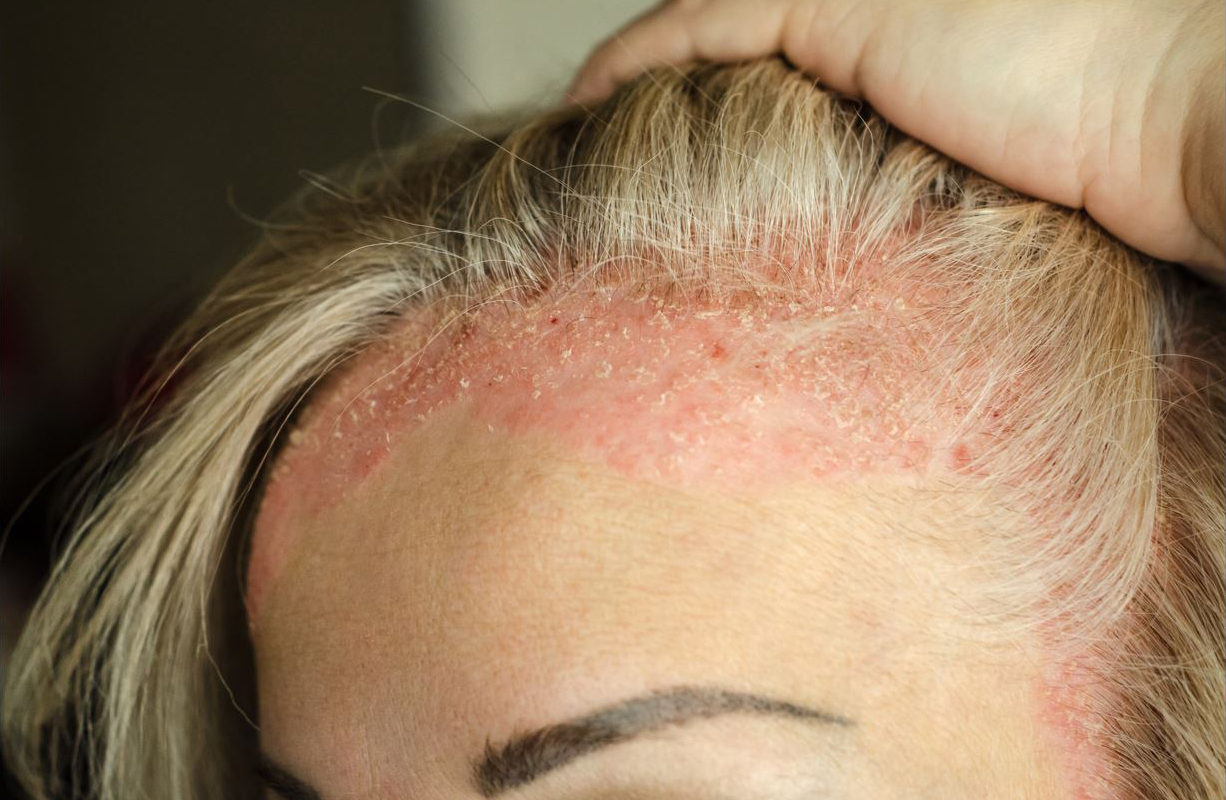
Psoriasis lesions can range in size from a few flakes on your scalp or elbow to the entire body. If they have a less common kind of psoriasis, some people will suffer completely different symptoms.
Psoriasis lesions can range in size from a few flakes on your scalp or elbow to the entire body. If they have a less common kind of psoriasis, some people will suffer completely different symptoms.The majority of psoriasis patients have "cycles" of symptoms. For a few days or weeks, the illness can produce severe symptoms, and then those symptoms might reduce and become nearly non-existent. The illness may then flare up once more in a few weeks or if aggravated by a typical psoriasis trigger. Psoriasis symptoms might occasionally go away entirely.
You may be in "remission" if you don't exhibit any current symptoms of the illness. However, that does not guarantee that the psoriasis will not flare up again.
Psoriasis is Not Contagious
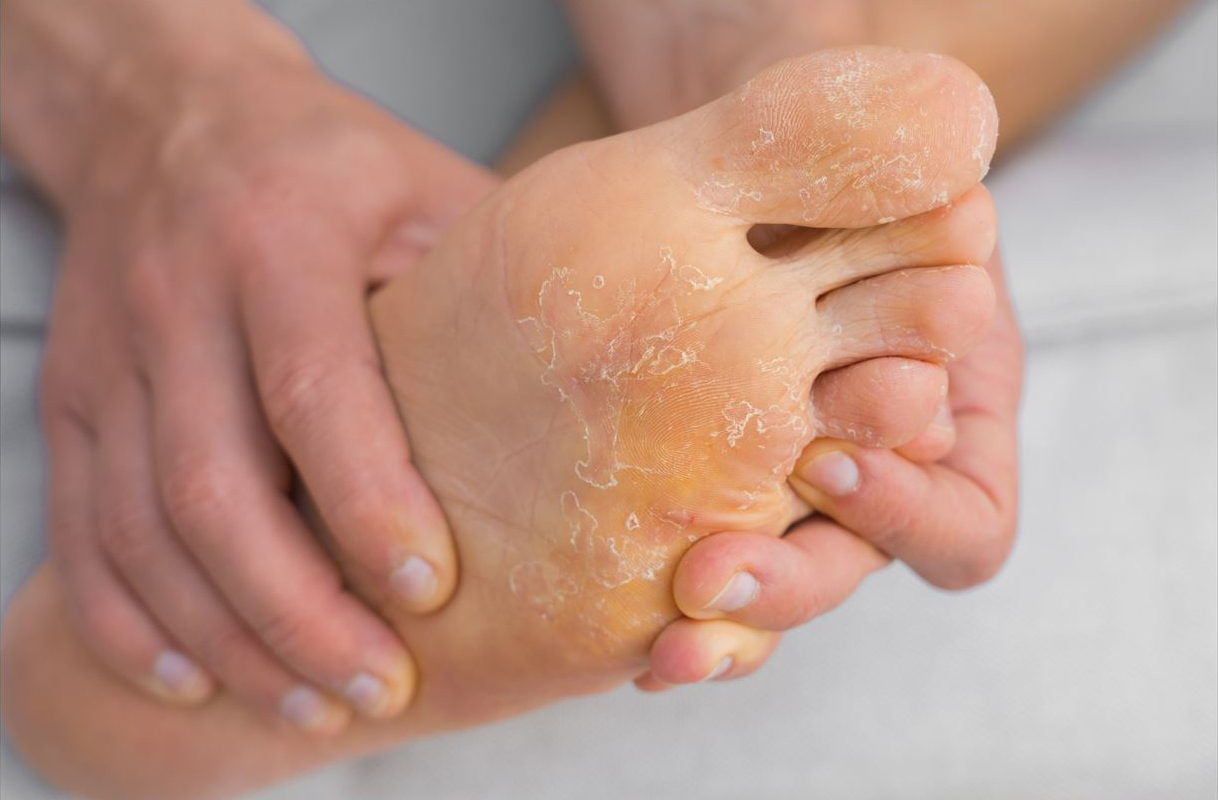
The skin is impenetrable. A skin disorder cannot be transferred from one individual to another. You won't get psoriasis if you touch someone who already has the ailment. Since many individuals believe psoriasis is contagious, and this contributes to patients’ self-esteem,it is important to remember this.
Disclaimer
HealthMattersLive.com is for informative purposes only and not a substitute for professional in person expertise.
We advise that anyone having concerns about their health issues should consult their doctor asap.