

Rosacea

by gdnadmin

What is Rosacea?

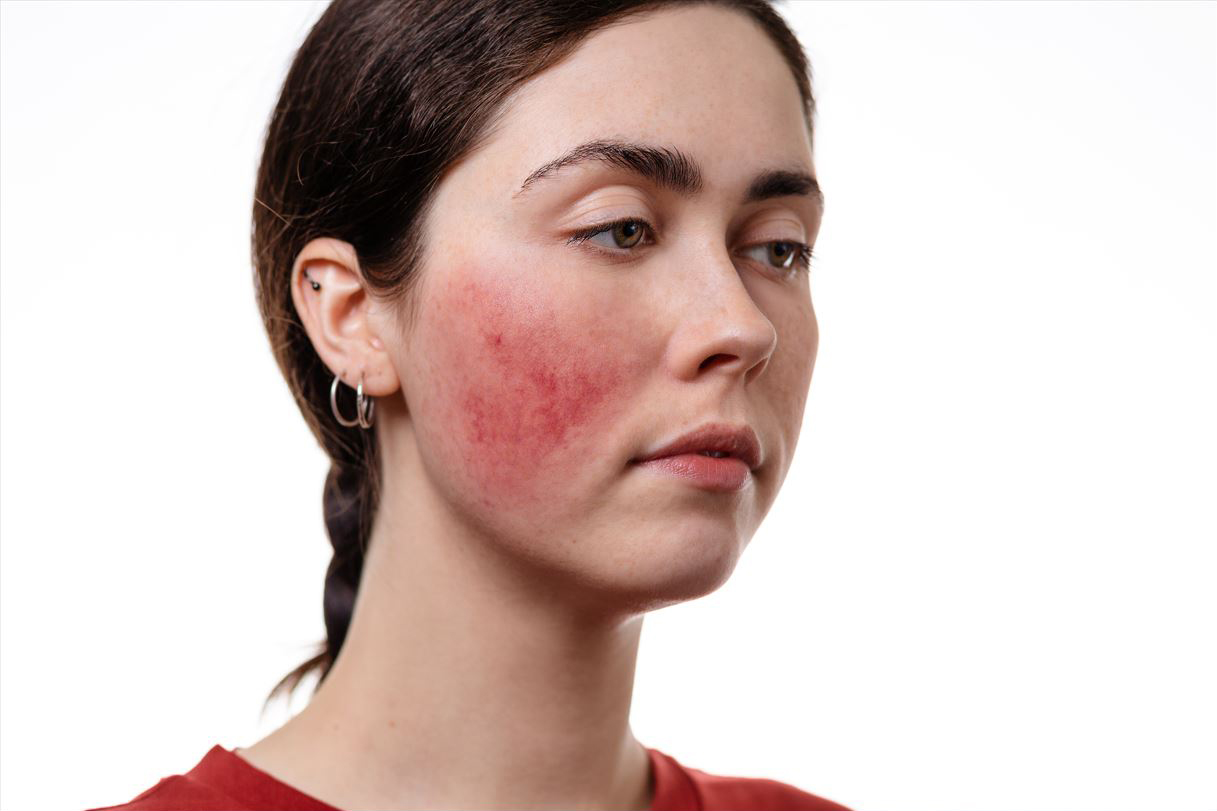
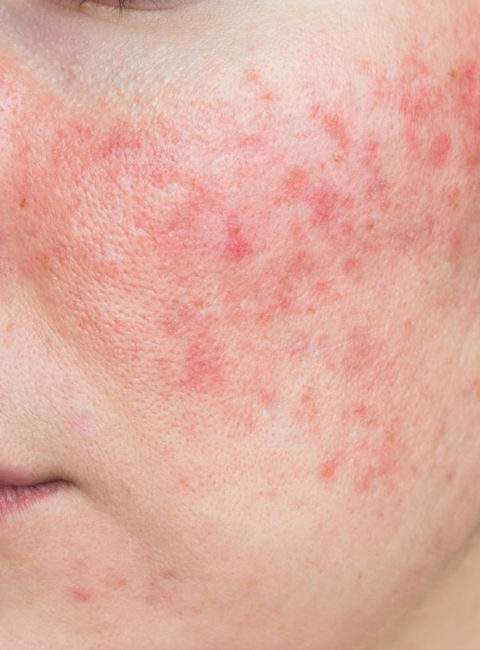
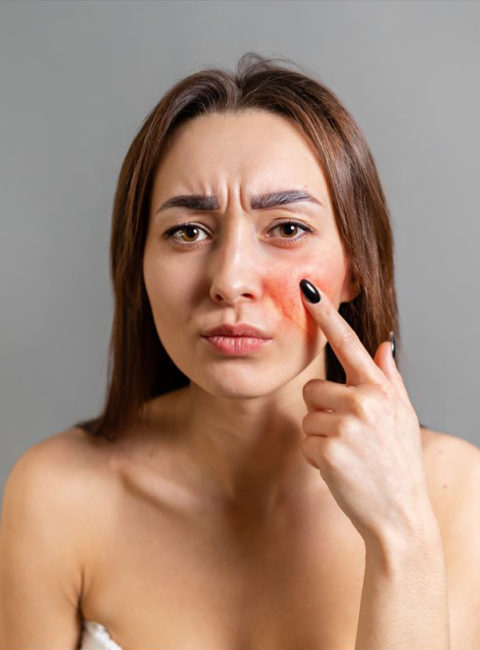
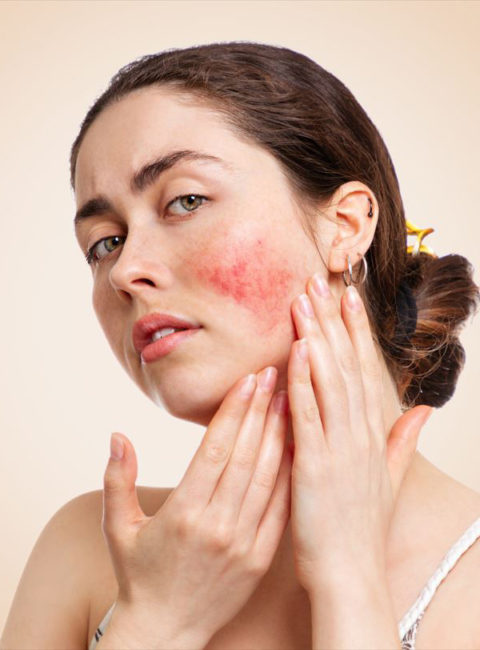
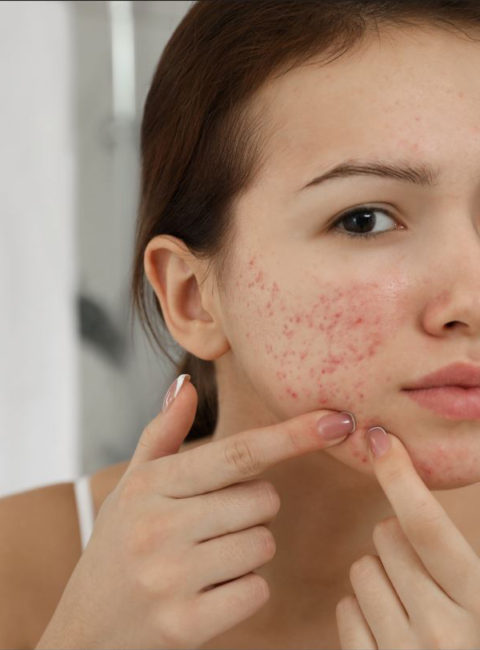
Rosacea is a chronic skin condition where small, red, pus-filled pimples appear on the skin. Typically, only the skin on your nose, cheeks, and forehead suffers from rosacea.

There is currently no treatment for rosacea and no recognized cause.

Medical professionals may treat the illness by alleviating its symptoms. Rosacea has four different subgroups. There is a unique set of symptoms for each subtype. It is possible to experience more than one rosacea subtype simultaneously.

Flare-ups typically happen in cycles. This implies that you'll have symptoms for a few weeks or months at a time, they'll subside, and then they'll eventually flare up again.

Types and Symptoms

Each subtype of rosacea has a particular set of symptoms. The four kinds of rosacea include:

  • Erythematotelangiectatic Rosacea (ETR):
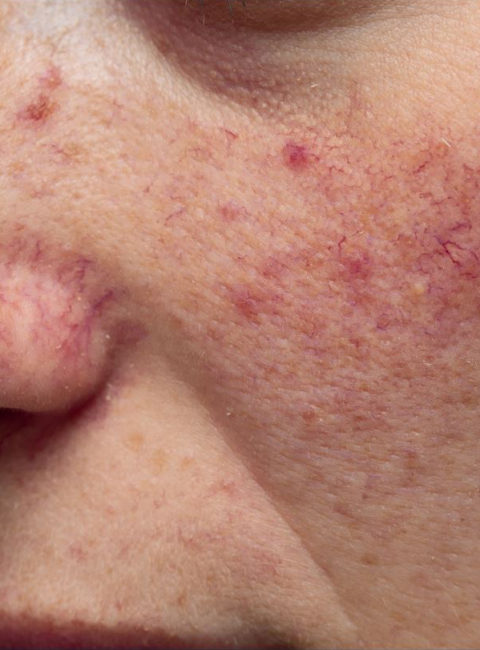
    Subtype 1, is characterized by facial redness, flushing, and visible blood vessels. This type is characterized by:


    • Redness and flushing in the middle of your face
    • Clearly discernible blood vessels
    • Skin sensitivity
    • Skin that stings and burns
    • Dry, flaky, and scaly skin
  • Papulopustular (or acne) Rosacea:
    Subtype 2, is linked to outbreaks that resemble acne and frequently affects middle-aged women. This type is characterized by:


    • Extremely red skin and outbreaks that resemble acne
    • Oily skin
    • Skin sensitivity
    • Shattered blood vessels that are apparent
    • Elevated skin lesions
  • Rhinophyma:
    Subtype 3, is not a common condition. It is marked by the thickening of the skin of your nose. It mostly affects men. This type is characterized by:


    • Rough skin surface
    • Thick nasal skin
    • Enlarged pores
    • Clearly discernible blood vessels
  • Ocular Rosacea:
    Subtype 4, is characterized by symptoms that are concentrated around the eyes. This type is characterized by:


    • Wet and swollen eyes
    • Burning eyes
    • Itchy, dry eyes
    • Eyes that are light-sensitive
    • Eyes with cysts
    • Weakened vision
    • Eyelids with ruptured blood vessels

What Causes Rosacea?

Rosacea could be a result of a mix of environmental and inherited factors. It is well recognized that various factors might exacerbate your Rosacea symptoms. These consist of:

Who is at risk from Rosacea?

People between the ages of 30 and 50 are frequently affected by Rosacea. Additionally, those with paler complexion, lighter hair, and lighter eyes are more likely to experience it. Additionally, women are more prone than males to acquire the illness. Men however, frequently experience the illness with more severity.

Managing Rosacea

The best method to stop flare-ups is to create a treatment plan with your doctor and stay away from your triggers.

Rosacea cannot be cured, but there are things you can do to manage your symptoms.

  • Use mild cleansers and water-based skin care products that are oil-free to properly care for your skin.
  • Purchase face creams and moisturizers without oil.
  • Stay away from products that contain alcohol, menthol, and exfoliating substances. These substances could aggravate your symptoms.
  • Keep out of the sun's direct rays and use sunscreen.
  • Join support networks or discussion forums online to get assistance. Making connections with other rosacea patients might make you feel less isolated.

Disclaimer

BahrainHealthMatters.com is for informative purposes only and not a substitute for professional in person expertise.
We advise that anyone having concerns about their health issues should consult their doctor asap.

Leave a Comment

Want to support the Health Matters Expo

Corporate Office

Feature Posts

Newsletter