

316
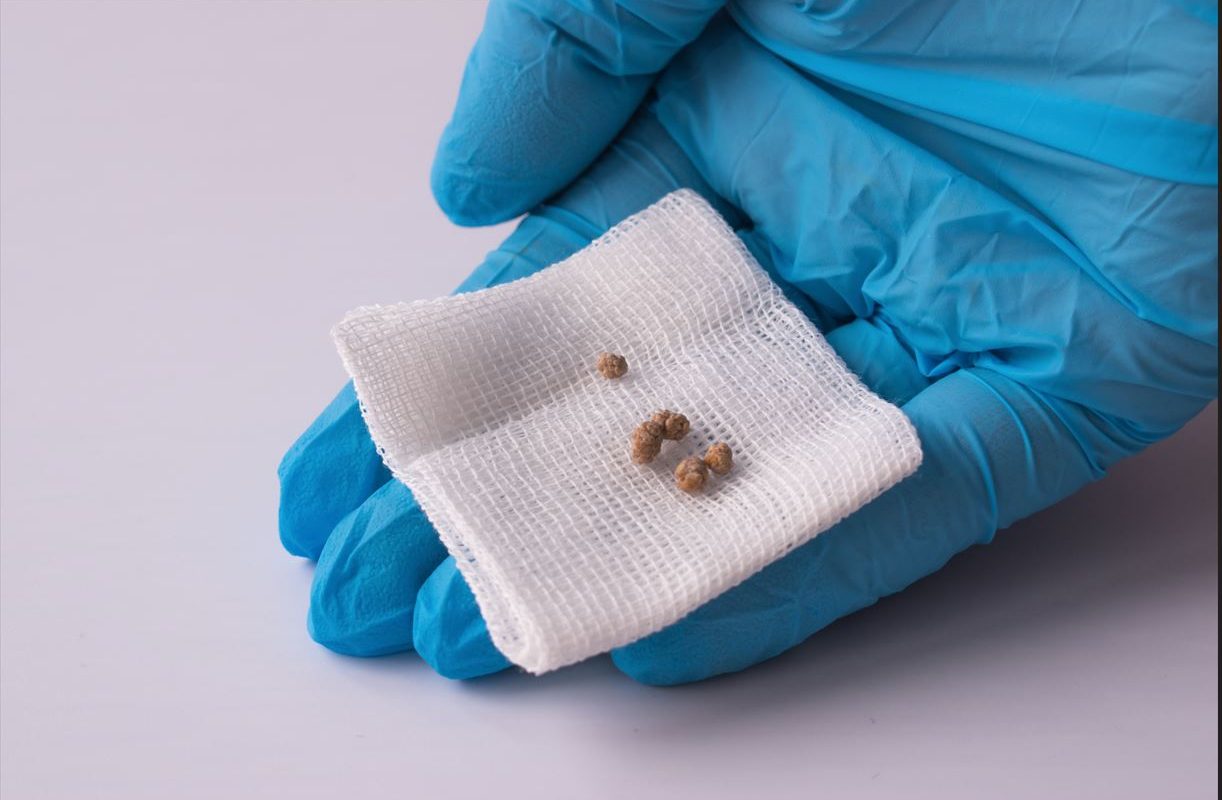
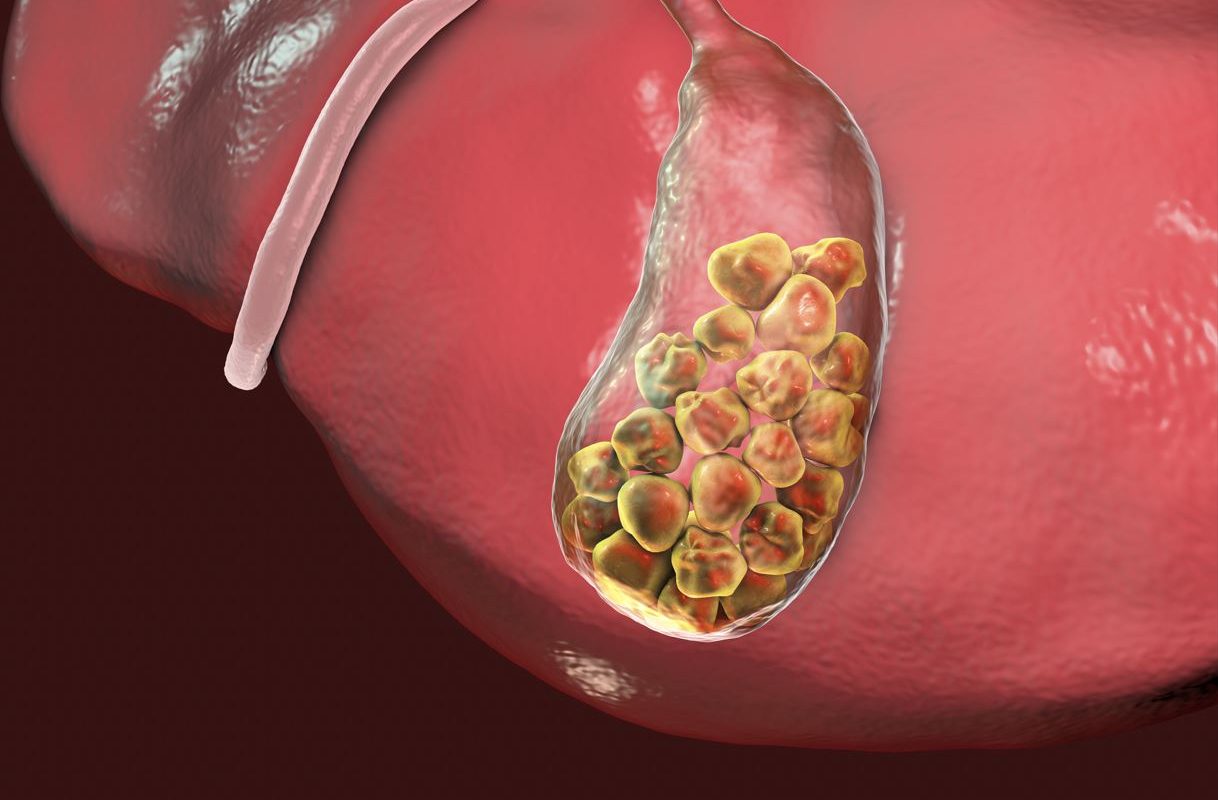
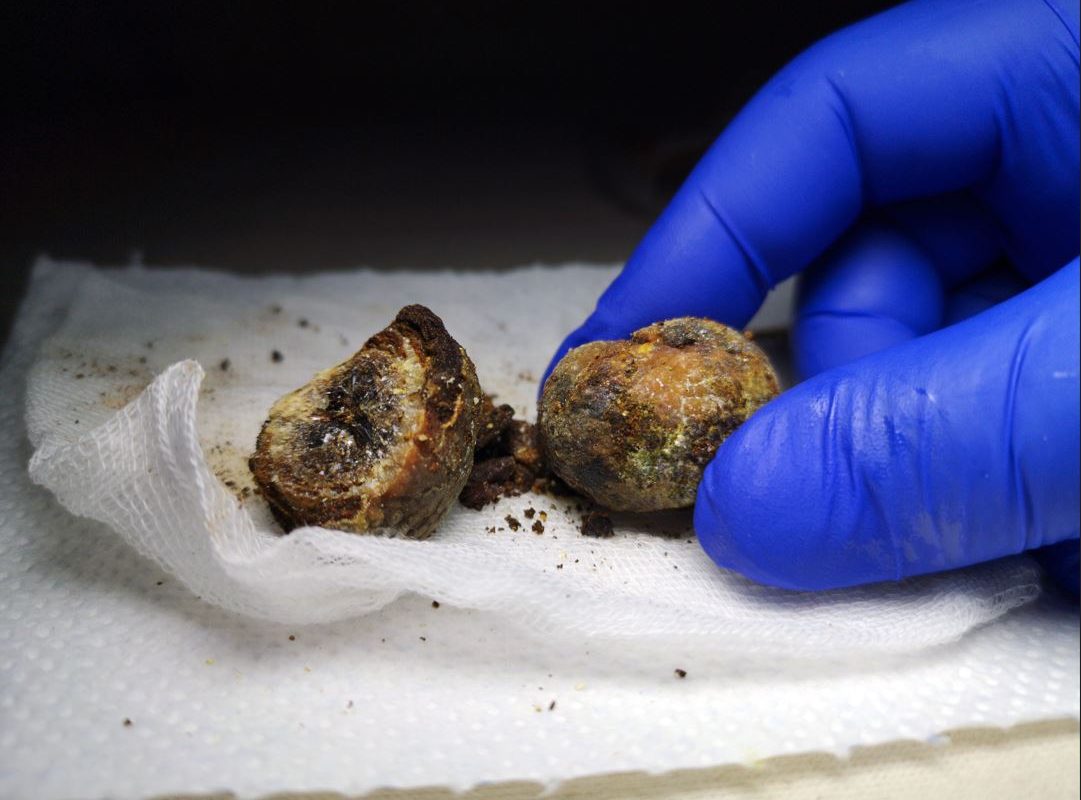
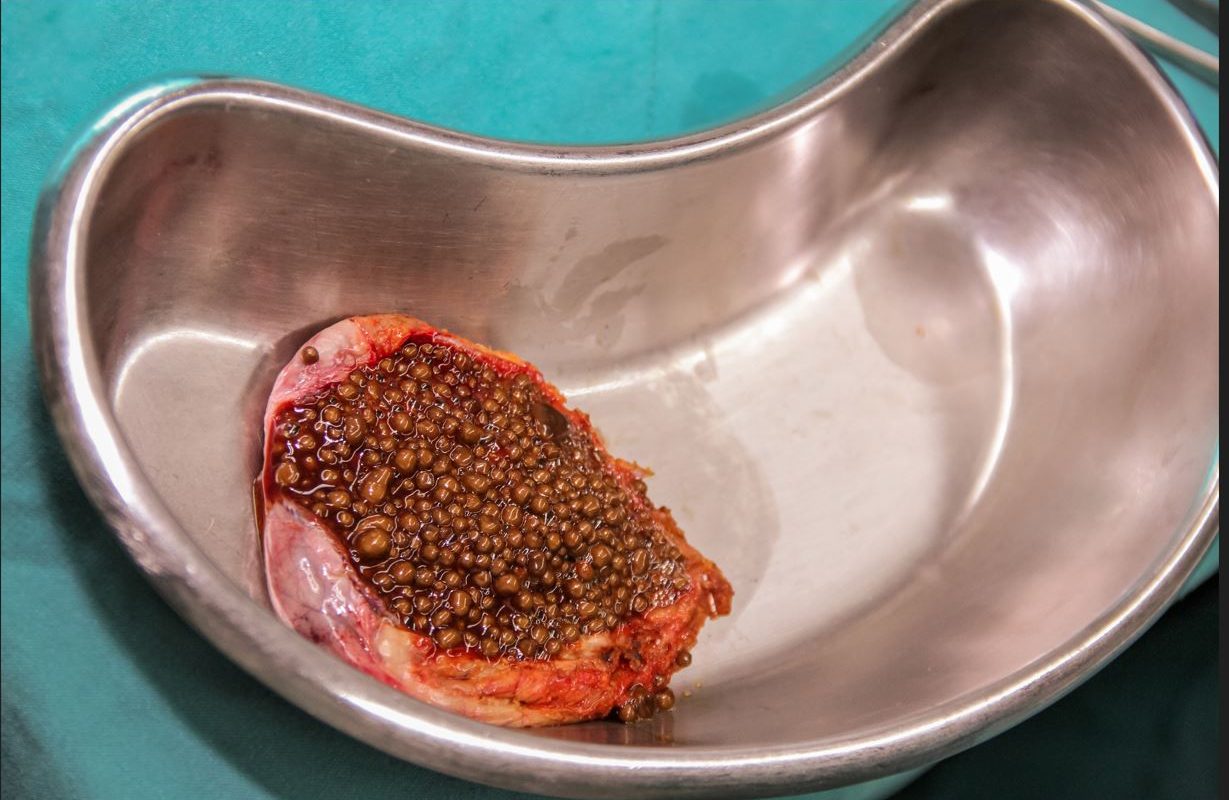
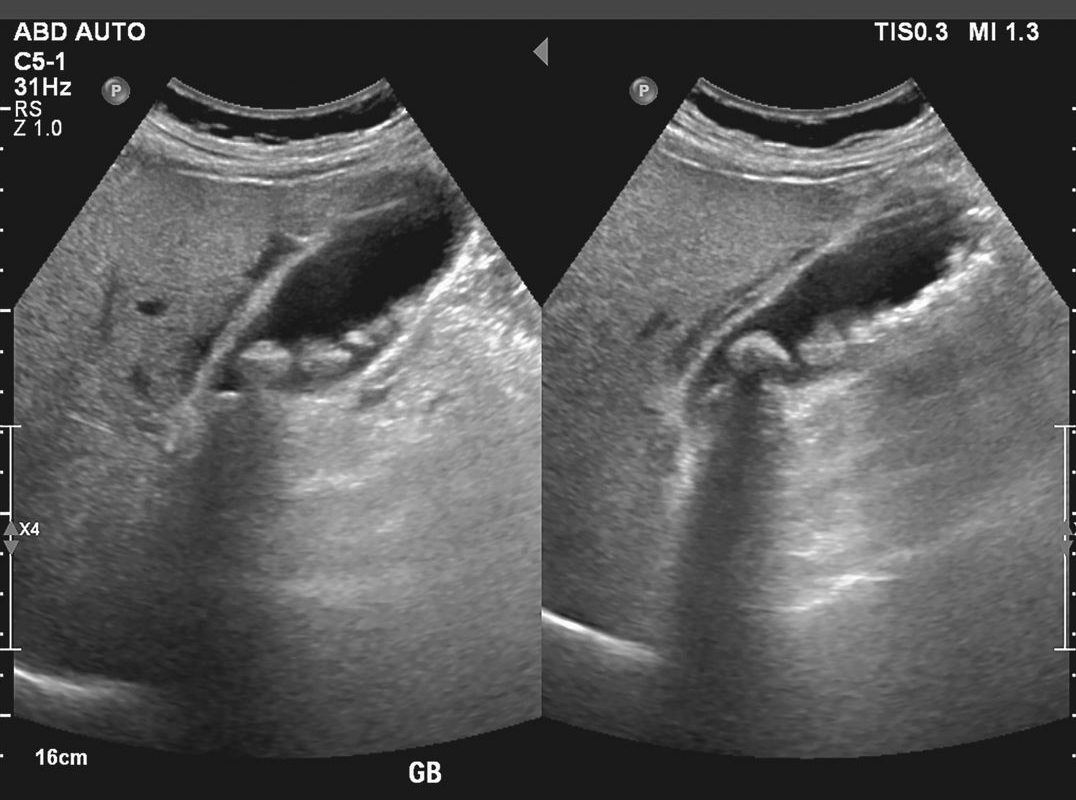
There is a little organ called the gallbladderin your upper right belly, directly beneath your liver. Bile, a greenish-yellow liquid that aids in digestion, is kept in this pouch. Sometimes, gallstones obstruct the bile duct. Most gallstones are caused by the hardening of bile-derived chemicals like cholesterol. Gallstones are often asymptomatic and quite prevalent. However, only 10% of those with gallstones will have symptoms within 5 years.
Gallstones symptoms and signs
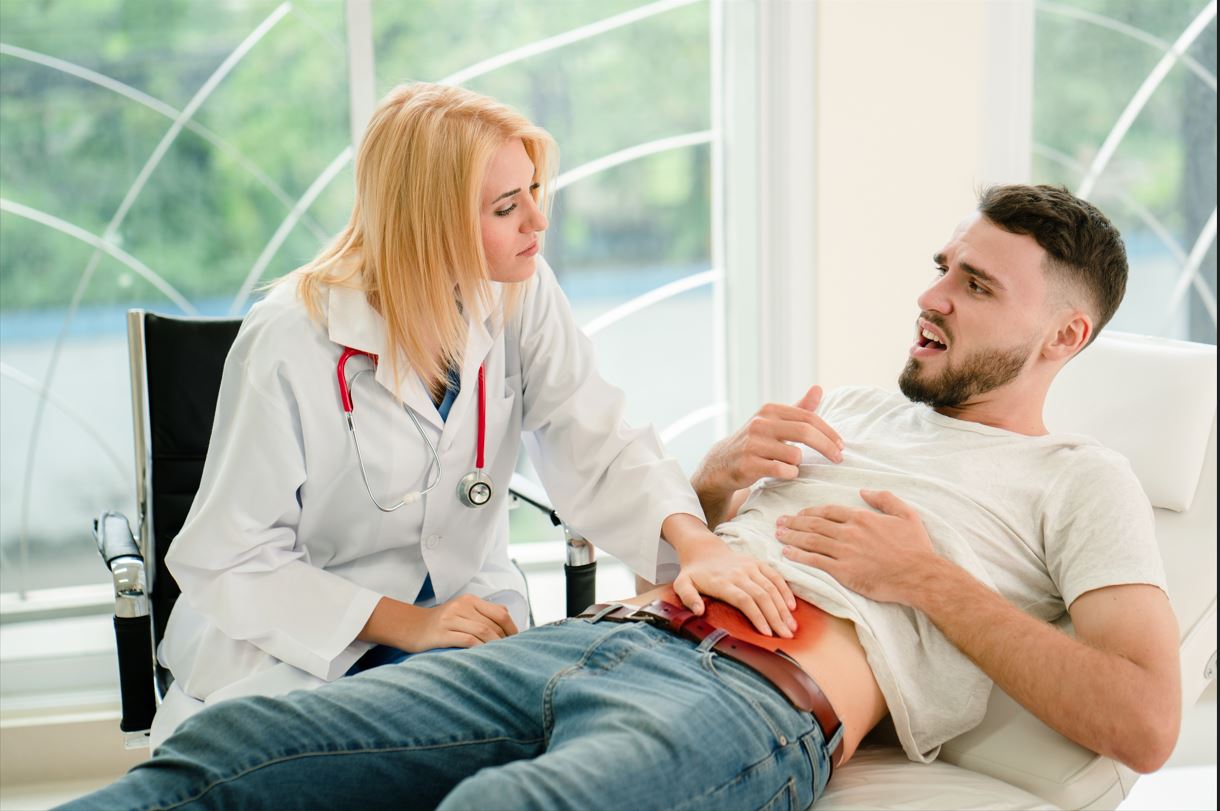
The upper right abdomen or the middle of your stomach may hurt as a result of gallstones. Periodic gallbladder discomfort is possible. Occasionally, eating fried or high-fat meals may cause you to have gallbladder discomfort, although this can happen nearly any time. While gallstone-related pain often only lasts a few hours, it can be very painful.The symptoms of gallstones may worsen and eventually include the following:
- Elevated temperature
- Elevated heartbeat
- Yellowing of the skin and eye whites (jaundice)
- Roughened skin
- Diarrhea
- Chills
- Disorientation
- Decreased appetite
These symptoms might indicate a gallbladder infection or an inflammation of the pancreas, liver, or gallbladder.No matter what, if you have a gallstone the symptoms of other dangerous conditions like appendicitis and pancreatitis can mirror the symptoms of gallstones.
You must visit a doctor or go to the emergency room if you have one or more of these problems since gallstone symptoms might mirror those of more dangerous conditions including appendicitis and pancreatitis.
Gallstones themselves don’t cause pain. Instead, discomfort happens when gallstones obstruct bile flow from the gallbladder.”Silent gallstones” affect roughly 80% of people with gallstones. So the vast majority are symptom- and pain-free.
Some Causes of Gallstones:
Cholesterol buildup in bile
Yellow cholesterol stones might develop if your bile contains an excessive amount of cholesterol. If your liver produces more cholesterol than your bile can break down, these hard stones may form.
Excessive bilirubin levels
A substance called bilirubin is created as part of the regular breakdown of red blood cells. Following production, it moves through the liver before being removed from the body.Your liver may overproduce bilirubin under certain circumstances, such as liver disease and some blood diseases. When your gallbladder is unable to break down the extra bilirubin, pigment gallstones develop. They are typically black or dark brown.
Concentrated bile
For your gallbladder to work effectively, it must be able to release its bile. Insufficient bile excretion can result in overly concentrated bile, which can lead to the formation of stones.
Risk factors
While certain gallstone risk factors can be influenced by food and lifestyle habits, others are less so. Some common risk factors include:
- Having a low-fiber, high-fat, or high-cholesterol diet
- Using certain drugs to reduce cholesterol
- Taking prescription drugs high in estrogen (like certain birth control pills)
- Losing weight quickly
- Being overweight
- Having type 2 diabetes
- Having cirrhosis
- Having a baby
- Being female
- Having gallstones running in one’s family
- Being over 60 years old
Even though some drugs may raise your risk of getting gallstones, you shouldn’t stop taking them before talking to your doctor and getting their clearance.
Treatment
Most of the time, unless gallstones are painful, you won’t require therapy. Gallstones can occasionally travel through your system undetected.
Your doctor is likely to advise surgery if you are in pain.
Medication may be utilized on occasion. There are a few nonsurgical options to try if you have a high risk of surgical problems. Even with extra therapy, your gallstones might recur if surgery is skipped. So, monitoring your condition may be necessary throughout your life.
Your doctor is likely to advise surgery if you are in pain.
Medication may be utilized on occasion. There are a few nonsurgical options to try if you have a high risk of surgical problems. Even with extra therapy, your gallstones might recur if surgery is skipped. So, monitoring your condition may be necessary throughout your life.
Prevention
Try these recommendations to improve your health and lower your chance of developing gallstones:
- Consume fewer processed carbohydrates (such as white bread and cookies) and less sugar.
- Increase your consumption of fats like fish oil and olive oil, which may aid in normal contraction and emptying of your gallbladder.
- Consume the recommended amount of fiber daily (women need about 25 grams a day, men need about 38 grams a day).
- Engage in daily physical activity.
- Stay hydrated.
- Maintaining cholesterol levels
Cholesterol appears to have a significant role in the creation of gallstones, despite the fact that there is no method to completely avoid them. Your doctor might advise you to reduce meals high in saturated fat if you have a family history of gallstones. These foods include, among others:- Fatty meat, such as sausage
- Cookies and cakes
- Cream
- Certain cheeses
Most times when stones are removed, they don’t come back.
Disclaimer
HealthMattersLive.com is for informative purposes only and not a substitute for professional in person expertise.
We advise that anyone having concerns about their health issues should consult their doctor asap.