

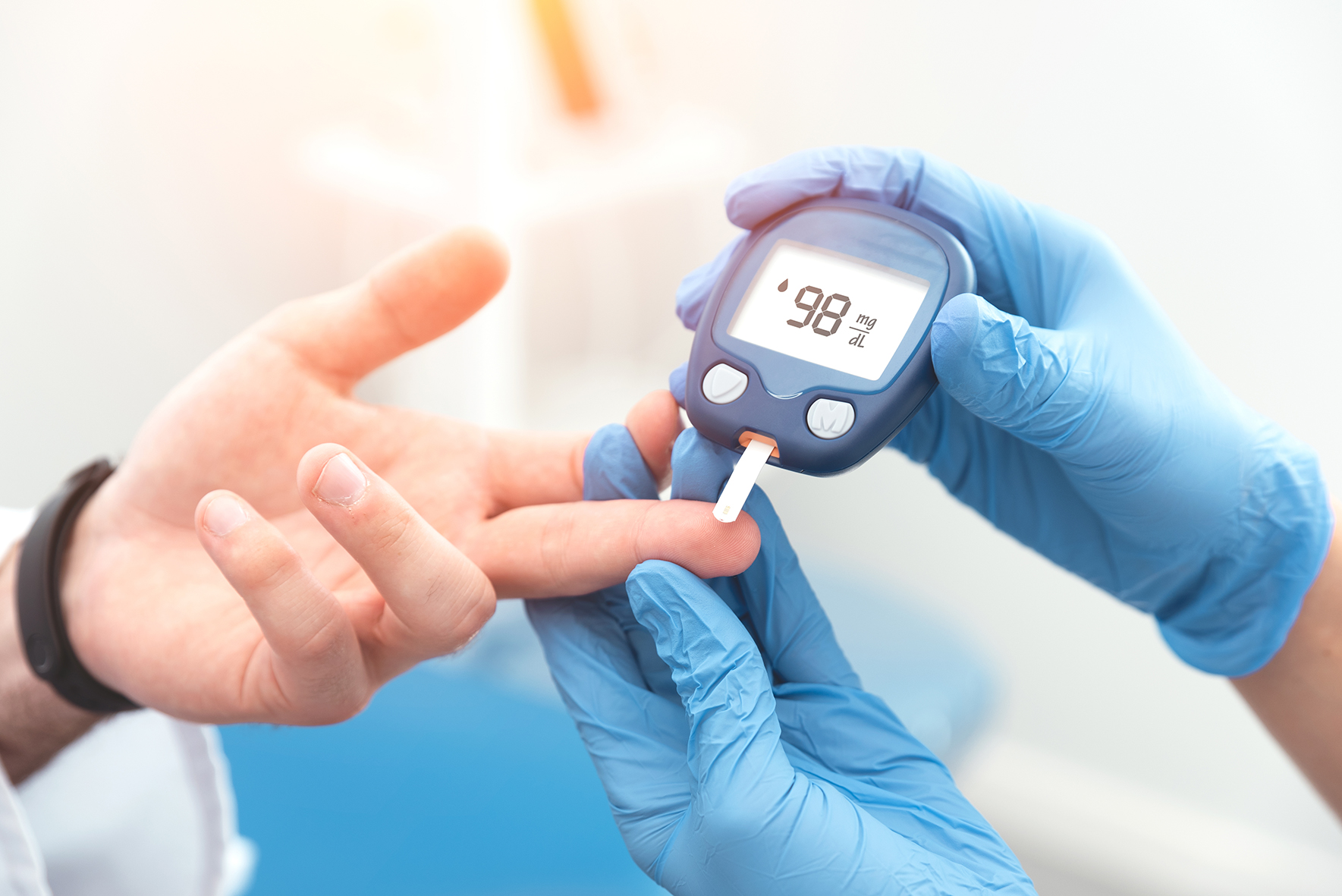
Most women with gestational diabetes don’t have any symptoms. The condition is often detected during a routine blood sugar test or oral glucose tolerance test that is usually performed between the 24th and 28th weeks of gestation. In rare cases, a woman with gestational diabetes will also experience increased thirst or urination.
Remember
Diabetes symptoms can be so mild that they’re hard to spot at first.
Causes of Gestational diabetes
Gestational diabetes is the result of hormonal changes during pregnancy. The placenta produces hormones that make a pregnant woman’s cells less sensitive to the effects of insulin. This can cause high blood sugar during pregnancy. Women who are overweight when they get pregnant or who gain too much weight during their pregnancy are more likely to get gestational diabetes.
Remember
Both genes and environmental factors play a role in triggering diabetes.
Gestational Diabetes risk factors
Certain factors increase your risk for diabetes.
Your risk for gestational diabetes increases if you:
- are overweight
- are over age 25
- had gestational diabetes during a past pregnancy
- have given birth to a baby weighing more than 9 pounds
- have a family history of type 2 diabetes
- have polycystic ovary syndrome (PCOS)
Remember
Your family, environment, and preexisting medical conditions can all affect your odds of developing diabetes.
Diabetes Complications
High blood sugar damages organs and tissues throughout your body. The higher your blood sugar is, and the longer you live with it, the greater your risk for complications..
Complications associated with diabetes include:
- heart disease, heart attack, and stroke
- neuropathy
- nephropathy
- retinopathy and vision loss
- hearing loss
- foot damage such as infections and sores that don’t heal
- skin conditions such as bacterial and fungal infections
- depression
- dementia
Gestational diabetes
Uncontrolled gestational diabetes can lead to problems that affect both the mother and baby. Complications affecting the baby can include:
- premature birth
- higher-than-normal weight at birth
- increased risk for type 2 diabetes later in life
- low blood sugar
- jaundice
- stillbirth
The mother can develop complications such as high blood pressure (preeclampsia) or type 2 diabetes. She may also require cesarean delivery, commonly referred to as a C-section.
The mother’s risk of gestational diabetes in future pregnancies also increases.
Gestational diabetes
- You’ll need to monitor your blood sugar level several times a day during pregnancy. If it’s high, dietary changes and exercise may or may not be enough to bring it down.
- According to the Mayo Clinic, about 10 to 20 percent of women with gestational diabetes will need insulin to lower their blood sugar. Insulin is safe for the growing baby
- Eating a well-balanced diet is important for both you and your baby during these nine months. Making the right food choices can also help you avoid diabetes medications.
- Eating a well-balanced diet is important for both you and your baby during these nine months. Making the right food choices can also help you avoid diabetes medications.
- Consider making an eating plan with the help of a dietitian or nutritionist. They’ll ensure that your diet has the right mix of macronutrients. Go here for other do’s and don’ts for healthy eating with gestational diabetes.
Diabetes diagnosis
Anyone who has symptoms of diabetes or is at risk for the disease should be tested. Women are routinely tested for gestational diabetes during their second or third trimesters of pregnancy.
Doctors use these blood tests to diagnose prediabetes and diabetes:
- The fasting plasma glucose (FPG) test measures your blood sugar after you’ve fasted for 8 hours.
- The A1C test provides a snapshot of your blood sugar levels over the previous 3 months.
To diagnose gestational diabetes, your doctor will test your blood sugar levels between the 24th and 28th weeks of your pregnancy.
- During the glucose challenge test, your blood sugar is checked an hour after you drink a sugary liquid.
- During the 3 hour glucose tolerance test, your blood sugar is checked after you fast overnight and then drink a sugary liquid.
The earlier you get diagnosed with diabetes, the sooner you can start treatment.
Diabetes in pregnancy
Women who have never had diabetes can suddenly develop gestational diabetes in pregnancy. Hormones produced by the placenta can make your body more resistant to the effects of insulin.
Some women who had diabetes before they conceived carry it with them into pregnancy. This is called pre-gestational diabetes.
Gestational diabetes should go away after you deliver, but it does significantly increase your risk for getting diabetes later.
About half of women with gestational diabetes will develop type 2 diabetes within 5 to 10 years of delivery, according to the International Diabetes Federation (IDF).
Having diabetes during your pregnancy can also lead to complications for your newborn, such as jaundice or breathing problems.
If you’re diagnosed with pre-gestational or gestational diabetes, you’ll need special monitoring to prevent complications.
Disclaimer
HealthMattersLive.com is for informative purposes only and not a substitute for professional in person expertise.
We advise that anyone having concerns about their health issues should consult their doctor asap.