


How it works
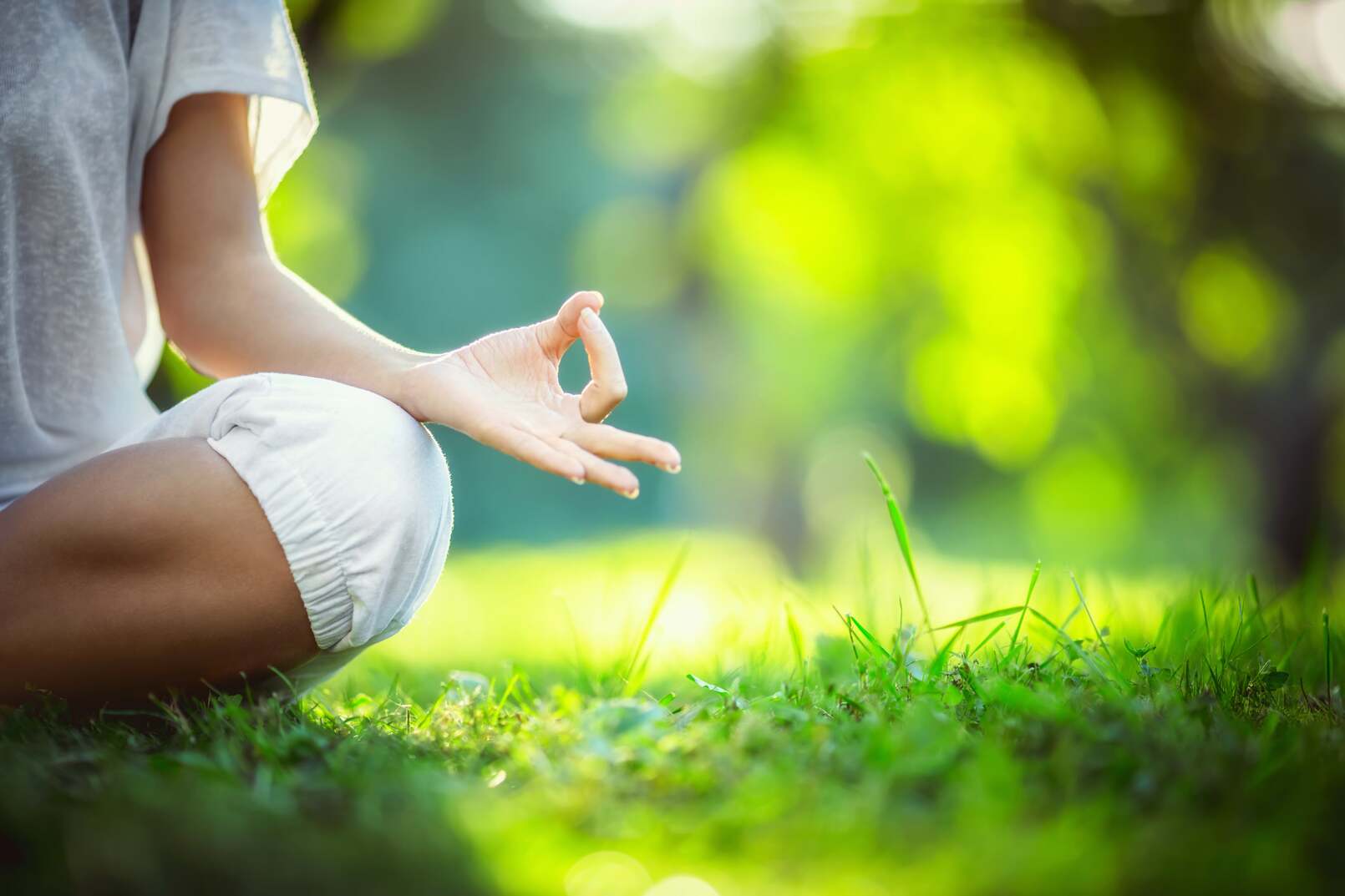
No other exercise program is as enduring as yoga, which has been around for more than 5,000 years.
Yoga does more than burn calories and tone muscles. It’s a total mind-body workout that combines strengthening and stretching poses with deep breathing and meditation or relaxation.
There are more than 100 different forms of yoga. Some are fast-paced and intense. Others are gentle and relaxing.

Examples of different yoga forms include:
Hatha
The form most often associated with yoga, it combines a series of basic movements with breathing.
Power
A faster, higher-intensity practice that builds muscle.
Bikram
Also known as "hot yoga," it's a series of 26 challenging poses performed in a room heated to a high temperature.
Vinyasa
A series of poses that flow smoothly into one another.
Ashtanga
A series of poses, combined with a special breathing technique.
Iyengar
A type of yoga that uses props like blocks, straps, and chairs to help you move your body into the proper alignment.
Intensity Levels Varies with Type
The intensity of your yoga workout depends on which form of yoga you choose. Techniques like hatha and iyengar yoga are gentle and slow. Bikram and power yoga are faster and more challenging.
Areas Targeted by Yoga
Legs
Yes. Yoga poses work all sides of the legs, including your quadriceps, hips, and thighs.
Core
Yes. There are yoga poses to target just about every core muscle. Want to tighten those love handles? Then prop yourself up on one arm and do a side plank. To really burn out the middle of your abs, you can do a boat pose, in which you balance on your "sit bones" (the bony prominences at the base of your pelvic bones) and hold your legs up in the air.
Glutes
Yes. Yoga squats, bridges, and warrior poses involve deep knee bends, which give you a more sculpted rear.
Arms
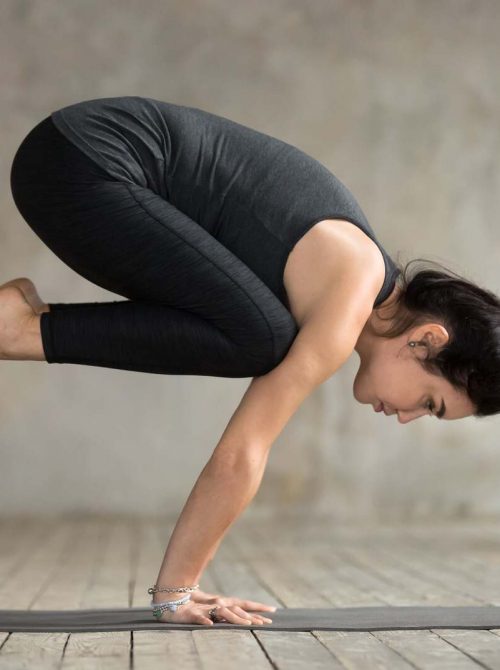
Yes. With yoga, you don't build arm strength with free weights or machines, but with the weight of your own body. Some poses, like the plank, spread your weight equally between your arms and legs. Others, like the crane and crow poses, challenge your arms even more by making them support your full body weight.
Back
Yes. Moves like downward-facing dog, child's pose, and cat/cow give your back muscles a good stretch. It's no wonder that research finds yoga may be good for relieving a sore back.
Benefits of Yoga
Yoga increases flexibility and balance
In yoga, moving your body into various poses helps improve both flexibility and balance.
Yoga builds strength
Yoga builds muscle strength by using body weight as a form of resistance.
Yoga improves heart health
Yoga isn't generally considered a cardio workout, because it does not get your heart pumping as hard as running does, for example. However, it does still work your cardiovascular system and helps keep your heart healthy.
Yoga can ease back pain
Yoga helps improve posture and relieve back pain because it improves your muscles' flexibility and endurance, as well as your mobility. Many yoga poses engage your back muscles, as well as other muscles — like your core — that connect to your back muscles.
Yoga can improve arthritis symptoms
Some people with arthritis may need to avoid high-impact exercise because of the stress it causes on their joints. However, yoga may be a better workout because you use only your body weight, and you can go at your own pace, Jens says. Check with your doctor before beginning any exercise regimen.
Yoga can help you lose weight
Generally, yoga does not burn the same amount of calories that cardio does. Power yoga: will burn 284 Calories . Hatha yoga: 173 calories
Yoga reduces stress and improves well-being
Yoga reduces stress by incorporating various breathing techniques. Some varieties of yoga incorporate meditation. Yoga's focus on the mind-body connection lets you compartmentalize some stressors, push them off to the side, and really let your mind 'breathe' for a moment by allowing room for you to feel more positive about your day, more energetic, and more apt to want to go out and be productive.
What else should I know?
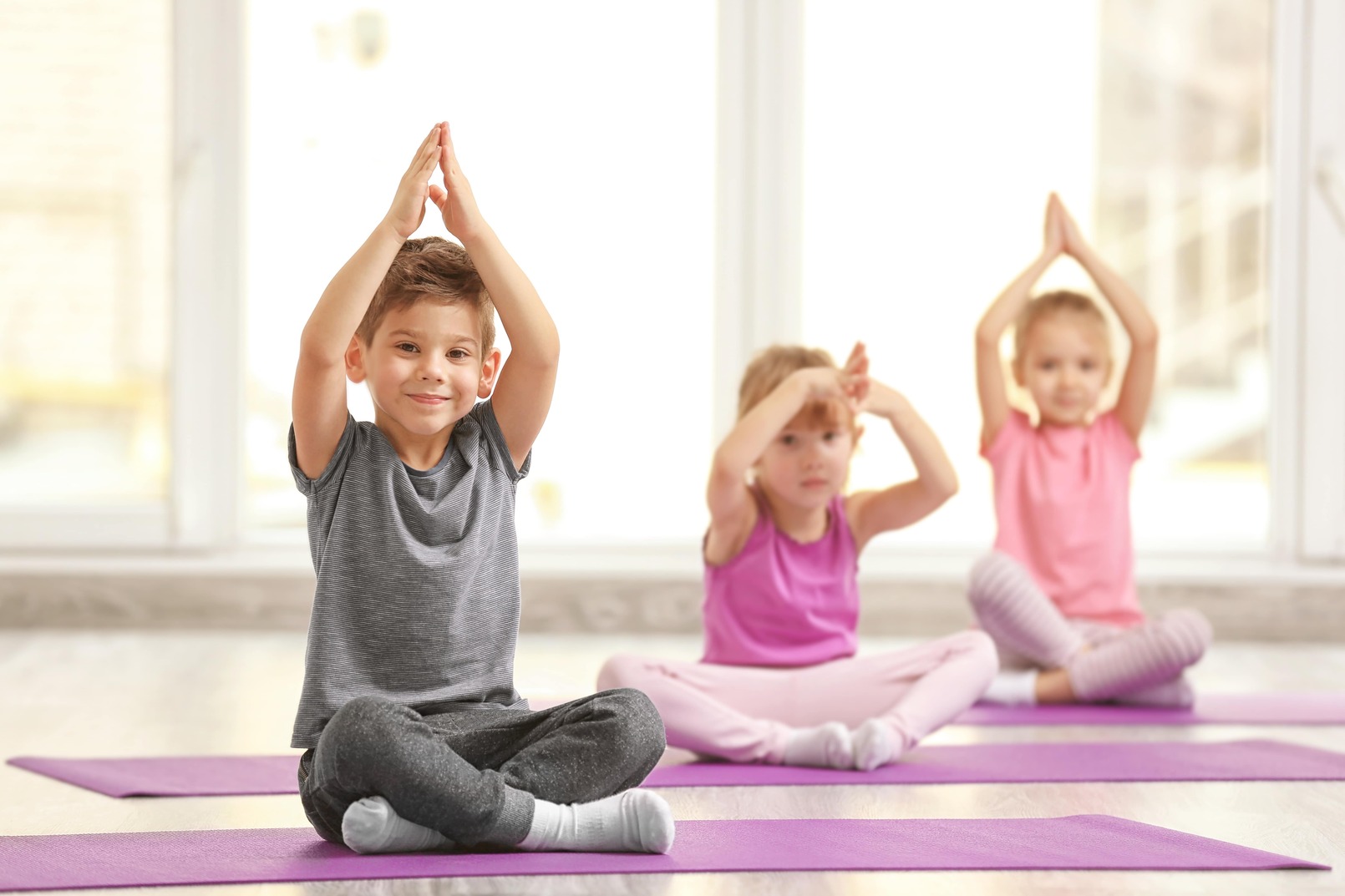
People of all ages and fitness levels can do the most basic yoga poses and stretches.
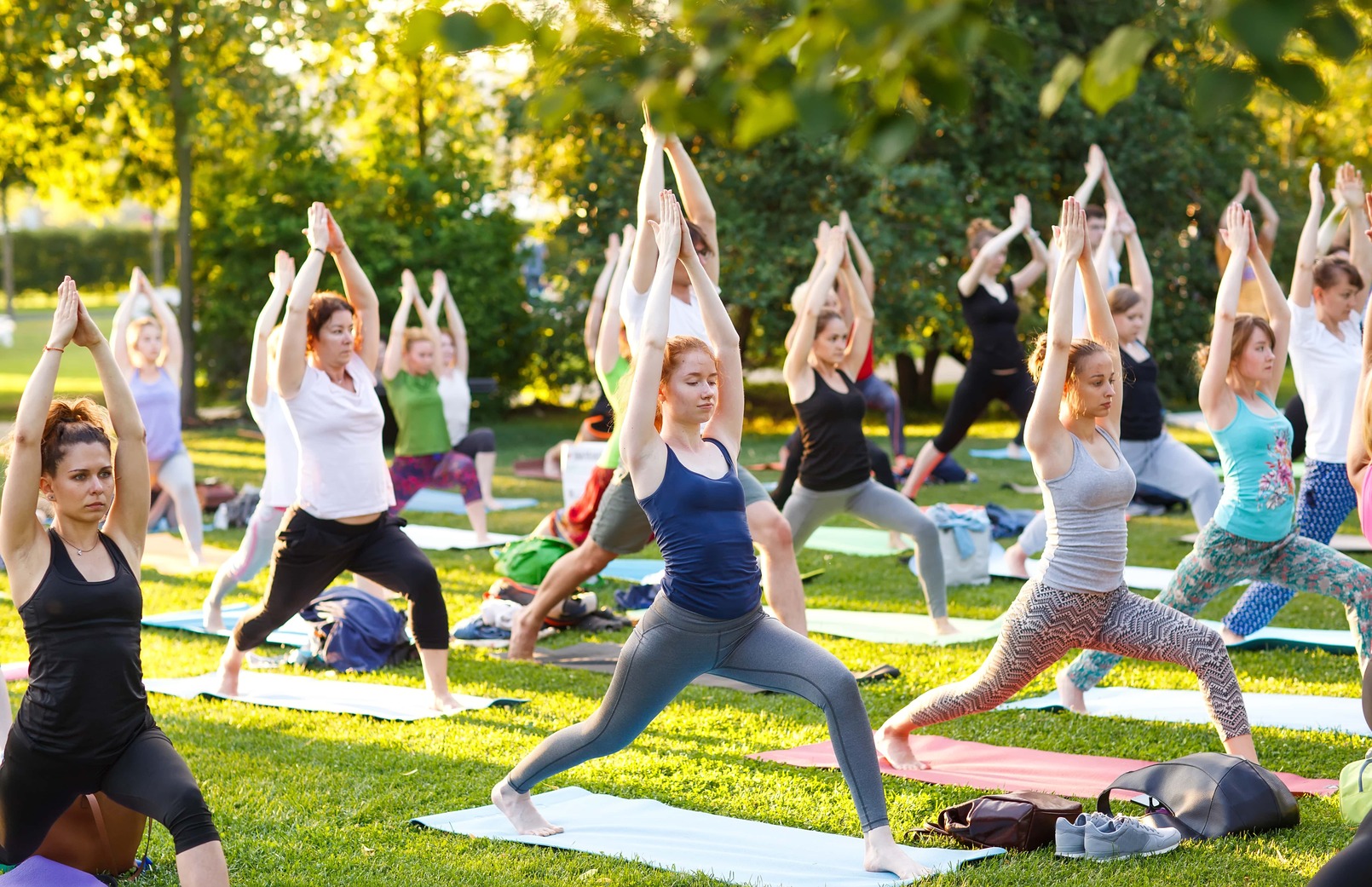
You can do yoga anywhere, indoors or out. All you need is enough space for your yoga mat. Other, optional equipment includes a yoga ball for balance, a yoga block or two, and straps to help you reach for your feet or link your hands behind your back.
Chances are, there’s a type of yoga that suits your needs and fitness level. It’s a great choice if you want a holistic approach to mind and body strength.
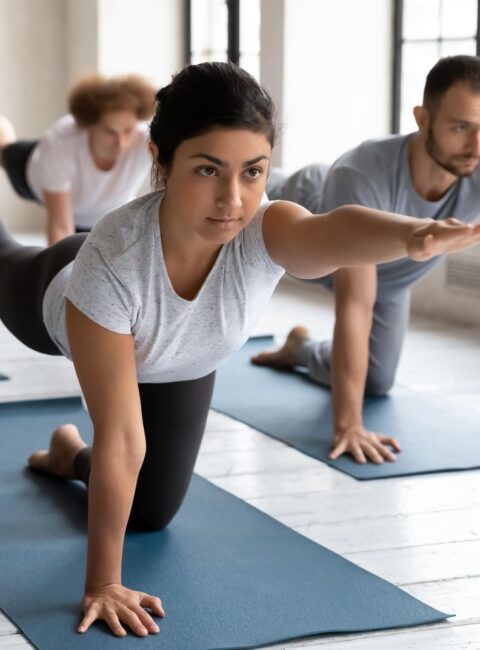
If you’re pregnant, yoga can help keep you relaxed, strong, and in shape. If you’re new to yoga or have any health or pregnancy related problems, talk to your doctor before you give it a try. Look for an instructor who’s experienced in teaching prenatal yoga.
You’ll need to make some adjustments as your baby and belly grow and your center of gravity shifts. After your first trimester, don’t do any poses that have you lying on your back. And don’t try to stretch any further than you did before pregnancy. Your pregnancy hormones will loosen up your joints and make you more likely to get injured.
While you’re pregnant, avoid postures that put pressure on your belly or low back. Don’t do “hot” yoga, where the room temperature is very high.
Disclaimer
HealthMattersLive.com is for informative purposes only and not a substitute for professional in person expertise.
We advise that anyone having concerns about their health issues should consult their doctor asap.