

What is Biotin?
Biotin (vitamin B7) is an important part of enzymes in the body that break down substances like fats, carbohydrates, and others.
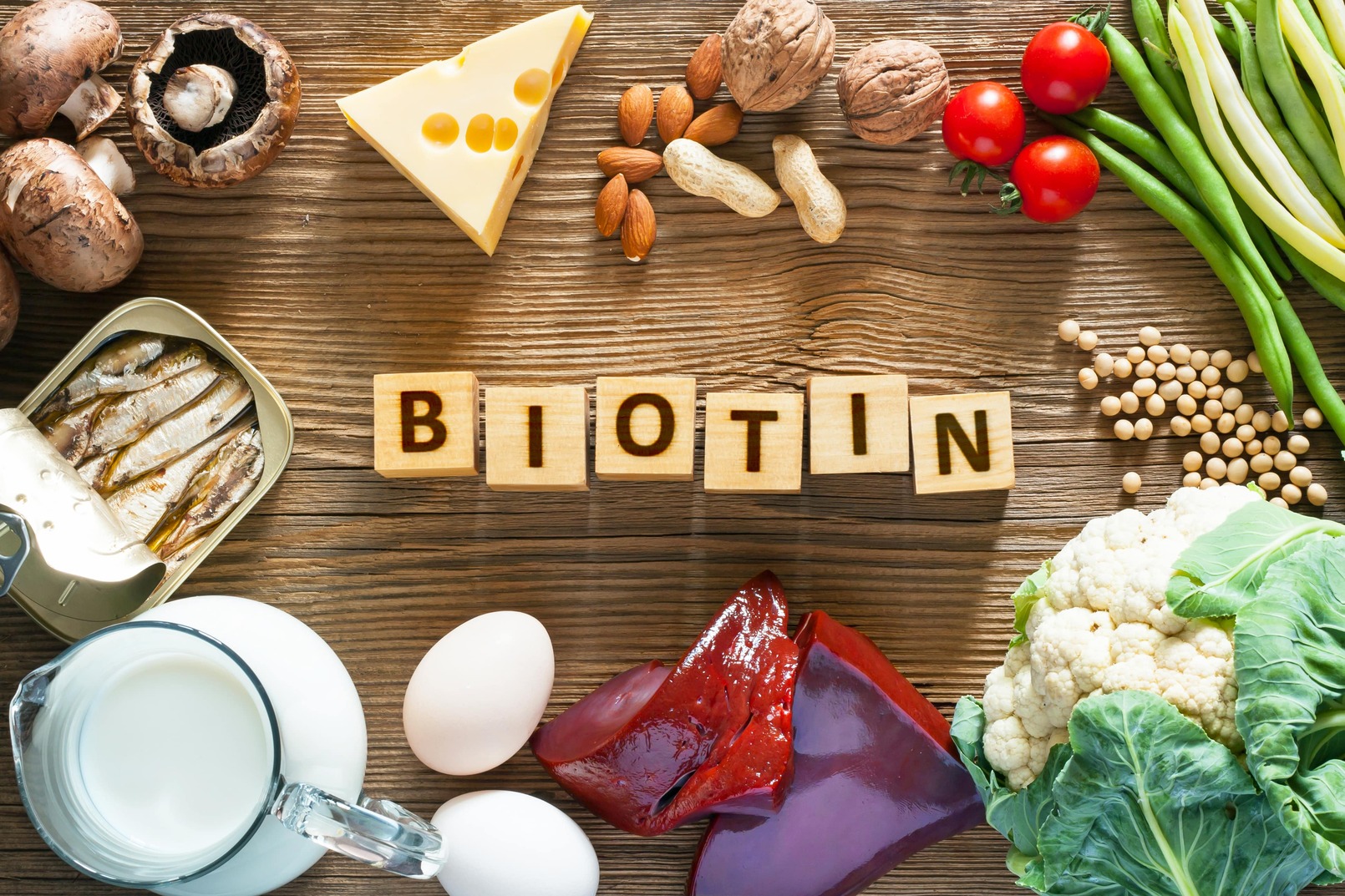
Food that contains biotin include bananas, milk, and eggs. Low biotin levels can’t be detected with a reliable test, therefore they are typically determined by their symptoms, which include thinning hair and a red, scaly rash around the eyes, nose, and mouth.
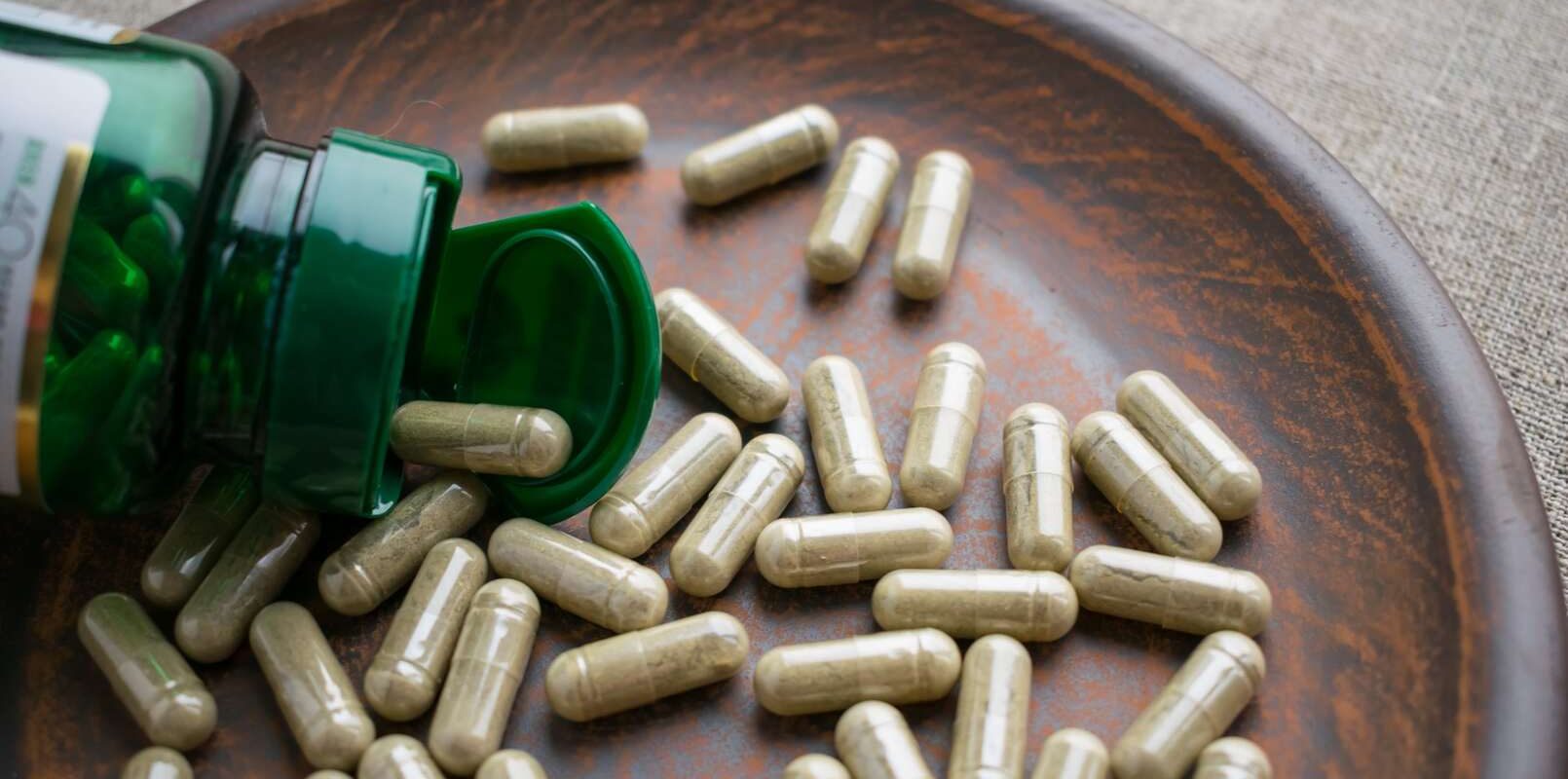
Biotin supplements are used to treat biotin deficiency. It is also frequently used to treat other diseases including brittle nails and hair loss, although there isn’t any solid scientific proof to back these uses. Biotin supplements might interfere with some lab tests. If you need any blood tests and are taking biotin supplements contact your doctor.
Biotin Supplements are Likely Effective for
Biotin deficiency – Taking biotin by mouth or by a shot can treat and prevent low blood levels of biotin. Up to 10 mg of biotin by mouth, daily has been used to treat and prevent deficiency. A biotin shot can only be given by a healthcare provider.
Biotin Supplements are Possibly Ineffective for
- Taking high-dose biotin by mouth does not reduce disability in people with Multiple sclerosis (MS). It also doesn’t seem to affect the risk for relapse.
- Taking biotin does not seem to help improve rash in infants and people who suffer from rough, scaly skin on the scalp and face (seborrheic dermatitis).
There is interest in using biotin for a number of other purposes, however, there isn’t enough reliable information to say whether it might be helpful.
Biotin Dosage Levels
When taken by mouth
Biotin is likely safe for most people when taken in doses up to 300 mg daily for up to 6 months. But it is more commonly used in lower doses of 2.5 mg daily.
When applied to the skin
Biotin is probably safe for most people when applied in cosmetic products that contain up to 0.6% biotin.
Small amounts of biotin are found in foods such as eggs, milk, and bananas. It’s recommended that adults consume 30 mcg daily. The same amount should be consumed during pregnancy. When breast-feeding, 35 mcg should be consumed daily. Recommended amounts for children depend on age. Speak with a healthcare provider to find out what dose might be best for a specific condition.

Be Aware and Precautions
Biotinidase deficiency
An inherited condition in which the body cannot process biotin, people with this condition might have low levels of biotin and may need a biotin supplement.
Pregnancy and breast-feeding
Biotin is fairly safe when used at the prescribed doses during pregnancy and breast-feeding.
Kidney dialysis
People receiving kidney dialysis might have low levels of biotin and may need a biotin supplement.
Smoking
People who smoke might have low biotin levels and may need a biotin supplement.
Children
Biotin is likely safe when taken by mouth. It's been used safely in doses of 5-25 mcg daily.
Laboratory tests
Taking biotin supplements might interfere with the results of many different blood lab tests. Biotin can cause falsely high or falsely low test results. This might lead to missed or incorrect diagnoses. Tell your doctor if you are taking biotin supplements, especially if you are having lab tests done. You may need to stop taking biotin before your blood test. Most multivitamins contain low doses of biotin, which are unlikely to interfere with blood tests. But talk to your doctor to be sure.
Disclaimer
HealthMattersLive.com is for informative purposes only and not a substitute for professional in person expertise.
We advise that anyone having concerns about their health issues should consult their doctor asap.