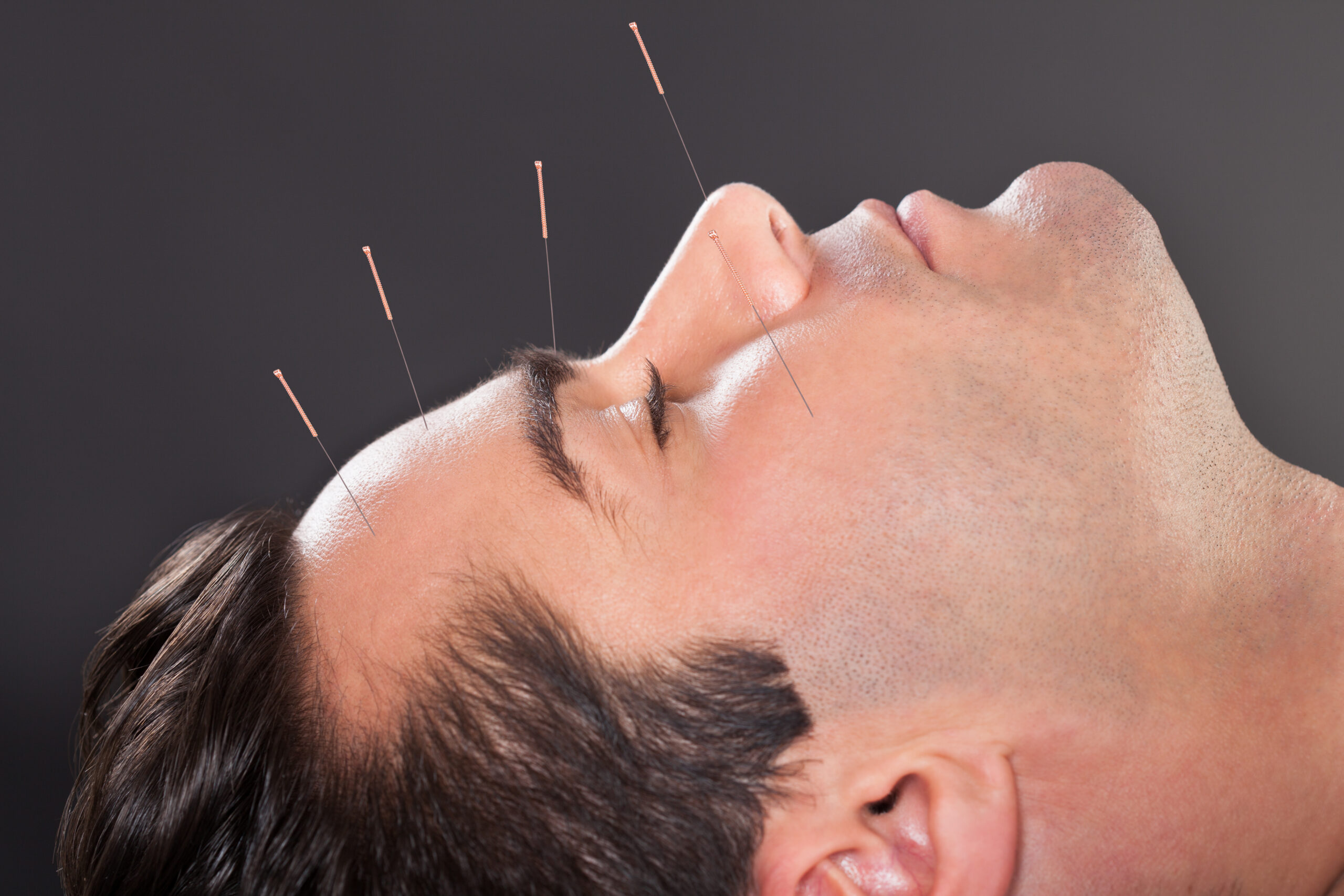

Traditional Chinese medicine explains acupuncture as a technique for balancing the flow of energy or life force — known as chi or qi (chee) — believed to flow through pathways (meridians) in your body. By inserting needles into specific points along these meridians, acupuncture practitioners believe that your energy flow will re-balance.

A key component of traditional Chinese medicine, acupuncture is most commonly used to treat pain. Increasingly, it is being used for overall wellness, including stress management.

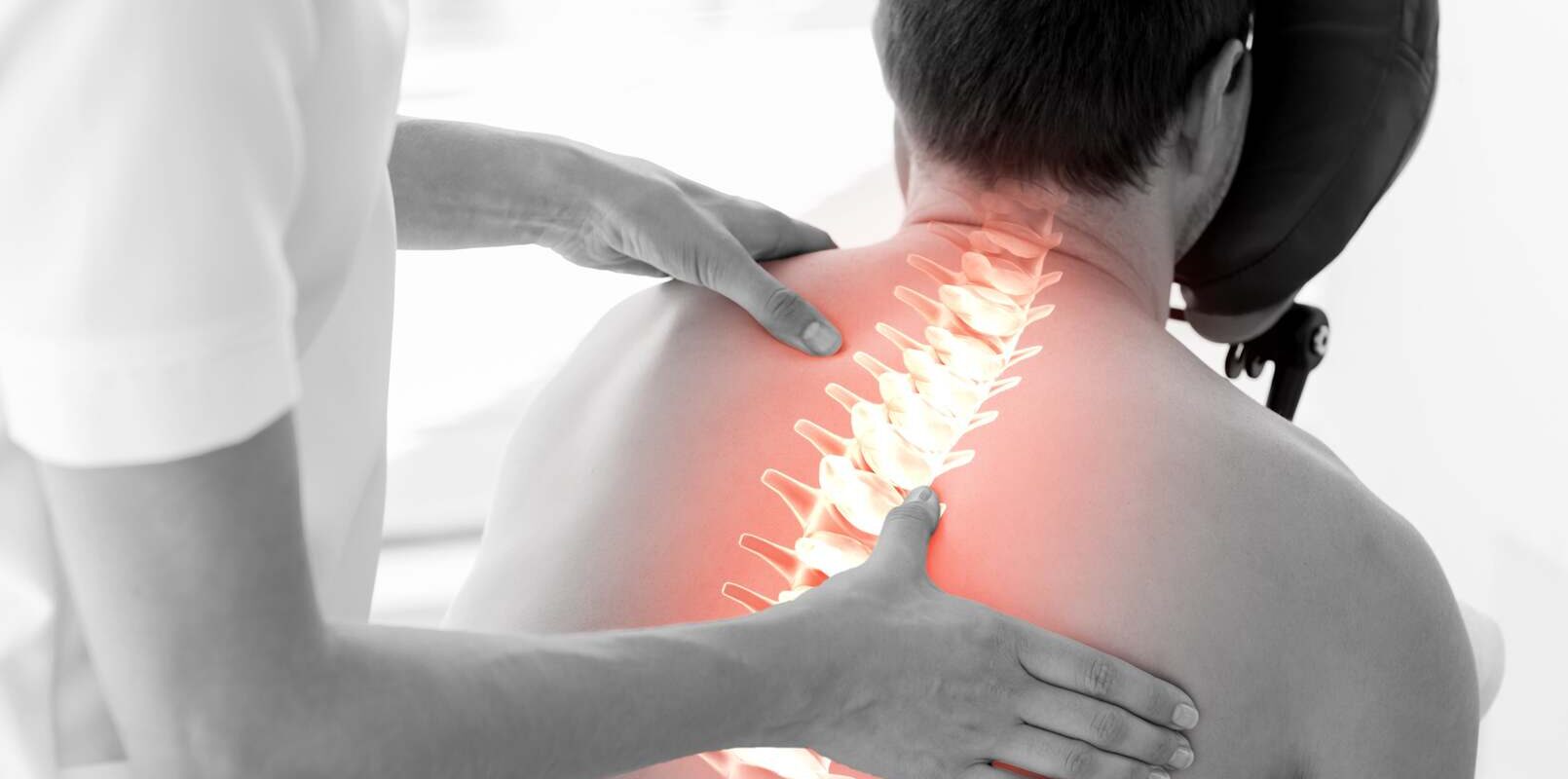
In contrast, many Western practitioners view the acupuncture points as places to stimulate nerves, muscles and connective tissue. Some believe that this stimulation boosts your body's natural painkillers.

What is it used to Treat?

Acupuncture is used mainly to relieve discomfort associated with a variety of diseases and conditions, including:

Risk

The risks of acupuncture are low if you have a competent, certified acupuncture practitioner using sterile needles. Common side effects include soreness and minor bleeding or bruising where the needles were inserted. Single-use, disposable needles are now the practice standard, so the risk of infection is minimal.
Not everyone is a good candidate for acupuncture.


Before having acupuncture treatment, be sure to tell the practitioner if you:

Have a bleeding disorder

 Your chances of bleeding or bruising from the needles may be increased if you have a bleeding disorder or if you're taking blood thinners.

Have a pacemaker

 Acupuncture that involves applying mild electrical pulses to the needles may potentially interfere with a pacemaker's operation.

Are pregnant

Some acupuncture points are thought to stimulate labor, which could result in a premature delivery.

How to Prepare?

No special preparation is required before acupuncture treatment.

Choosing a Practitioner

If you're considering acupuncture, take the same steps you would to choose a doctor:

Tell your doctor that you're considering acupuncture. He or she may be able to tell you about the success rate of using acupuncture for your condition or recommend an acupuncture practitioner.

Acupuncture Treatment

During an acupuncture treatment, your acupuncturist inserts very thin needles into specific spots on your body. Insertion of the needles usually causes little discomfort. Each person who performs acupuncture has a unique style, often blending aspects of Eastern and Western approaches to medicine. To determine the type of acupuncture treatment that will help you the most, your practitioner may ask you about your symptoms, behaviors and lifestyle. He or she may also closely examine:

An acupuncture session may take up to 60 minutes, although some appointments may be much shorter. A common treatment plan for a single complaint would typically involve one or two treatments a week. The number of treatments will depend on the condition being treated and its severity. In general, it's common to receive 6 to 8 treatments.

During the Procedure

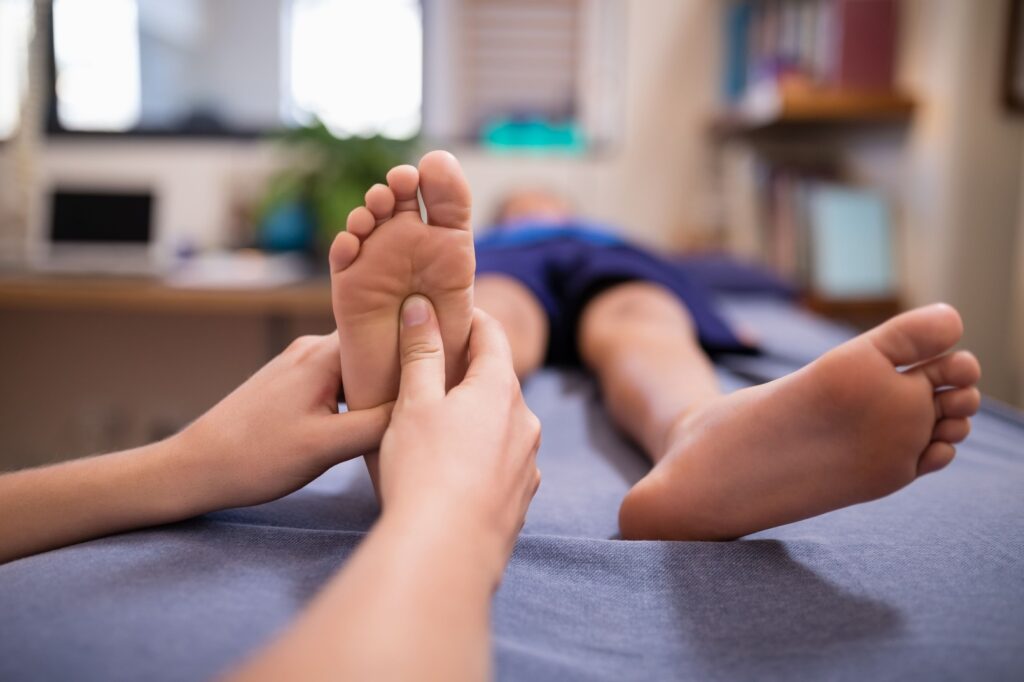
Acupuncture points are situated in all areas of the body. Sometimes the appropriate points are far removed from the area of your pain. Your acupuncture practitioner will tell you the general site of the planned treatment and whether you need to remove any clothing. A gown, towel or sheet will be provided. You lie on a padded table for the treatment, which involves:

Needle insertion

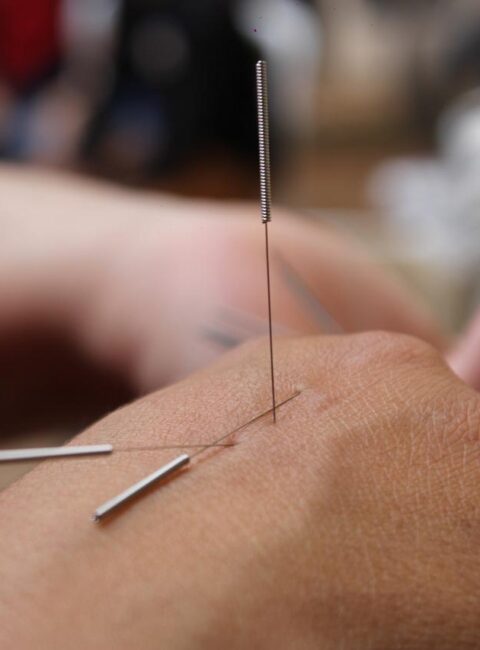
Acupuncture needles are inserted to various depths at strategic points on your body. The needles are very thin, so insertion usually causes little discomfort. People often don't feel them inserted at all. A typical treatment uses 5 to 20 needles. You may feel a mild aching sensation when a needle reaches the correct depth.

Needle manipulation

Your practitioner may gently move or twirl the needles after placement or apply heat or mild electrical pulses to the needles.

Needle removal

 In most cases, the needles remain in place for 10 to 15 minutes while you lie still and relax. There is usually no discomfort when the needles are removed.

acupuncture, needles, hand-6324472.jpg

After the Procedure

Some people feel relaxed and others feel energized after an acupuncture treatment. But not everyone responds to acupuncture. If your symptoms don't begin to improve within a few weeks, acupuncture may not be right for you.

Results

The benefits of acupuncture are sometimes difficult to measure, but many people find it helpful as a means to control a variety of painful conditions.

Several studies, however, indicate that some types of simulated acupuncture appear to work just as well as real acupuncture. There's also evidence that acupuncture works best in people who expect it to work.

Acupuncture has few side effects, so it may be worth a try if you're having trouble controlling pain with more-conventional methods.

Disclaimer

BahrainHealthMatters.com is for informative purposes only and not a substitute for professional in person expertise.
We advise that anyone having concerns about their health issues should consult their doctor asap.

Leave a Comment

Want to support the Health Matters Expo

Corporate Office

Feature Posts

Newsletter