

What is Anxiety
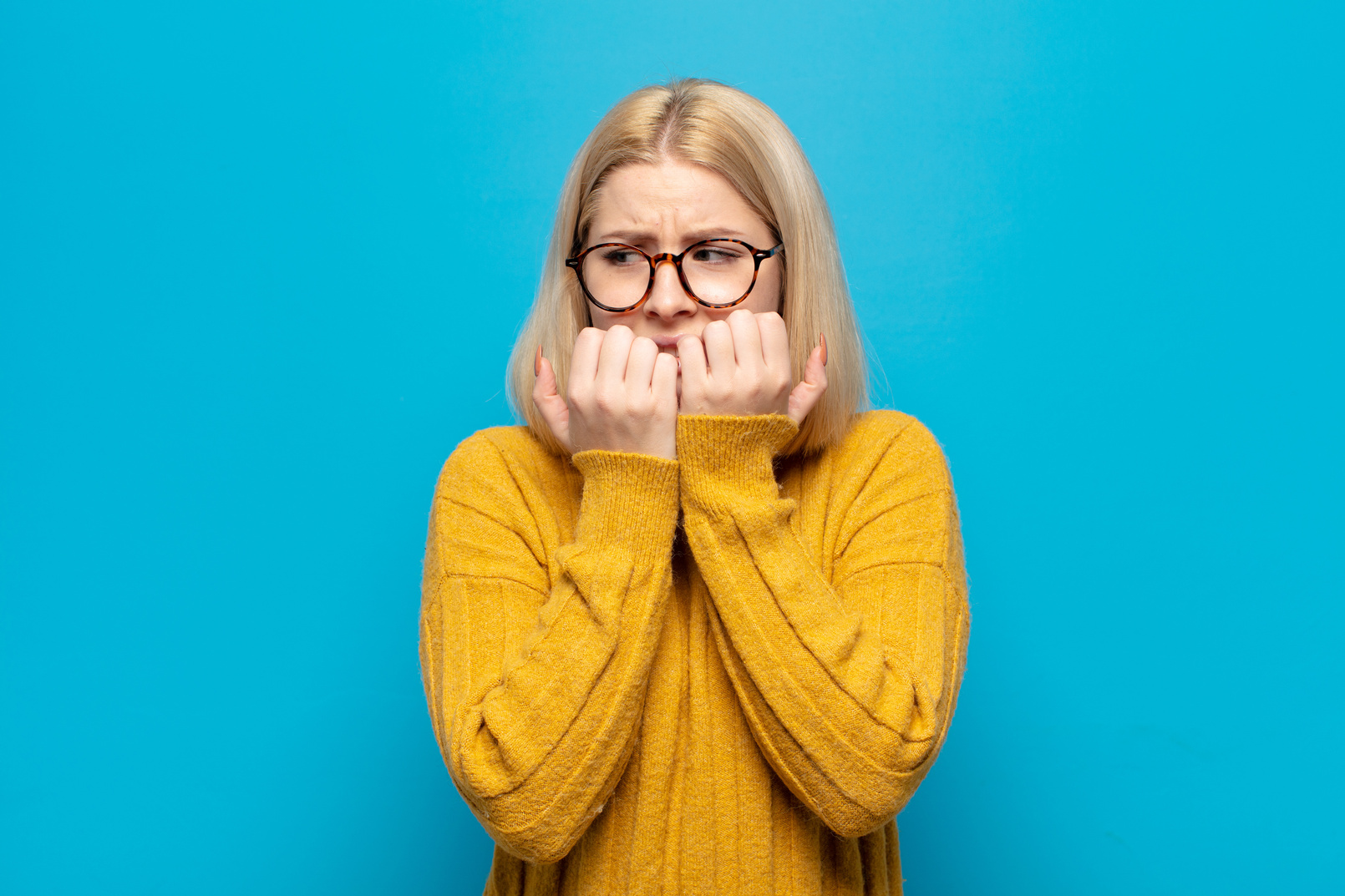
Anxiety is a common feeling. It’s how your brain responds to stress and warns you of impending danger. Everybody has occasional anxiety. When faced with a challenge at work, before a test, or before making a crucial choice, for instance, you could worry.
Periodic anxiety is OK, which some will say is normal.
Anxiety disorders, however, are not. They are a set of mental conditions that produce unrelenting, intense worry and terror. You may avoid activities such as work, school, family gatherings, and other social events because of your extreme anxiety since they might exacerbate your symptoms.
Many persons suffering with anxiety problems can control their emotions with treatment.
Anxiety Disorder Types
Anxiety disorders come in a variety of forms:
- General anxiety:
- You experience excess, disordered generalized anxiety. You experience excessive, unjustified anxiety and concern for little to no cause.
- Social anxiety:
- This condition, also known as social phobia, occurs when you have excruciating concern and self-consciousness in typical social settings. You constantly fear that people will judge you, find you embarrassing, or make fun of you.
- Certain phobias: You have severe dread of certain things or circumstances, like heights or flying. The dread is excessive and could make you avoid commonplace situations.
- Agoraphobia:
- Your dread of being somewhere where it would be difficult to flee or find aid in case of an emergency is quite strong. For instance, you could have anxiety while flying, using public transit, or waiting in a long queue.
- Separation anxiety:
- Separation anxiety disorder can affect anyone and can cause them to experience intense anxiety or terror whenever someone close to them leaves their sight. They may also always fear that a loved one may suffer a poor outcome.
- Selective mutism:
- This is a form of social anxiety in which young children who regularly converse with their family avoid speaking in front of others, such as at school.
- Medication-induced anxiety:
- Some symptoms of anxiety disorders can be brought on by the use of specific prescription medications, illicit substances, or the withdrawal from specific drugs.
Symptoms of Anxiety Disorders
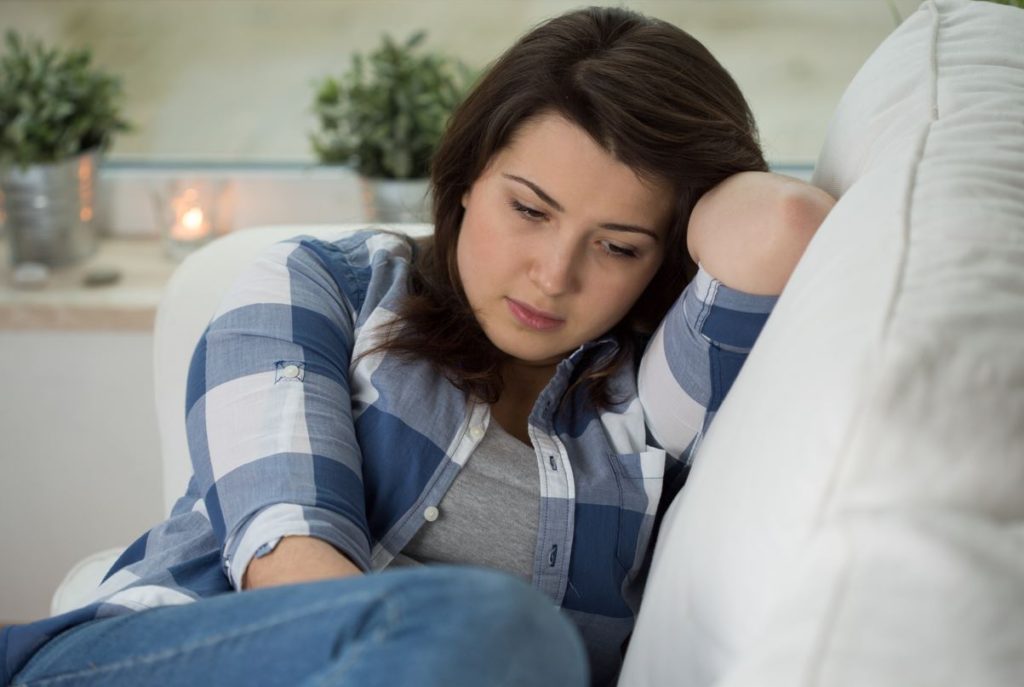
Anxiety disorders are characterized by an overabundance of dread or worry. It might be challenging to breathe, sleep, keep still, and focus when you have an anxiety problem. Depending on the type of anxiety illness you have, you may experience certain symptoms.
The following are typical signs and symptoms:
- Anxiety, worry, and unease
- Feelings of doom or danger
- Difficulty sleeping
- Inability to remain quiet and motionless
- Cold, sweaty, numb, or tingling hands or feet
- Shortness of breath
- Faster-than-normal breathing (hyperventilation)
- Heart palpitations
- Dry mouth
- Nausea
- Tense muscles
- Dizziness
- Rumination
- Inability to focus
- Prolonged or compulsive avoidance of feared objects or locations
If you are experiencing any of the above symptoms you must see a professional as soon as possible. There are several ways to manage and lessen the effects of an anxiety condition. People with anxiety disorders can be prescribed medication and can attend counseling.

Causes of Anxiety Disorders
The specific cause of anxiety disorders is unknown to researchers. Who suffers from anxiety and who does not is determined by a complicated web of factors.
- Genetics: This is one of the reasons for anxiety disorders. Disorders of anxiety can run in families.
- Brain chemistry: According to several studies, dysfunctional brain circuits that regulate emotions and fear may be responsible for anxiety disorders.
- Environment-related stress: This is a reference to tense situations you have witnessed or experienced. Childhood abuse and neglect, the loss of a loved one, being attacked or seeing violence and these types of life experiences are frequently associated with anxiety disorders.
- Misuse or withdrawal from drugs: Some anxiety symptoms may be concealed or reduced with specific medications. Alcohol and drug abuse go hand in hand with anxiety disorders.
- Other diseases: Some heart, lung and thyroid diseases can exacerbate or induce symptoms that are similar to those of anxiety disorders. When discussing anxiety with your doctor, it’s crucial to undergo a thorough physical examination to rule out any medical disorders.
What puts you at risk?
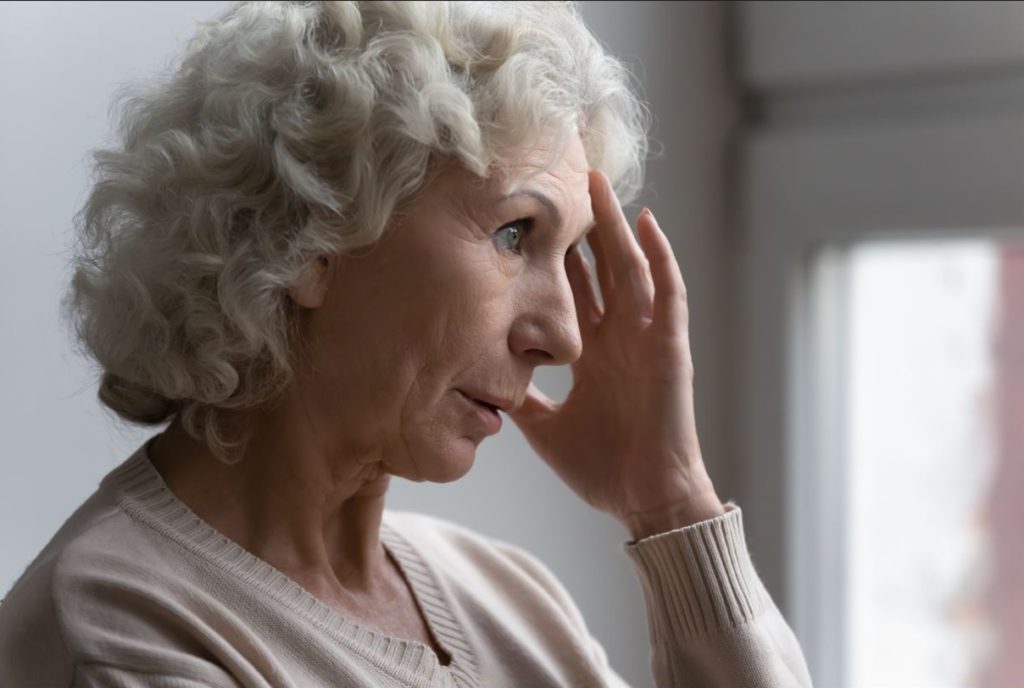
Several factors also increase your risk of anxiety disorders. You can alter certain risk factors, but not others.
- A history of mental health issues: Your chance of developing an anxiety disorder is increased if you also have a mental health condition like depression.
- A Victim of Sexual assault as a child: Childhood sexual, emotional, or physical abuse or neglect has been related to anxiety disorders in later life as adults.
- Trauma: A stressful experience raises the likelihood of developing posttraumatic stress disorder (PTSD) and can result in panic episodes.
- Adverse life experiences: Your chance of developing an anxiety disorder is increased by stressful or unfavorable life circumstances, such as losing a parent when you were young.
- A serious sickness or ongoing medical problem:You may experience overwhelming stress and anxiety if you are constantly concerned about your health, the health of a loved one, or the needs of a sick person.
- Substance Abuse: Alcohol and illicit drug usage increase your risk of developing an anxiety condition. Additionally, some people utilize these drugs to mask or lessen symptoms of anxiety.
- Low self-esteem:A social anxiety disorder may be brought on by negative self-perception.

Additional tips for anxiety management
You might use the following advice to manage or minimize your symptoms:
- Get to know your condition:
- The more information you have, the better equipped you’ll be to deal with symptoms and obstacles along the path. Ask your doctor any questions you may have without hesitation. Keep in mind that you play a vital role in your healthcare team.
- Adhere to your treatment schedule:
- Stopping your medication abruptly might have unpleasant side effects and even make you feel anxious.
- Reduce your caffeine intake:
- Caffeinated foods and beverages such as coffee, tea, cola, energy drinks, and chocolate may exacerbate the signs and symptoms of anxiety disorders. Caffeine is a stimulant that alters mood.
- Abstain from alcohol and recreational drugs:Drug and Alcohol dependency raises your chance of developing anxiety problems.
- Exercise: Vigorously aerobic Exercises, like running and bicycling, help the brain release hormones that reduce stress and elevate mood. You can also try dance or yoga.
- Improve your sleep: Anxiety disorders and sleep issues frequently coexist. Prioritize getting enough rest. Establish a nighttime routine.
- Write in a journal: Before the day is through, try to relax by writing down your thoughts so that you won’t spend the entire night tossing and turning with worry.
- Control your negative thoughts: Although it might be hard, actively think happy thoughts. You may learn how to reframe your thinking via cognitive behavioral therapy.
- Meet up with your support system: Social interactions, whether in person, over the phone, or online, support people in thriving and maintaining their health. Social anxiety is less common in those who have a tight circle of friends who encourage them and engage in conversation.
- Acknowledge your condition and seek help: For some people, conversing with others who are going through the same thing is enlightening and beneficial. Speaking with others who are going through the same things can be motivating and useful for some people. Self-help or support groups provide you the opportunity to discuss your issues and accomplishments with people who understand.

Before using any over-the-counter medications or herbal supplements, consult your doctor or pharmacist. Many include substances that might exacerbate the feelings of anxiety.
Having an anxiety condition is difficult and distressing. You can feel worn out and afraid due to your ongoing anxiety and panic. You’ve already taken the first step in managing your anxiety if you’ve discussed your symptoms with a doctor.
Finding the best therapy for you might take time. You may require a variety of treatments if you have many anxiety disorders. The best treatment for the majority of anxiety disorder patients is a combination of medication and therapy. You can learn how to control your symptoms and live a good life if you receive the right care and therapy. Get help.
Disclaimer
BahrainHealthMatters.com is for informative purposes only and not a substitute for professional in person expertise.
We advise that anyone having concerns about their health issues should consult their doctor asap.