

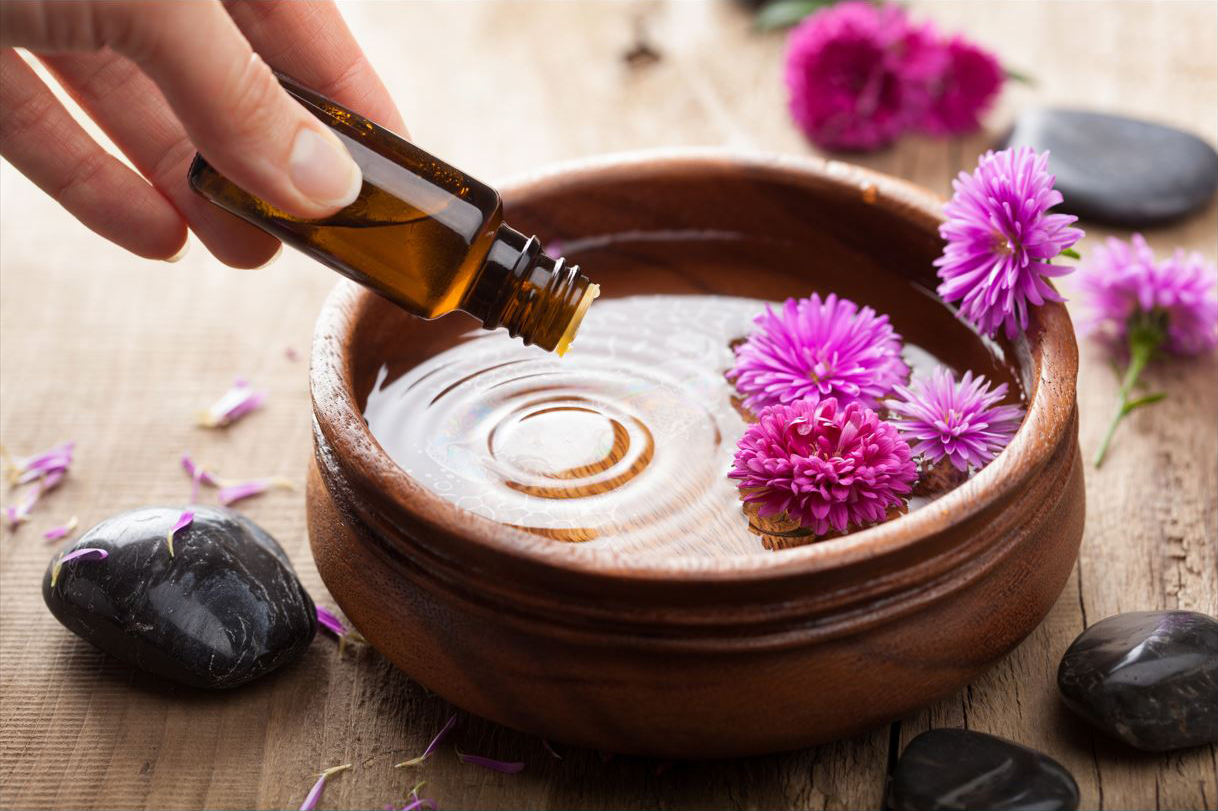
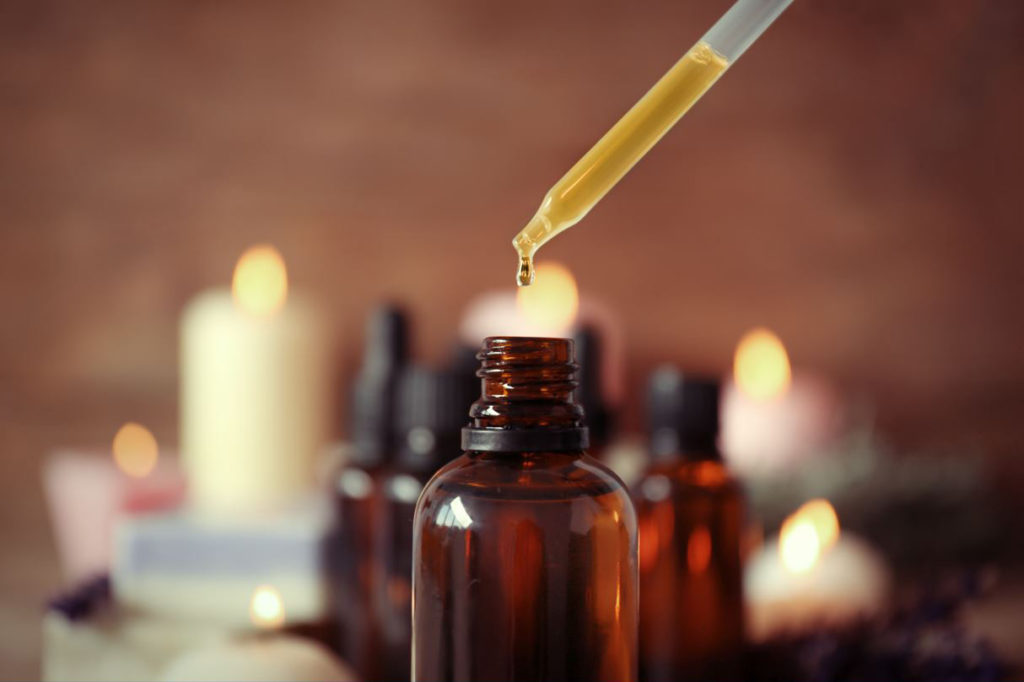
In aromatherapy, a type of complementary medicine that uses plant extracts to enhance health and wellbeing, essential oils are the foundation stone of the treatment.Essential oils are concentrated plant extracts that still include the original flavor and aroma, or “essence,” of the plant from which they were made.
Some of the health claims that are connected with these oils, however, are debatable.
How do Essential Oils Work?
Compounds obtained from plants are called essential oils.The oils, or “essence,” of the plant are extracted.Each essential oil’s distinctive fragrance is derived from distinct aromatic components.
Essential oils are obtained mechanically, such as by cold pressing, or by distillation (using steam and/or water).Following extraction, the aromatic compounds are mixed with a carrier oil to produce a finished product that is ready for use. How the oils are produced matters since those that are acquired by chemical procedures are not thought of as genuine essential oils.
The most common application for essential oils is in aromatherapy, where they are inhaledin various ways.Essential oils should not be ingested.
Your limbic system, a region of your brain involved in emotions, behaviors, sense of smell, and long-term memory, can be stimulated by breathing in the fragrances of essential oils. The limbic system plays a significant role in memory formation. This explains in part why familiar odors can bring back feelings or memories.
Several unconsciously occurring physiological processes, including respiration, heart rate, and blood pressure, are also regulated by the limbic system. Consequently, some say that essential oils can have an effect on these factors. Examples include:
- Chamomile to elevate mood and promote relaxation
- Tea tree to prevent infections and strengthen defense
- Jasmineto boost libido, ease labor pains, and help with sadness
- Lemon for migraines, and headache relief
There are more than 90 widely utilized essential oils, each with its own set of health benefits. Sandalwood, Lavender, and Peppermint are common essential oils.
Benefits of Essential Oils for Health
Despite their widespread usage, little is known about the therapeutic potential of essential oils for specific diseases.Here’s a look at some of the main medical issues that aromatherapy and essential oils are used to address.
Anxiety and Stress
Numerous studies have demonstrated how the aroma of various essential oils may supplement conventional therapy in the treatment of anxiety and stress. Additionally, contrary to popular belief, utilizing essential oils during a massage may reduce stress, albeit the effects may only be felt during the massage itself. However, there have also been several studies showing that aromatherapy has no effect on stress. Nevertheless, it is still worth trying out and may depend on the person and the level of stress they are experiencing.
Migraines and Headaches
Studies have shown that headaches could be reduced by dabbing peppermint oil and ethanol solution on the foreheads and temples. Recent studies have also reported reduced headache discomfort with topical application of peppermint and lavender oils. Additionally, it’s been said that using chamomile and sesame oil on the temples will help with headaches and migraines. This is a typical Persian treatment for headaches. More reputable research is yet required.
Insomnia and SleepProblems
It has also been shown that inhaling lavender oil enhances the quality of sleep for heart disease patients as well as postpartum mothers. Most studies revealed that smelling the oils, primarily lavender oil, had favorable effects on sleep patterns.
Antimicrobial and AntibioticTreatment
The growth of germs that are resistant to antibiotics has rekindled interest in finding other substances that might combat bacterial illnesses.Numerous test-tube experiments have examined the antibacterial properties of essential oils, such as peppermint and tea tree oil, and have shown some promising outcomes.
Although the results of this test-tube study are intriguing, they may not accurately represent the impact that these oils have on your body and do not demonstrate that a specific essential oil may effectively cure bacterial infections in people.
How To Select The Appropriate Essential Oils
Many businesses assert that the oils they sell are “pure” or “medical grade.” These phrases don’t have a set definition, though, thus their reliability is doubted.
To ensure that you exclusively select premium oils, keep in mind the following advice:
- Purity: Find an oil that is completely free of synthetic oils and additives, and that only includes aromatic plant ingredients. The scientific name of the plant, such as Lavandula officinalis, is often listed on pure oils instead of phrases like “essential oil of lavender”.
- Cold-pressed or distilled without the use of any chemicals: True essential oils are the ones that have undergone the least amount of alteration during the extraction process. Select an essential oil that has been mechanically cold-pressed or distilled without the use of any chemicals.
- Reputation: Invest in a brand known for sellinggood-quality products.
Safety
Lavender, peppermint, tea tree, and ylang-ylang are the oils that have been most often linked to negative responses.
If mixed with a base oil, essential oils are often regarded as safe to inhale or apply to the skin. But for certain people, especially if administered topically or consumed, they may have severe negative effects, especially for pregnant women or those who are nursing. Rashes, asthma flare-ups, headaches, and allergy symptoms are typically as adverse as their effects get.
Using essential oils as a supplemental treatment for minor health issues is typically safe.However, you should discuss their usage with your healthcare provider if you have a significant medical condition or are taking medication.

Disclaimer
BahrainHealthMatters.com is for informative purposes only and not a substitute for professional in person expertise.
We advise that anyone having concerns about their health issues should consult their doctor asap.