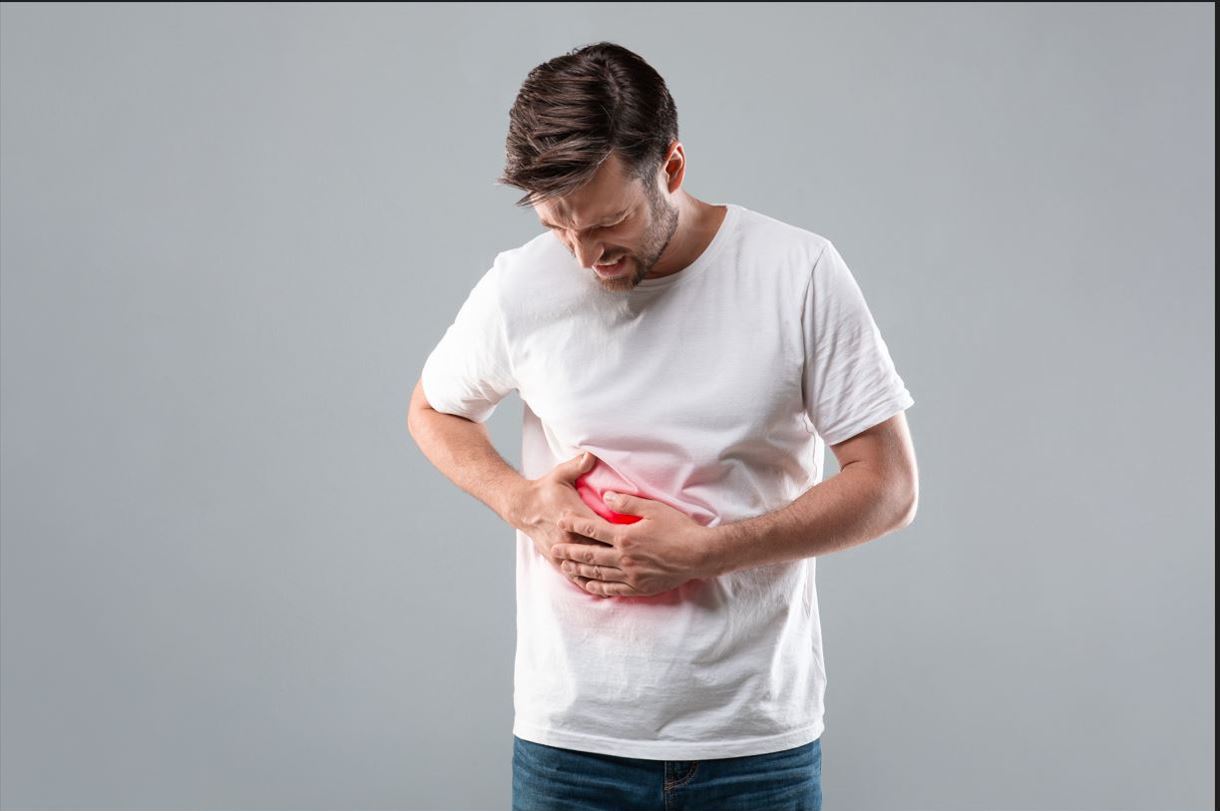
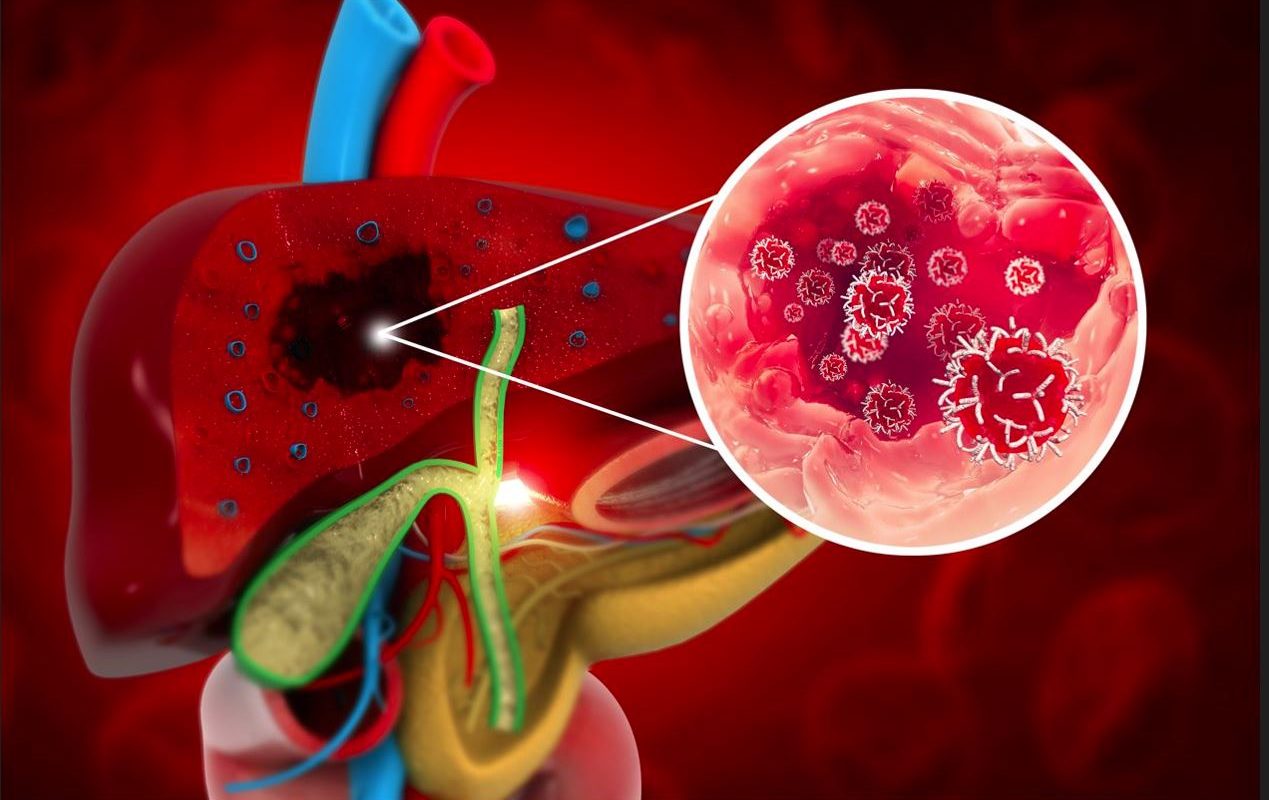
The scarring (fibrosis) of the liver that results from chronic liver injury is called cirrhosis.
The liver cannot function correctly because of the scar tissue.Because it develops after earlier stages of liver damage from illnesses like hepatitis, cirrhosis is frequently referred to as end-stage liver disease.Even if you have cirrhosis, your liver may still function. However, cirrhosis has the potential to progress to liver failure and cause significant, perhaps fatal consequences.Cirrhosis may be possible to be prevented from worsening with treatment.
Signs of Cirrhosis
The early stages of cirrhosis may be accompanied by a lack of symptoms.
However as the damage to your liver worsens, you could:
- Feel drained and weak
- Feel nauseous
- Lose your appetite
- Lose body fat and muscle mass
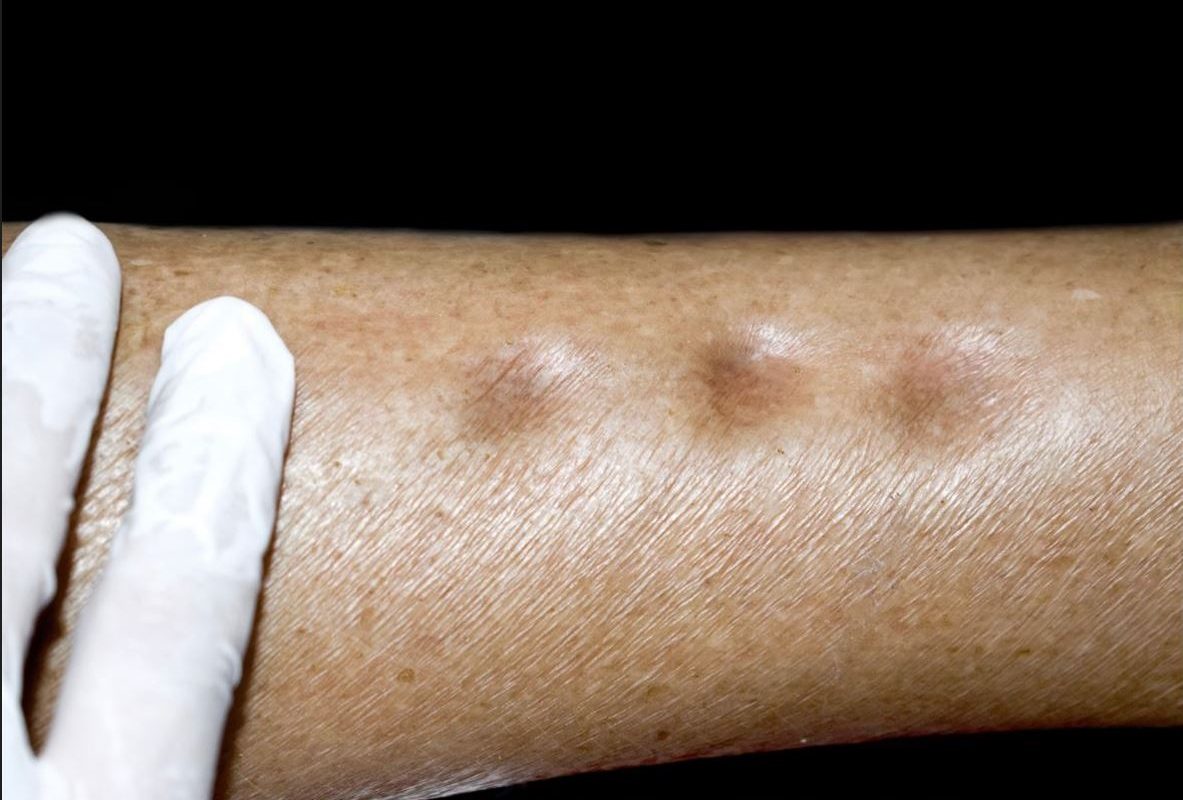
- Develop red welts
- Find spider angiomas (small, spider-like blood vessels) on your skin above the waist
- Find red areas on your palms
Some of the signs and problems of advanced cirrhosis include:
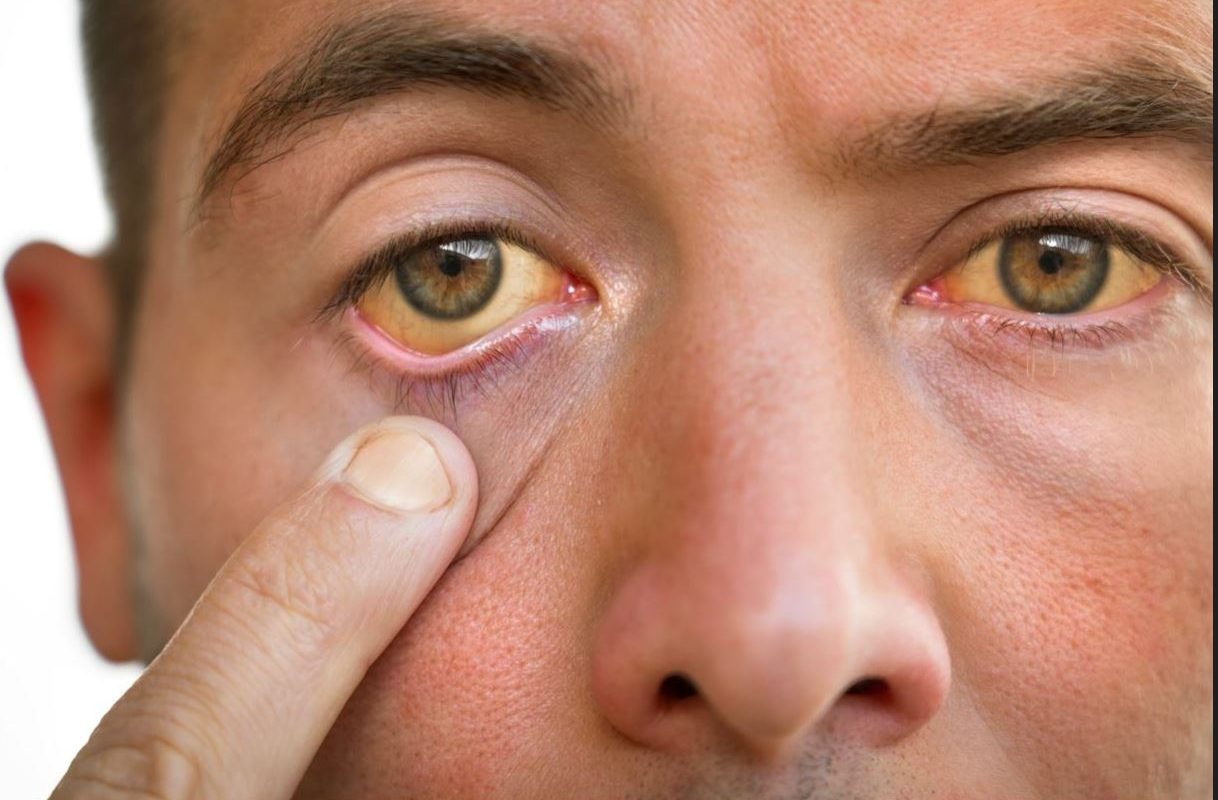
- Yellowing of the eye whites and skin (jaundice)
- Urinating blood
- Dry skin
- Black urine
- Readily bruising or bleeding
- Fluid-related swelling of the abdomen (ascites) or legs (edema)
- Decreased libido
Treatment
Cirrhosis currently has no known treatment. There are, however, techniques to control the signs and associated side effects as well as stop the disease’s growth.
Cirrhosis can be prevented from worsening by:
A liver transplant may be the sole choice for therapy if your liver is seriously damaged.
- Addressing the issues that caused it, such as treating hepatitis C with antiviral medications.
- Cutting back or quitting alcohol consumption
- Losing weight if obese
A liver transplant may be the sole choice for therapy if your liver is seriously damaged.
Why does cirrhosis occur?
The most frequent causes of cirrhosis are:
- Excessive alcohol consumption for a long period of time
- Having a protracted hepatitis infection or having had hepatitis for a very long time, especially hepatitis b or c
- Non-alcoholic steatohepatitis, a severe variation of non-alcoholic fatty liver disease (NAFLD) in which an accumulation of extra fat causes the liver to become inflamed
- Some genetic diseases
- Prolonged use of specific medications
- Issues with your bile ducts or immune system, such as primary biliary cholangitis
Disclaimer
BahrainHealthMatters.com is for informative purposes only and not a substitute for professional in person expertise.
We advise that anyone having concerns about their health issues should consult their doctor asap.