

Earwax blockage

by gdnadmin

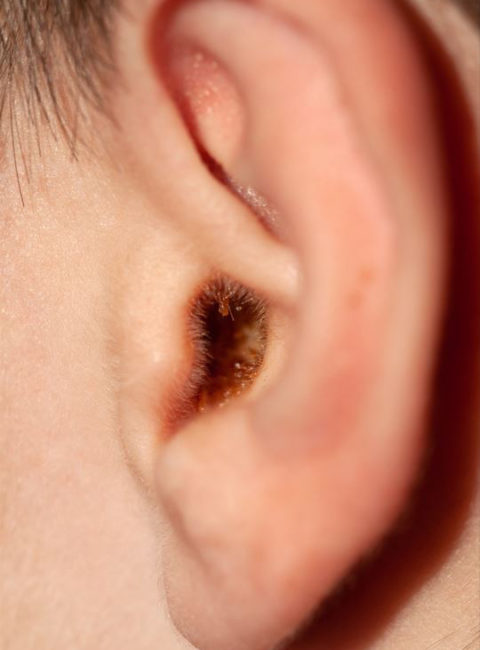
Cerumen impaction, commonly known as earwax blockage, can happen when your body generates too much earwax or when wax that is already there is pushed too deep into your ear canal. You might not be able to hear out of the damaged ear in some circumstances. However, this usually only lasts while you wait to get the extra wax removed. Home remedies are effective in most cases.However, a doctor can also assist remove and unclog an earwax obstruction.

What is the Cause of Ear Wax Blockage?

It's usual to have some earwax in your ears. Your inner ear is protected by earwax from foreign objects like dust and germs. In most cases, the wax eventually leaves your ear, preventing obstruction. If wax is pushed too far into your ear or if your ear naturally produces too much earwax, you risk developing a blockage. This usually happens if you use a cotton swab to remove the wax and end up pushing it deeper into your ear and causing a blockage. It could also be for natural reasons. Your body simply producing more wax than necessary is another potential reason for earwax obstruction. There could be too much wax in this instance for your ear to simply remove. In that case, the wax in your ear can solidify, making it less difficult for it to come out on its own.

Treating Ear Wax Blockage

In order to examine your ear and determine whether wax could be the source of your problems, your doctor will also use an otoscope.If you have an earwax obstruction, your doctor may treat it in the office or provide you instructions for doing it yourself. Your doctor may have to remove the earwax if they have cause to assume that your eardrum isn't intact.

To soften and remove earwax at home, you can try baby oil, mineral oil, or glycerin. Two times each day, put a few drops into your ear canal using an eyedropper. To soften the wax, place a few drops twice daily for four to five days in your ear canal using an eyedropper. Within a few days, after the wax becomes soft, it should naturally come out.

If this does not help, your physician might need to vacuum your ear or remove the foreign object. If none of these methods work, your doctor might have to vacuum the ear or use a curette or another tool to clear the obstruction. There is no assurance that an earwax obstruction won't reoccur after it has occurred. You may experience this condition repeatedly throughout your life if your ears naturally make a lot of wax. After you cure the earwax obstruction, your symptoms should go away because it is a temporary problem.

If you are aware of your propensity for earwax obstruction, you may want to think about frequently cleaning out your ears to reduce the accumulation. This could lessen the possibility of your ear wax hardening and clogging.

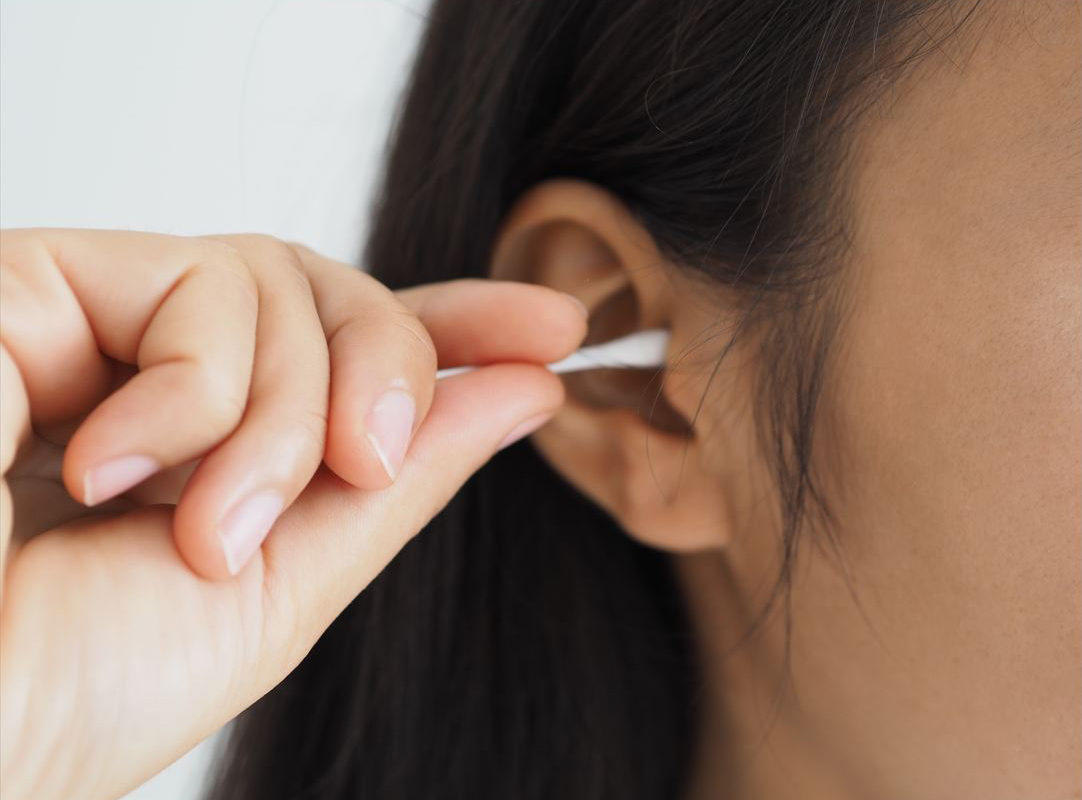
Avoiding inserting anything in your ear, even cotton swabs that many people frequently use to clear off wax, is another strategy to prevent earwax obstruction. By pushing wax further into your ear, this technique may irritate your eardrum and cause a blockage. Instead, gently wipe your ear with a damp towel or tissue.

Some persons who have earwax obstruction face consequences like fever, ear discharge, and excruciating ear discomfort.

If you have these relatively uncommon symptoms, speak with your physician right away to schedule an ear wax removal procedure.

Disclaimer

BahrainHealthMatters.com is for informative purposes only and not a substitute for professional in person expertise.
We advise that anyone having concerns about their health issues should consult their doctor asap.

Leave a Comment

Want to support the Health Matters Expo

Corporate Office

Feature Posts

Newsletter