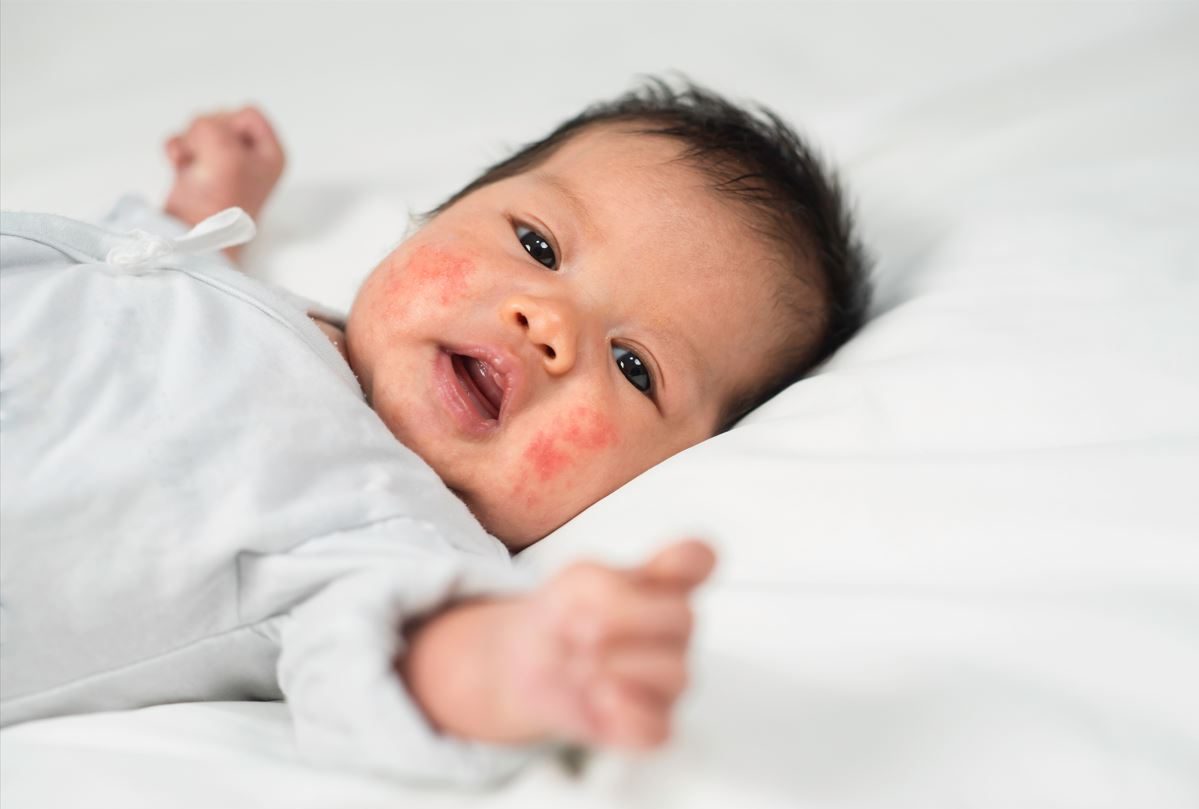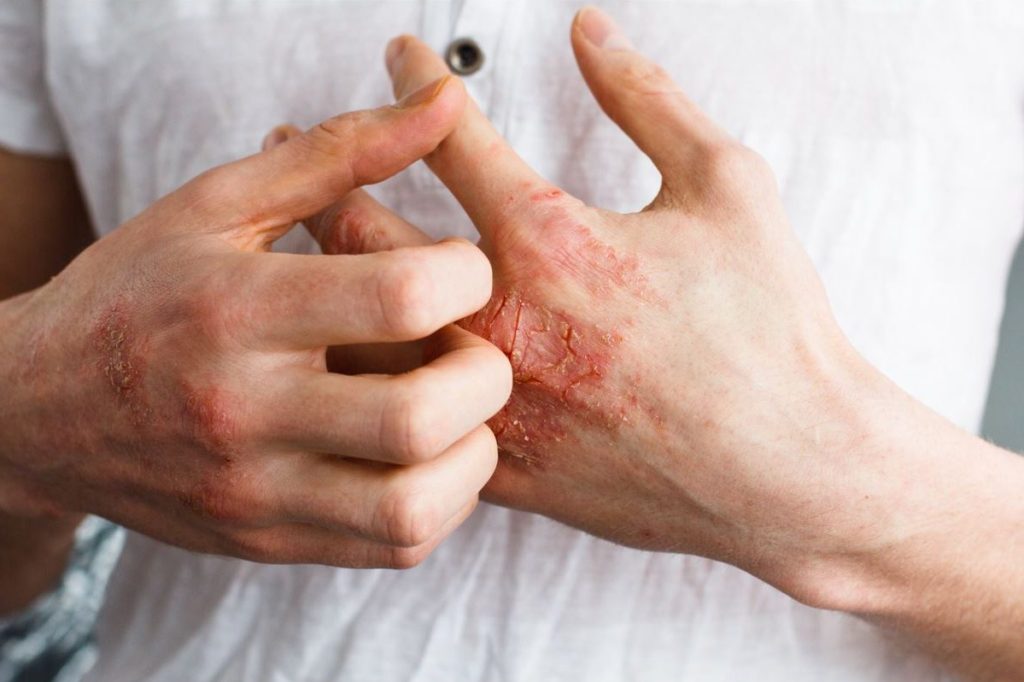
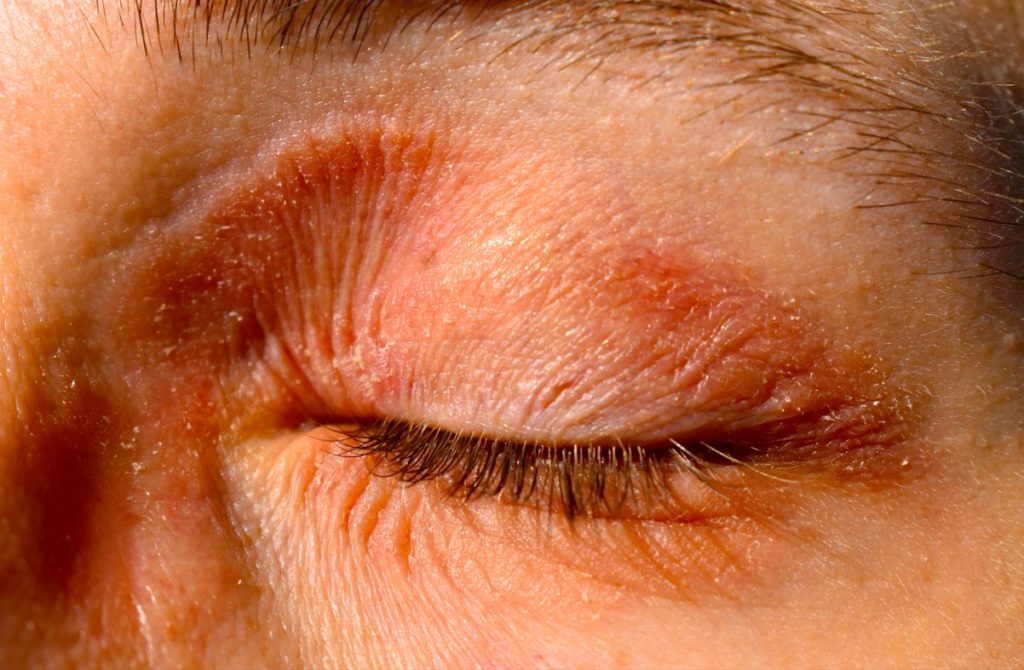
Eczema is a skin disorder that affects a lot of people and results in itchy, red, dry, and irritated skin. It can affect people of any age. Eczema comes in a variety of forms. The kind of rash you get and where it appears on your body might vary depending on the type of eczema you have.
Changes in germ cells are most frequently the first sign of testicular cancer. These are the sperm-producing cells found in your testicles. Roughly 95% of testicular malignancies are germ cell tumors.
Causes of Eczema
Eczema’s main cause is not fully known. However, scientists believe that an overactive immune system may be the cause; because when your skin is exposed to allergens from the outside, your immune system overreacts, and eczema frequently flares.
Researchers have also discovered that some individuals with eczema don’t produce enough of a protein called filaggrin (filament aggregating protein). Your skin depends on this protein to keep healthy and hydrated.
Below are some common triggers of eczema:
- Cleansers and detergents with smell may contain additives or preservatives
- External allergens from cigarette smoke, such as pollen, mold, dust, or dust mites
- Abrasive materials, such as wool or synthetic textiles
- Sweating causing temperature shifts
- Stress allergies to foods
- Upper respiratory infections caused by animal dander
Symptoms
Itchy, dry, rough, flaky, inflamed, and irritated skin is the primary symptom of eczema. It may flare up irregularly and may flare up even after healing. Although eczema may appear anywhere, it often affects the scalp, cheeks, inner elbows, backs of the knees and arms. It is not communicable and occasionally gets milder as you mature.
Here are some additional symptoms of eczema:
- Pronounced itching
- Areas of crimson or reddish gray skin
- Small, raised lumps that, when scratched, exude fluid when they are crusted over and can be signs of infection
- Skin that feels painful or raw and is thickened and scaly
Many patients discover that their symptoms worsen at night, which makes it hard for them to sleep. Scratching eczema causes more skin irritation and inflammation. This may result in infections that call for antibiotic treatment.
Treatment
When mild eczema flares up, it may occasionally be treated at home by avoiding irritants and moisturizing the skin. However, when symptoms are challenging to control or are growing worse, it’s recommended to visit a doctor.
- Over-the-counter medications are ineffective for treating your eczema
- Symptoms are affecting your sleep
- Daily activities are becoming challenging to do
- Your skin is become blistered and excreting fluids
- Your skin is scaly or thickening and starting to peel
You should schedule a doctor’s visit if you are experiencing any of the above symptoms.
Stress has been linked to eczema. You can also make the following lifestyle changes to manage your stress:
- Practicing deep breathing techniques
- Meditation and yoga routines
- Listening to soothing music
- Getting enough sleep
You may also use a cold compress or take a 15-to-20-minute warm bath to help reduce itching. Additionally, you may take the following measures, after consulting with your doctor:
- Drinking black or tea
- Using sunflower, coconut, or primrose oils
- Acupuncture
- Aromatherapy
Disclaimer
BahrainHealthMatters.com is for informative purposes only and not a substitute for professional in person expertise.
We advise that anyone having concerns about their health issues should consult their doctor asap.