

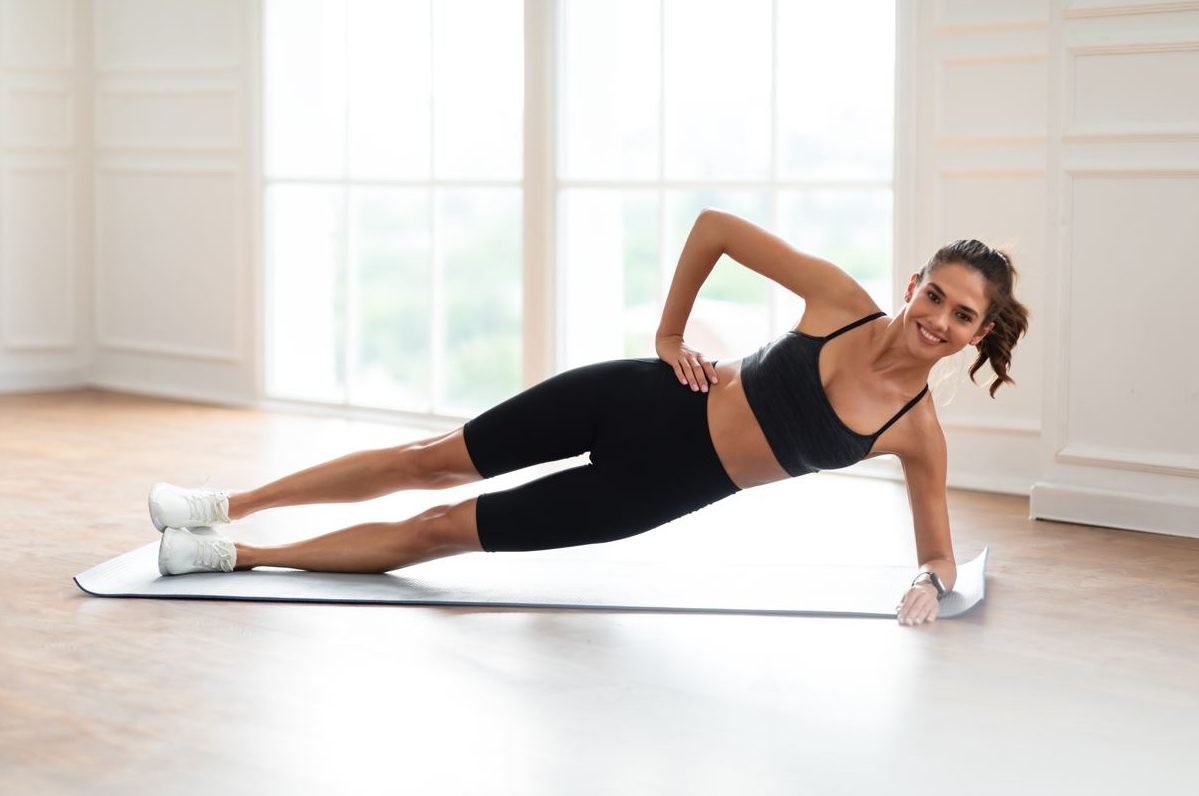
Have you considered picking up an exercise routine, but just don’t know where or how to start?
Don’t overthink it, just jump in
You might not end up being a professional athlete, but even if you’ve never participated in a sport before, you may still establish a significant fitness objective for yourself. Start exercising gradually to prevent injuries and burnout: 10-15 minutes, three times per week. Then, gradually increase the duration and intensity.
Seek discomfort
Think about your options. Go to a gym nearby and check out the programs they have running. There are many things you could do, and you could find something you like that you never imagined you would. You can even try out something you’ve always wanted to try out but never got around to doing, like ballet, or boxing.
Start with small, achievable objectives
Even if you have an ambitious goal in mind like competing in a tournament, or running a marathon, setting a sequence of smaller goals that lead to your ultimate goal is the best strategy for getting there. For instance, set objectives to complete a few 5K events prior to signing up for a marathon. Additionally, practice running a mile before that. You may use fitness apps to keep track of all the wonderful things you do as you move closer to your main objective.
Change Things Up!
The same workout every day might get monotonous for you. And after performing the same exercise continuously for 6 to 8 weeks, your muscles become accustomed to it. You gain less muscle and burn fewer calories. Train at intervals. Increase your speed for a minute, then decrease it and repeat. Try aerobic exercises like swimming, indoor cycling, kickboxing, as well as strength training.
Check with your doctor
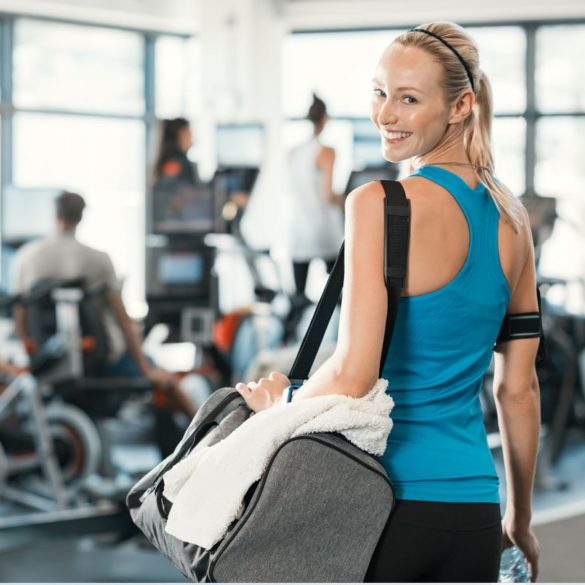
If you’re over 50 and not already active, speak with your doctor before starting to exercise. A doctor’s approval is also advised if you have a health issue or take daily medication.
Remember to eat
Exercise increases metabolism and burns additional calories. Therefore, have three meals and nutritious snacks every couple of hours. Snack on something healthy before working out for quick energy. After a lengthy, difficult workout, refuel with a heavy, high-protein balanced meal. You can also have light meals and snacks, and try new combinations like yogurt and nuts, an apple and peanut butter, or an egg on whole wheat toast
Stay hydrated
You don’t need a specific sports drink with electrolytes unless your workout is really long or difficult. Water functions perfectly. Drink a lot of fluids since dehydration increases the risk of heat exhaustion and heat strokes, as well as the possibility of muscular cramps. Make sure to drink plenty of water after you’ve finished working out, and to keep water available to drink during your workout.
Know your strengths and objectives
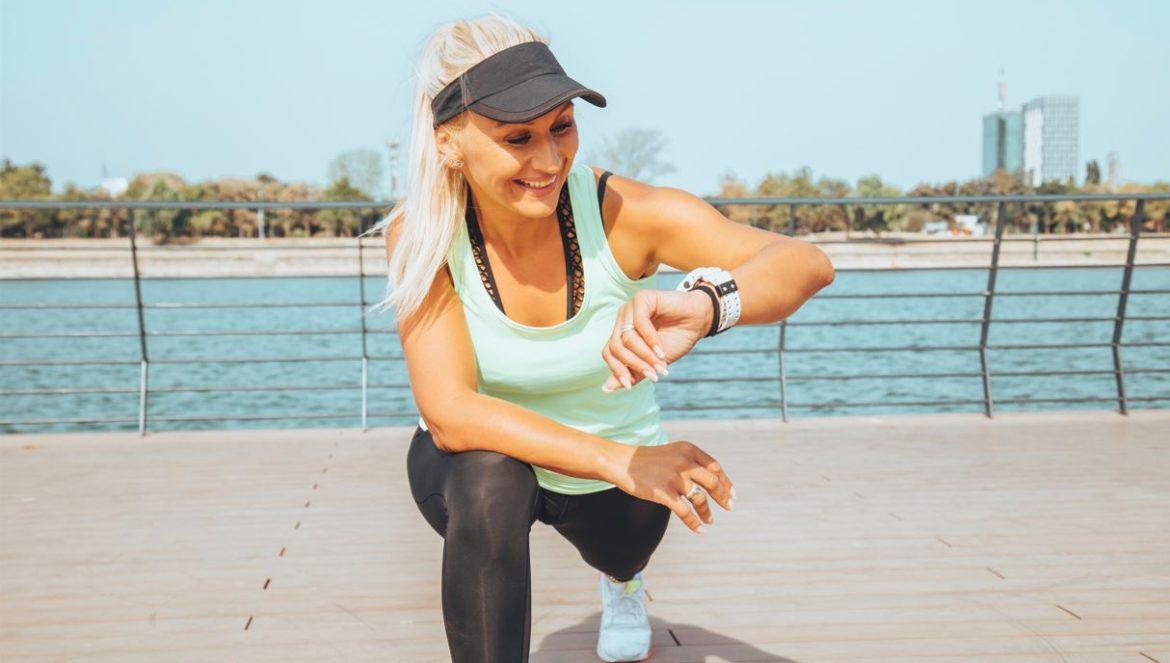
Even if your objective is to run a marathon, for instance, you should also engage in strength or resistance training. Strong muscles help avoid accidents, burn more calories, and strengthen bones. Work your muscles by doing exercises like push-ups, and using hand-held equipment like weights, kettlebells, or resistance bands. Between strength training sessions, rest each muscle group, including the triceps and biceps, for at least two days. However, it still makes complete sense to have no objective other than to become healthier than you were yesterday.
Dress comfortably
When working out, the appropriate attire and footwear are required. Feeling comfortable is more important than looking nice (although it can’t hurt either). If you have light-weight shoes, walking, running, or biking is not pleasurable. Instead of cotton that absorbs perspiration, look for textiles that help ventilate moisture from your body.
Learn proper form
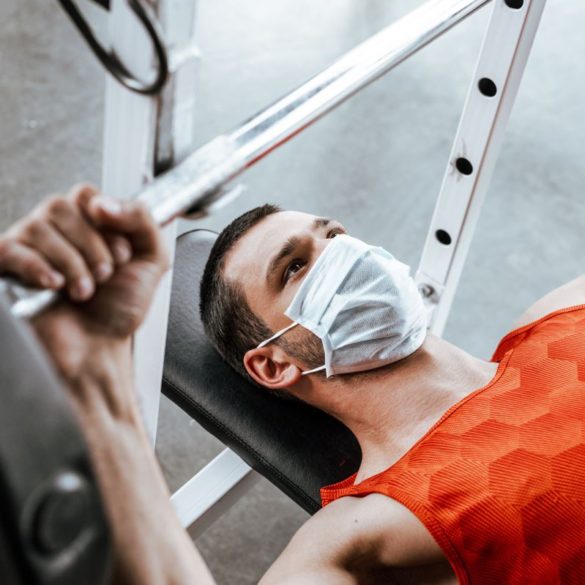
If your form or technique is poor, you might injure yourself whether you’re lifting weights or jogging. Don’t automatically believe you’re doing your exercises correctly, especially if the workout burns. Trainers or fitness professionals at your gym might be able to watch you work out and offer suggestions on how to improve your technique. Alternately, you can watch internet videos of proper procedures or read fitness periodicals.
Have fun!
The most important thing about developing a regular exercise routine is that you enjoy yourself and give yourself a reason to come back the next day. Experiment with different kinds of exercises, find what makes you happy, and do that like no one is watching. Remember to not judge yourself, and prioritize yourself and your wellbeing by listening to what your body wants.
Disclaimer
BahrainHealthMatters.com is for informative purposes only and not a substitute for professional in person expertise.
We advise that anyone having concerns about their health issues should consult their doctor asap.