

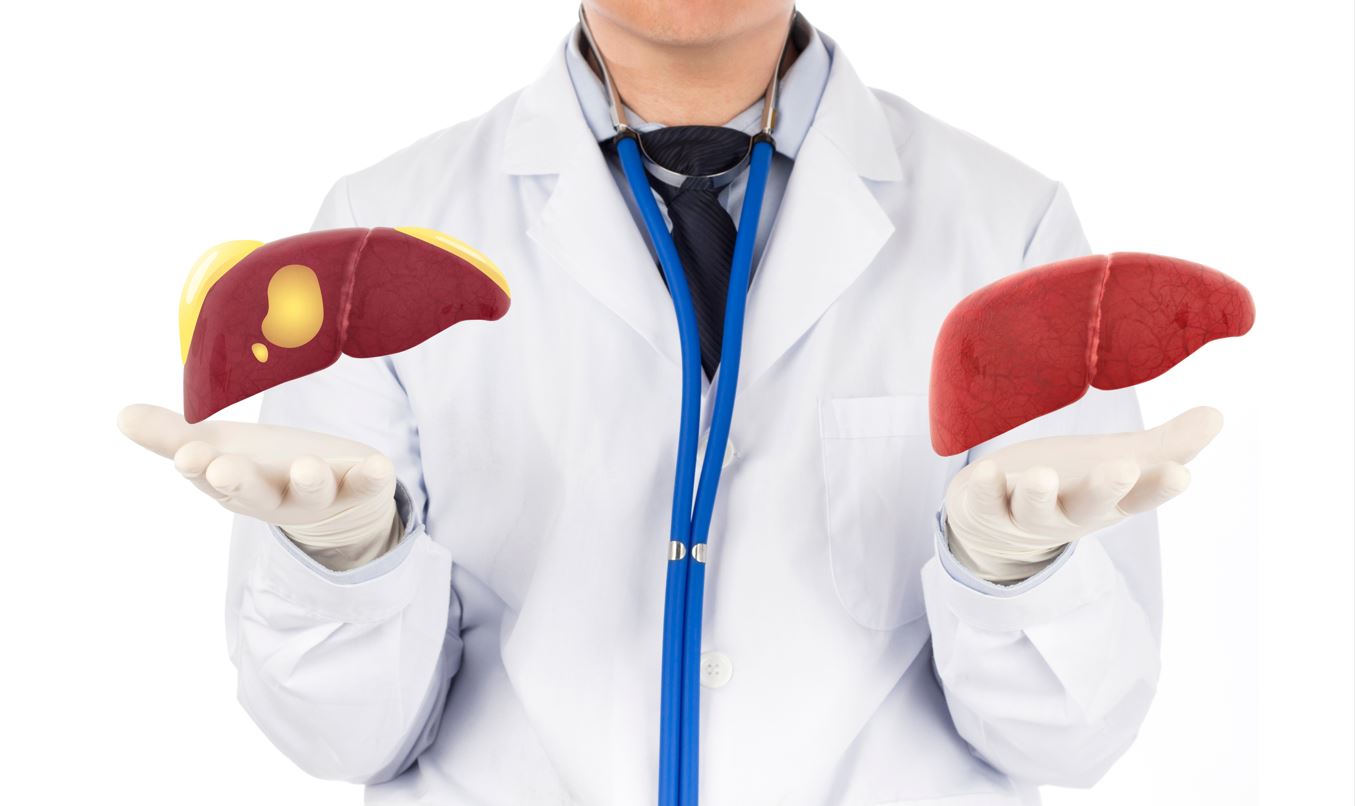
The storing of excess fat in the liver results in the prevalent illness known as fatty liver disease. The majority of people show no symptoms, and they don’t have any major issues. However, it occasionally can result in liver damage. The good news is that lifestyle adjustments may frequently prevent or even correct fatty liver disease.
What role does the liver play?
The liver is a vital organ that performs several life-sustaining processes. The liver:
- Creates bile, which facilitates digestion
- Stores iron
- Makes protein for the body
- Generates energy from nutrients
- Produces chemicals that aid in blood clotting
- Strengthens your immune system by producing immunological components and clearing your blood of germs and toxins (substances that might harm your body).
What is Fatty Liver Disease?
Steatosis, also known as fatty liver disease, is a common disorder brought on by an accumulation of too much fat in the liver. There is an amount of fat in a healthy liver but when fat equals 5% to 10% of your liver’s weight, it becomes an issue.
Fatty liver disease often doesn’t result in any severe issues or interfere with your liver’s ability to operate correctly. However30% of those who have the illness, fatty liver disease worsens with time. There are three stages it goes through:
1. The liver becomes inflamed or enlarged andthe tissue is affected, also known as steatohepatitis
2. Scar tissue develops at sites of injury, also known as fibrosis
3. Scar tissue starts toreplace the healthy tissue, also known as cirrhosis
Fatty liver disease often doesn’t result in any severe issues or interfere with your liver’s ability to operate correctly. However30% of those who have the illness, fatty liver disease worsens with time. There are three stages it goes through:
1. The liver becomes inflamed or enlarged andthe tissue is affected, also known as steatohepatitis
2. Scar tissue develops at sites of injury, also known as fibrosis
3. Scar tissue starts toreplace the healthy tissue, also known as cirrhosis
Fatty liver disease comes in two basic types:
1. Fatty Liver disease brought on by alcohol: Heavy drinking leads to the development of alcohol-induced fatty liver disease.
2. Non-alcoholic Fatty Liver disease: Non-drinkers who have non-alcoholic fatty liver disease (NAFLD) can develop it. The precise etiology of nonalcoholic fatty liver disease is unknown. Obesity and diabetes are only two variables that might raise your risk.
1. Fatty Liver disease brought on by alcohol: Heavy drinking leads to the development of alcohol-induced fatty liver disease.
2. Non-alcoholic Fatty Liver disease: Non-drinkers who have non-alcoholic fatty liver disease (NAFLD) can develop it. The precise etiology of nonalcoholic fatty liver disease is unknown. Obesity and diabetes are only two variables that might raise your risk.

Who is at risk?
If you:
- Are Arab or Asian, your risk of having fatty liver disease is higher
- Are postmenopausal woman, meaning that your periods have stopped
- Are obese and have a lot of abdominal fat
- Have diabetes, insulin resistance, high blood pressure, or high cholesterol/li>
- Experience obstructive snoring (a blocked airway that causes breathing to stop and start during sleep).
You have no control over several stroke risk factors, including:
- Family Medical History: Some families have an increased risk of stroke due to inherited health issues including high blood pressure.
- Gender: While both men and women can have strokes, they’re more common in women.
- Age: The probability of having a stroke increases with age.
- Health Background: The risk of stroke is connected to particular medical problems. These include:
- A history of stroke
- Elevated blood pressure
- Elevated cholesterol
- Faulty heart valves
- Irregular heartbeats and enlarged heart chambers
- A sickle cell condition
- Diabetes
- A blood clotting condition

Symptoms of Fatty Liver disease
Until the condition advances to liver cirrhosis, people with fatty liver disease frequently don’t exhibit any symptoms. If you do experience symptoms, they could be:
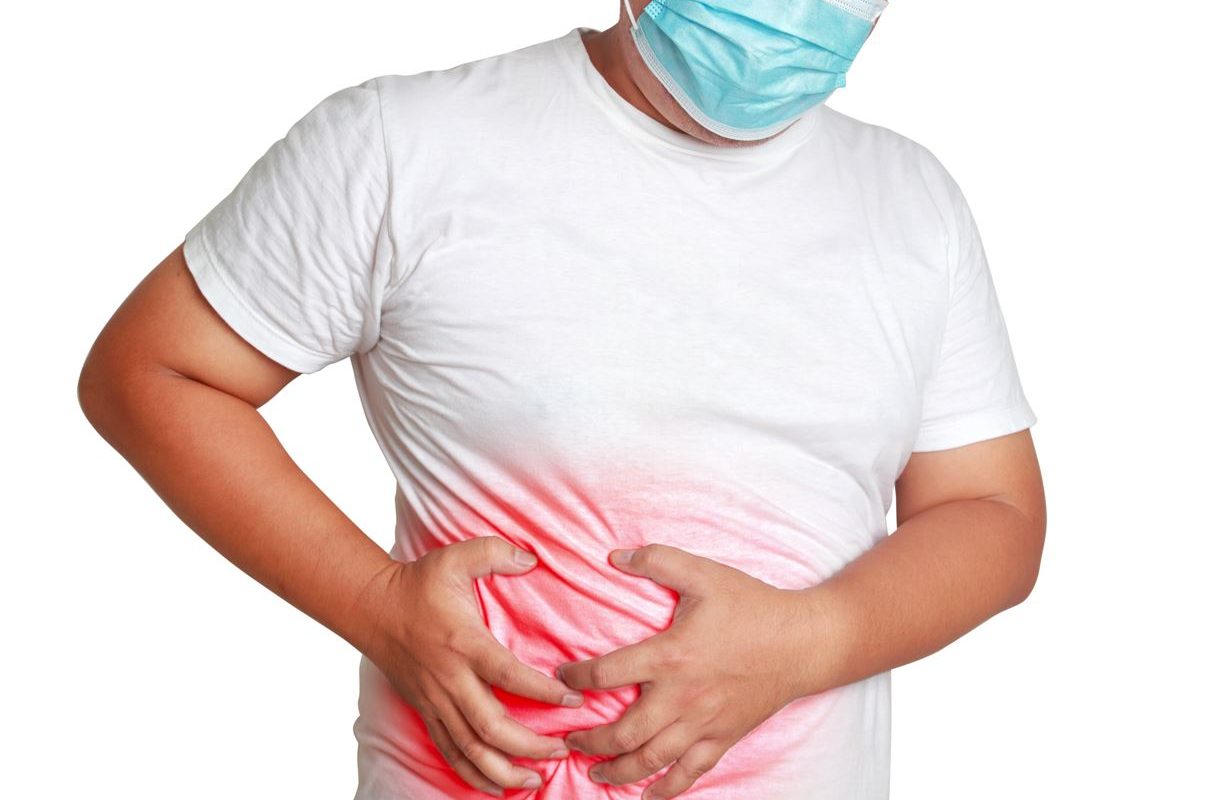
- Upper right side abdominal discomfort or a sense of fullness
- Loss of appetite, weight loss, or nausea
- Eye whites and skin that are yellow swollen legs and abdomen (edema)
- Extreme fatigue or disorientation

Prevention& Reversing
The best approach to prevent fatty liver disease is to practice healthy lifestyle habits, such as:
- Maintain an appropriate weight. Lose weight gradually if you are overweight or obese.
- Exercise regularly
- Consume alcohol in moderation.
- Take your medicine as directed.
What is a healthy diet for fatty liver?
To lose weight gradually yet steadily, follow a balanced diet. Losing weight quickly might exacerbate fatty liver disease. The Mediterranean diet, which is rich in fruits, vegetables, and healthy fats, is frequently advised by doctors. Consult your physician or nutritionist for suggestions on safe ways to lose weight.
Think of fatty liver disease as a precursor to cirrhosis or liver cancer, two conditions that can kill you. It’s crucial to take action to halt or reverse fatty liver disease even if you are currently symptom-free and have no issues with your liver’s functionality.
Think of fatty liver disease as a precursor to cirrhosis or liver cancer, two conditions that can kill you. It’s crucial to take action to halt or reverse fatty liver disease even if you are currently symptom-free and have no issues with your liver’s functionality.
Disclaimer
BahrainHealthMatters.com is for informative purposes only and not a substitute for professional in person expertise.
We advise that anyone having concerns about their health issues should consult their doctor asap.