


One way to reduce your blood pressure is through exercise. If you’re currently taking blood pressure medication to treat your hypertension, you should know that exercising increases the efficacy of the drug.
Find a form of exercise that you will enjoy
Find an activity you love doing and try to get in 30 minutes a day of it most days of the week. If you don’t like the gym, you can try dancing. Yoga, hiking, gardening, and anything else that increases your heart rate makes a difference. Choose activities you’ll want to perform frequently because you’ll be making them a habit. Inform your doctor of your plans so they can ensure you are prepared.
Consider a Trainer
Consider hiring a trainer to serve as a guide if you want assistance getting started from a professional. They can assist you in doing each action properly and achieving the best outcomes.
Try strength training
You should include strength training in your program. When performing stomach crunches or curl-ups, you can utilize weights, weight machines, workout bands, or your own body weight. You’ll increase muscle mass, reduce body fat, and speed up your metabolism. If you are overweight, losing even 10 pounds can help decrease or avoid high blood pressure.
Go swimming
Cardio or aerobic activity is beneficial for lowering blood pressure. The gentlest method is to go swimming. 30 minutes is a good place to start. If 30 minutes is too much right now, try building up to it.
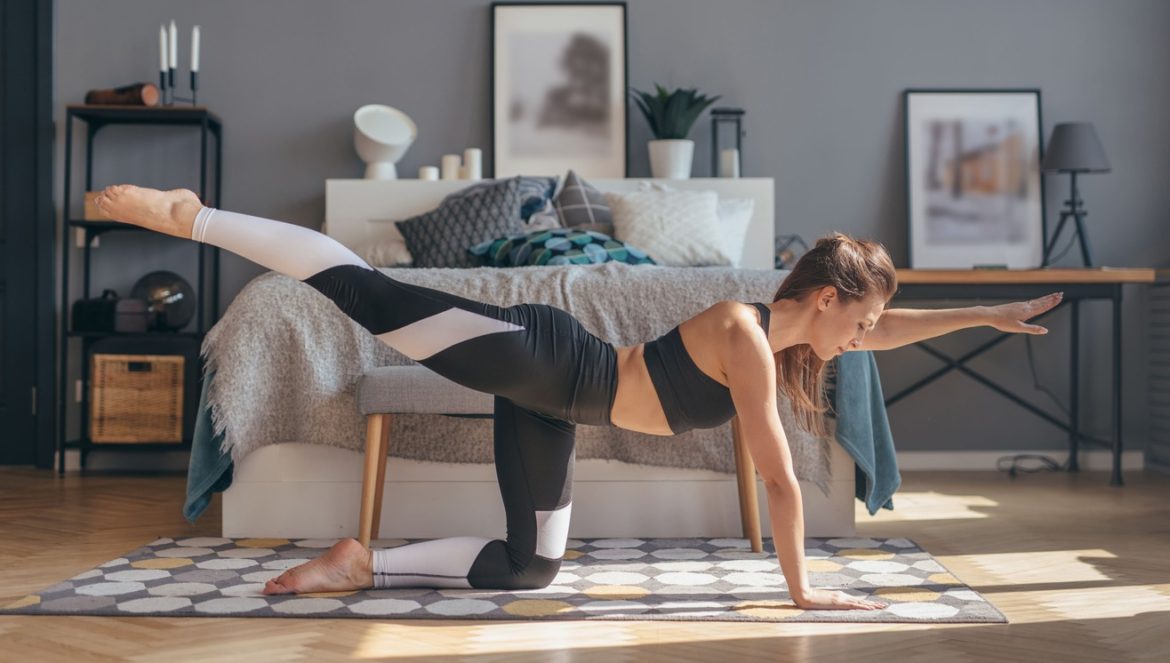
How much exercise is enough?
Do activity of moderate exertion, such as brisk walking, five or more days a week for at least 30 minutes. That could be sufficient to prevent you from taking drugs or to make them more effective. Up to 15 points might be dropped off your blood pressure simply by exercising. To continue bringing your blood pressure down to a healthy level, gradually increase the intensity of your workouts.
How do you get started?
Taking the first step can be confusing. Start gently to avoid getting hurt. Start with 10 to 15 minutes of enjoyable exercise, such as an evening walk or time spent dancing, or on a treadmill with music you like
Keep Your Pace
If this is your first time exercising, pace yourself. Choose low to moderate-intensity workouts, such as gardening, mild yoga, or any other activity you can perform at a steady pace. As you get fitter, gradually up the intensity and length of your workouts to help keep your blood pressure under control.
Make exercise accessible
Commit to including fitness in your routine. Opt for a time that suits you: before or after work, or even while the kids are at soccer practice. If leaving the house is difficult, think about investing in fitness apps or hand-held weights you can use at home.
Do Short Workouts
During a hectic day, incorporate 10-minute mini-workouts. You may perform calisthenics or stationary jogging for ten minutes, for instance. The equivalent of 30 minutes of everyday activity may be completed in three 10-minute mini-workouts.
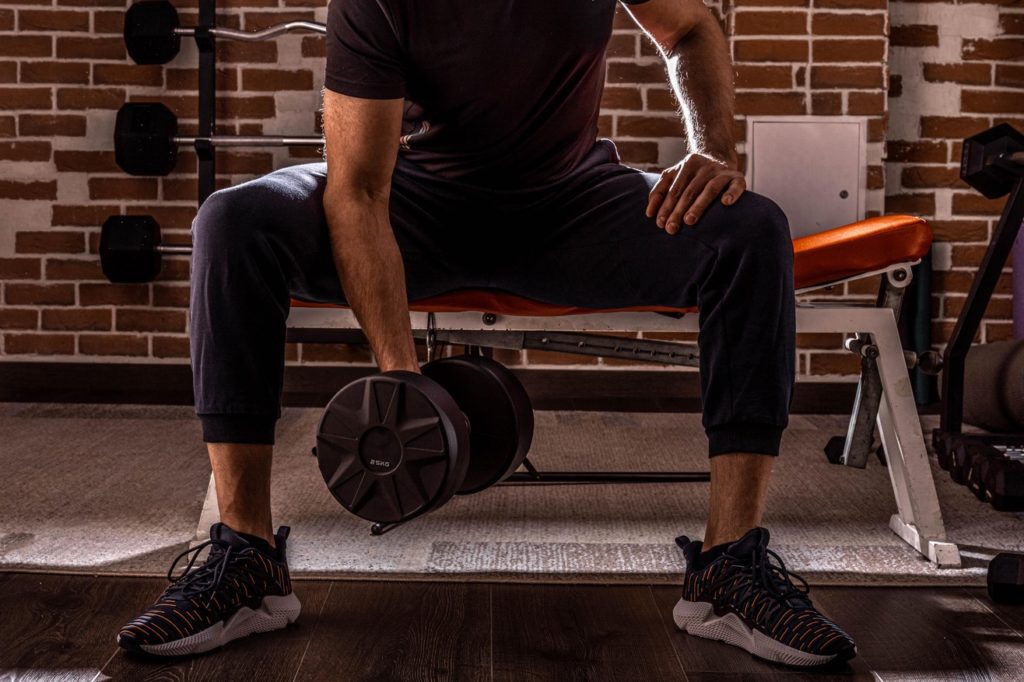
Set up a home gym
Choose equipment that will help you achieve your goals, such as a step bench, jump rope, fit ball, workout bands or tubes, and weights. When not in use, you can keep them in a closet. A treadmill or stationary bike is something you might want to explore if you have more space and money.
Don’t forget to warm up and cool down
For those with high blood pressure, warming up before exercise and cooling down after are crucial. These activities allow your heart rate to gradually increase and return to normal. It is OK to walk for 10 minutes while stationary or on a treadmill before and after exercise.
Use a heart rate monitor
Using a heart rate monitor, you may immediately check your pulse. To use one, place the included band on your chest. During your workout, you can look at your watch to check your heart rate in real-time. As opposed to manually taking your pulse, this is an excellent substitute.
Heart rate and medication
Remember your safety
Whatever activity you choose to perform, be conscious of your limitations. Stop if you start to feel lightheaded or have pain in your arms, chest, or throat. On hot, humid days, move more slowly or exercise in an air-conditioned space.
Try out a healthier diet
Stick to essential and healthy elements such as fruits, vegetables, and low-fat dairy products. Reduce your intake of cholesterol, saturated fat, and processed carbohydrates like white bread and sugar. Studies show that switching to a healthier diet can lower systolic blood pressure by eight to fourteen points. Blood pressure should be reduced in adults with readings over 120/80, especially in those 65 and older.
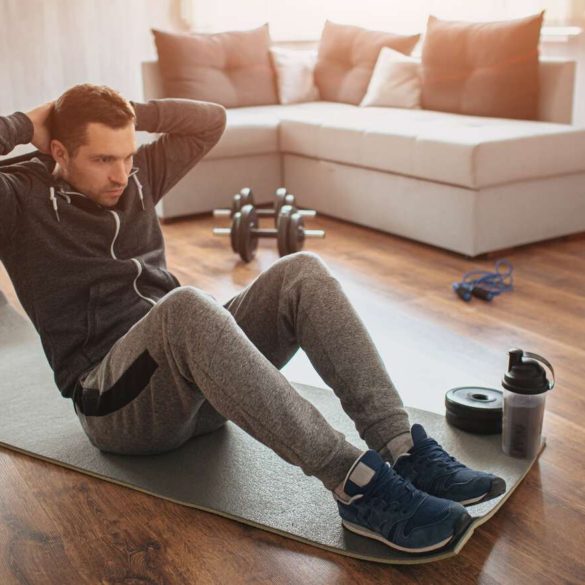
Additional Weight Loss: 10 Pounds
Losing 10 pounds can help you prevent or lower high blood pressure if you are overweight. Consume fewer calories daily than you expend to lose weight. Find out how many calories you need each day to lose weight by speaking with your doctor or a trained nutritionist. You may burn even more calories by exercising.
Avoid sodium
Less than 2,300 mg of sodium per day is often advised by doctors. Most medical professionals advise consuming fewer than 2,300 mg of sodium per day (about 1 teaspoon of table salt). Depending on their age and other factors, some people can only consume 1,500 milligrams per day. Your systolic blood pressure (upper number) may fall two to eight points if you consistently consume a low-sodium diet. Diets low in salt can also improve how well most blood pressure medicines work. When cooking, you could use herbs instead of salt and stay away from canned and processed meats.
Disclaimer
BahrainHealthMatters.com is for informative purposes only and not a substitute for professional in person expertise.
We advise that anyone having concerns about their health issues should consult their doctor asap.