


Gum disease, also known as periodontitis, is a dangerous gum infection that harms soft tissue and, if left untreated, can kill the bone that supports your teeth.
Although widespread, periodontitis is usually avoidable. Usually, poor dental hygiene is to blame. Your odds of successfully treating periodontitis and lowering your risk of acquiring it can both be considerably increased by brushing and flossing at least twice a day, twice a day at night, and by scheduling routine dental exams.
Symptoms of Gum Disease
Gums that are in good health are firm, light pink, and closely encircle teeth.
Periodontitis symptoms and signs can include:
- Puffy or swollen gums
- Gums that are bright red, dark red, or purple
- When touched, the gums feel sore
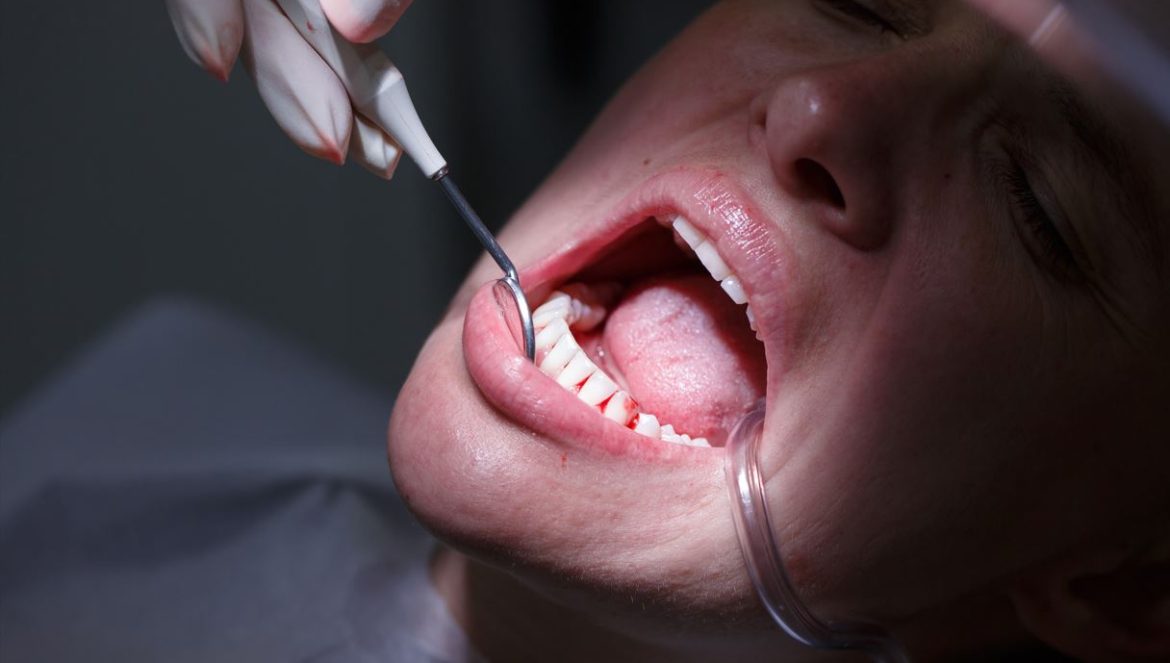
- Easy bleeding gums
- Toothbrush with a pink tint after brushing
- Spitting out blood when using the dental floss or brush
- Having bad breath and having gum and tooth decay
- Loss of teeth or crooked teeth
- Difficulty chewing
- Spacing between your teeth widening
- Your teeth appearing to be longer than usual (because of receding gums pulling away from them)
Visit a dentist if you have any of the above symptoms.

Causes of Periodontitis
Periodontitis often develops from plaque, a sticky film made primarily of bacteria that forms over teeth.
Plaque might potentially develop into periodontitis if untreated, when sugars and carbohydrates from food combine with bacteria that are naturally present in your mouth, plaque is created on your teeth. Plaque is removed by brushing your teeth twice a day and flossing once a day, but plaque quickly builds again. If plaque is left on your teeth, it can develop under your gum line into tartar (calculus). Tartar contains a lot of germs and is more difficult to get rid of.
Plaque and tartar can do greater harm to your teeth the longer they are allowed to build up. Tartar cannot be removed by brushing and flossing; a professional tooth cleaning is required.
The mildest type of gum disease, gingivitis, can be brought on by plaque and is an irritation and inflammation of the gum tissue that surrounds the tooth’s root (gingiva). With medical assistance and appropriate dental hygiene practices at home, gingivitis can be cured.
What puts you at risk of developing Periodontitis?
You may be more susceptible to developing periodontitis if you have:
- Gingivitis
- Poor oral hygiene practices
- Chewing or smoking tobacco
- Hormonal changes, such as those brought on by menopause or pregnancy
- Recreational drug usage, such as vaping or smoking marijuana
- Obesity
- Inadequate dietary intake, especially a lack of vitamin C
- Genetics
- Taking drugs that result in gum abnormalities or dry mouth
Diseases including leukemia, HIV/AIDS, and types of cancer therapy that lower immunity as well as conditions such as diabetes, rheumatoid arthritis, and Crohn’s disease may also put you at risk for gum disease.
Complications
Tooth loss may result from periodontitis. Through gum tissue, the bacteria that cause periodontitis can enter your bloodstream and potentially impact other areas of your body. For instance, there are associations between periodontitis and respiratory conditions, rheumatoid arthritis, coronary artery disease, and issues with blood sugar regulation in those with diabetes.

Preventing Periodontitis
Adhering to a schedule of dental care is the best approach to preventing periodontitis. This should be done on a regular basis throughout your life, starting when you are young.
You must brush your teeth for two minutes at least twice daily—in the morning and before bed—and floss at least once. You can remove the germs and loosen food particles by flossing before brushing. Maintaining good oral hygiene stops the environment surrounding your teeth from being friendly to bacteria that cause periodontal disease.
Additionally, visit your dentist regularly, every six to twelve months. You might require professional cleaning more frequently if you smoke.
Disclaimer
BahrainHealthMatters.com is for informative purposes only and not a substitute for professional in person expertise.
We advise that anyone having concerns about their health issues should consult their doctor asap.