It makes sense that we’ll use technology to exercise for us given that our high-tech environment is already home to smart appliances, cameras, phones, and even social robots.
According to research done on obese mice, whole body vibration (WBV) may be just as beneficial to the health of your muscles and bones as regular exercise when it comes to dealing with some of the side effects of obesity and diabetes. WBV involves sitting, standing, or lying on a machine with a vibrating platform. The body receives energy from the machine as it vibrates, which causes the muscles to contract and relax several times every second. The science behind WBV is reliable. When a platform vibrates, it almost instantly makes your muscles clench.
This makes WBV a great place to start for people who are overweight and have mobility issues. However, just like with any other sort of exercise, you will hit a limit. When your body becomes accustomed to it, adding another unit of that activity won’t have much of an impact on your body.
Despite that, no matter how much technology is incorporated into training, the body still needs to move. Humans are a lot like cars. Your car will no longer function if you leave it in the garage for 30 years, but if you switch it on a few times a month, it will still be usable. Hearts are like engines, pumping blood to working muscles as they move. Your heart will be able to provide your muscles with blood, oxygen, and nutrients more quickly if you move.
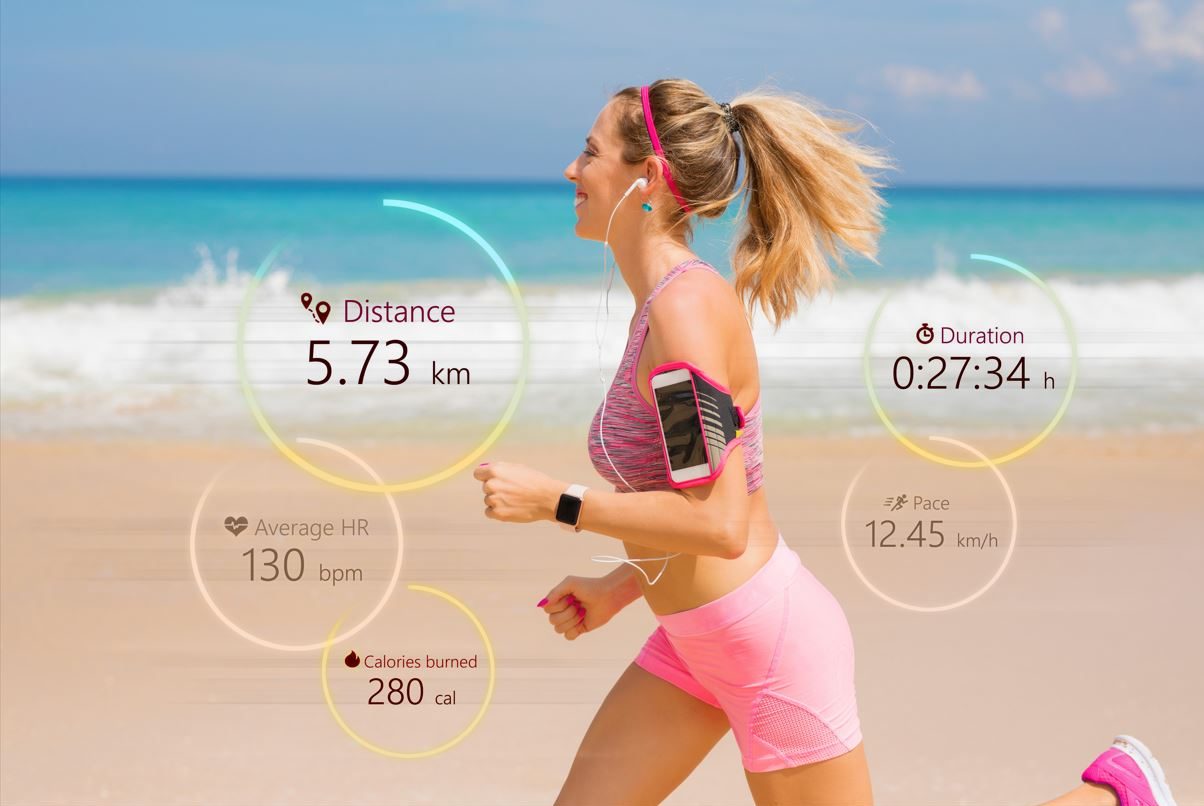
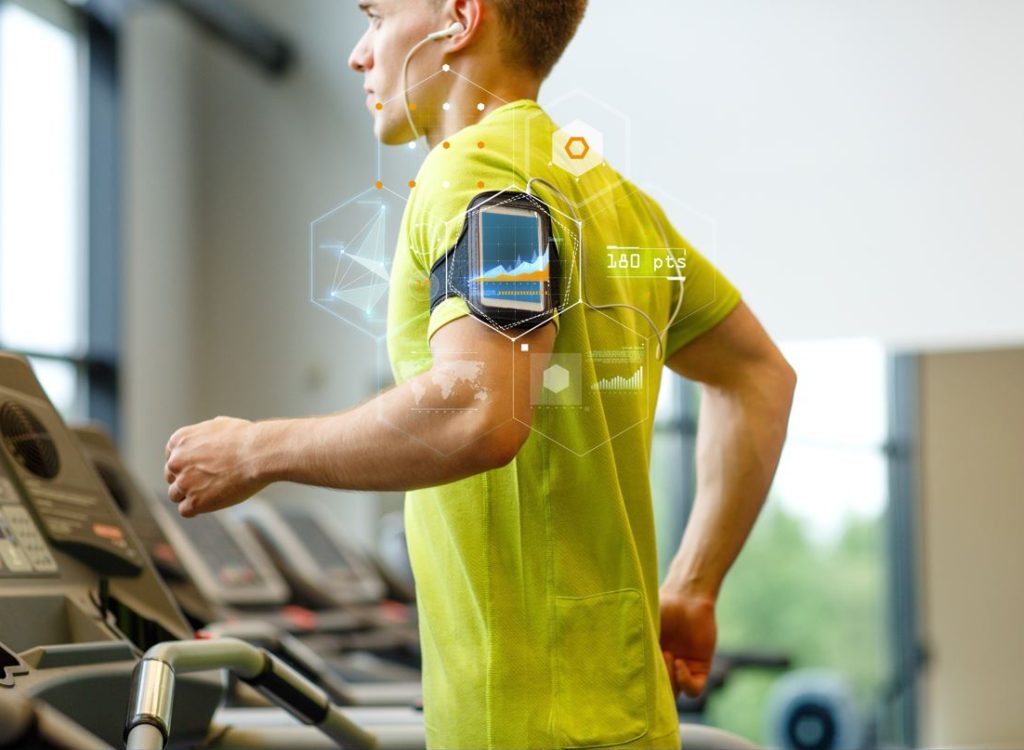
It’s also important that this movement is tracked, and that is where technology can play a more useful role. Technology can help people measure their fitness objectives and be motivated to improve their food and training routines, with so many new fitness apps coming out every year.
If fitness technology doesn’t change how people work out, how will it affect the future of fitness?
Fit people pay less for health insurance
As more people start using wearable fitness trackers and monitoring applications, it is likely that the data collected during the usage of these apps will be used to decide how much your health insurance will cost.
Some companies around the world have already started providing their employees with additional incentives, credits, and funds for health insurance premiums if they reach a minimal level of performance. This means that employees would have to send their fitness tracker information once a month or every three months to their health providers to obtain the best prices.
Smart textiles will get even smarter
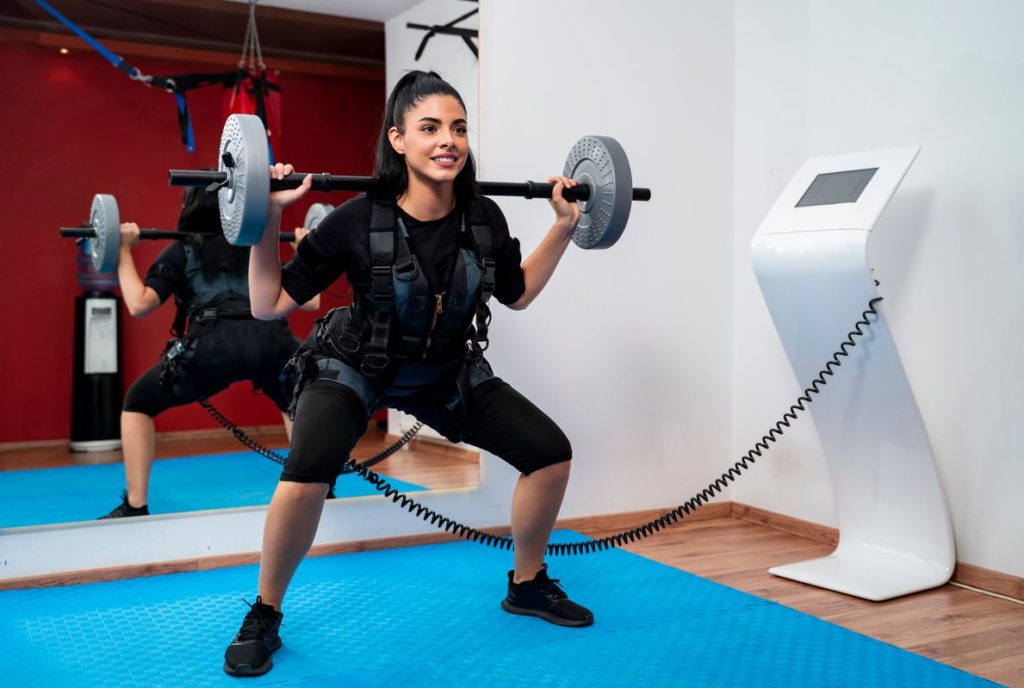
In the near future, smart textiles will probably include sensing features that will improve users' ability to monitor and perform their activities, with their prices and durability decreasing, and pushing them farther into the global garment and accessory industry.
Home improvements
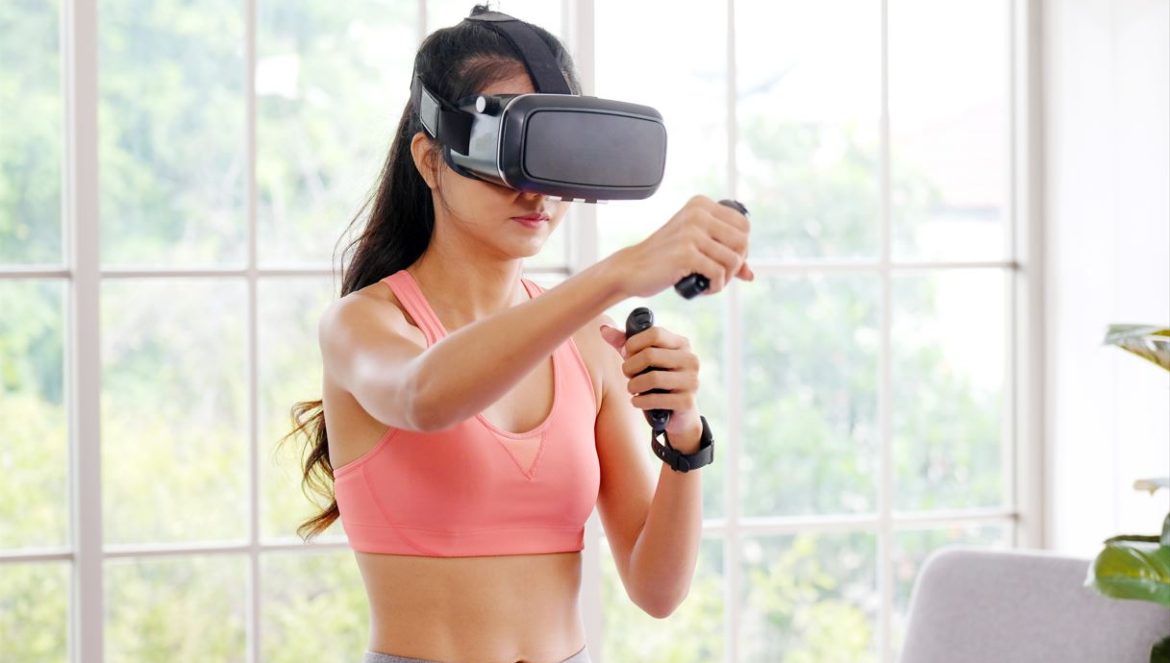
In-home fitness technologies, such as the capability to broadcast exercises from your house. Even today, we can participate in live classes happening in countries across the world right from our living rooms. It is very likely, that these kinds of services will become more commonplace and possibly even get rid of traditional fitness studios completely. People would no longer see the point in signing up for more expensive classes at local studios.
Could fitness become an escape from technology?
With so much technology in our lives, most people might end up choosing low-tech fitness options. Lots of times, people just want to go outside, disconnect, work out at the gym and forget about their emails and spreadsheets. Fitness allows us to spend an hour or two away from the screen and gives us an opportunity to engage with our friends and the people we work out with.
Disclaimer
BahrainHealthMatters.com is for informative purposes only and not a substitute for professional in person expertise.
We advise that anyone having concerns about their health issues should consult their doctor asap.