

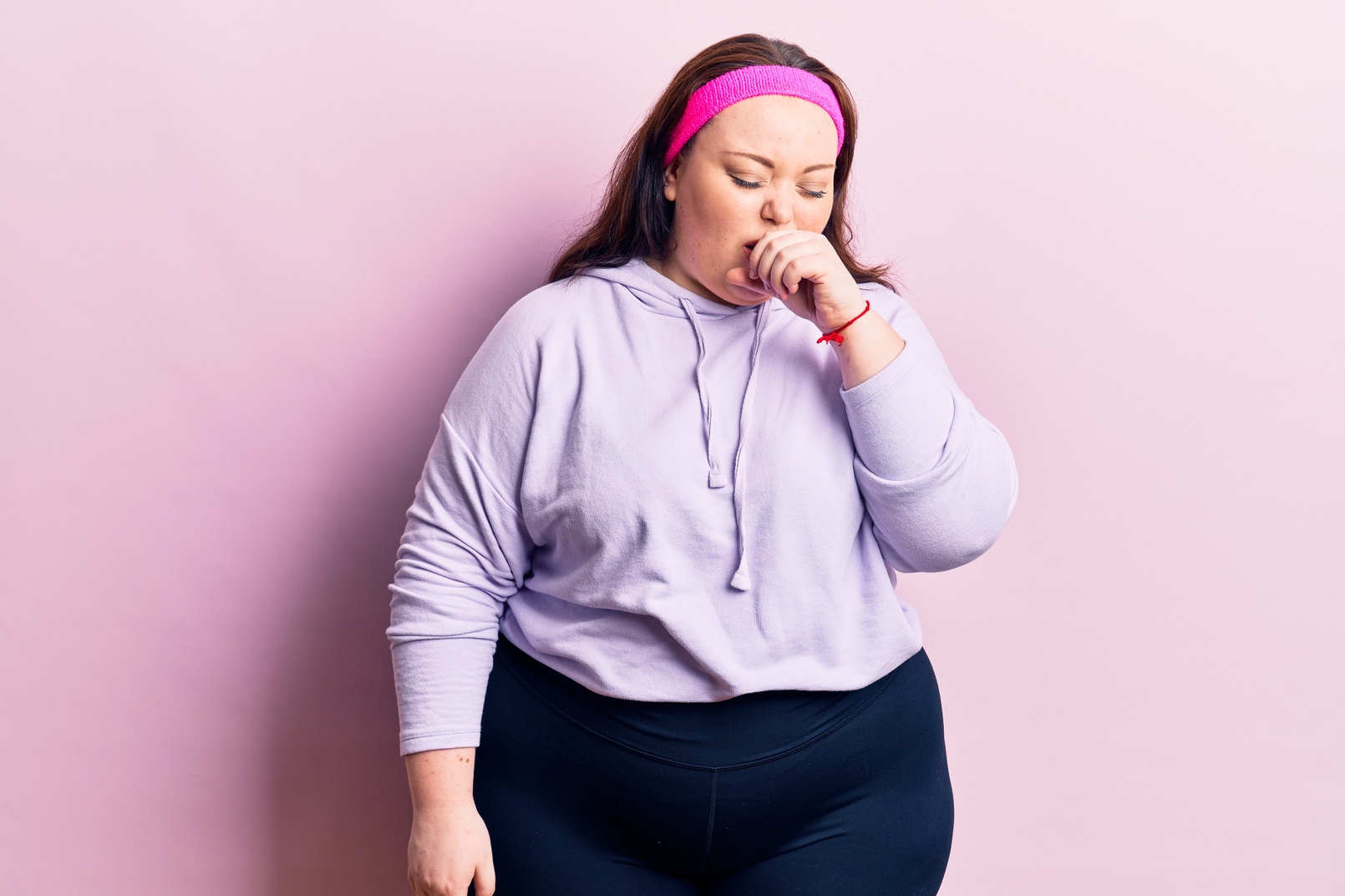
The words “overweight” and “obesity” describe having too much body fat, which in itself can have adverse effects on your health. The most commonly used measure of weight status today is the body mass index or BMI.
The Body Mass Index (BMI)
Body mass index (BMI) is a formula that computes an individual’s weight and height to determine their body size. A person’s weight in proportion to their height is roughly calculated using their BMI.
Having a BMI of 30.0 or more in adults is classified as obese. Obesity raises the chance of developing major conditions such as type 2 diabetes, heart disease, and cancer.
BMI isn’t everything, though. Its limitations as a measure are numerous. The association between BMI and body fat can be influenced by variables including age, sex, ethnicity, and muscle mass. Additionally, the BMI makes no distinction between extra fat, muscle mass, or bone density. Despite these drawbacks, BMI is still often employed as a tool for determining body size.
What kinds of obesity are there?
Adults who are at least 20 years old can fall under the following categories:
- Underweight: BMI class 18.5 or below
- Normal: 18.5 to 25.0
- Overweight: 25.0 to 30.0
- Class 1 obesity: 30.0 to 35.0
- Class 2 obesity: 35.0 to 40.0
- Class 3 obesity: 40.0 or above (also known as morbid, extreme, or severe obesity)

Causes of obesity
Obesity can develop over time if you consume more calories than you expend via regular exercise and everyday activities. These excess calories accumulate over time and lead to weight gain.
However, it’s not always simply about how many calories you consume and expend or how active you are. Although these can contribute to obesity, some of them are out of your control:
- Genetics: Certain persons struggle to reduce weight because of their genes. Genetics can alter how your body converts food into energy and how fat is stored.
- Aging: Aging can result in decreased muscle mass and a higher risk of heart disease, and result in reduced muscle mass, and a slower metabolic rate, making it easier to gain weight.
- Sleep: Not getting enough sleep can cause hormonal changes that make you feel hungrier and want specific high-calorie meals.
- Pregnancy: There is a possibility that weight acquired during pregnancy may be difficult to reduce and eventually result in obesity.
- Community and environment: How and what you consume, as well as how active you are, may all be influenced by your surroundings at home, at school, and in your community.
Weight gain and obesity can also be caused by specific medical disorders. These consist of:
- Polycystic ovarian syndrome (PCOS): PCOS disrupts the balance of female reproductive hormones.
- Prader-Willi syndrome: Overeating is a symptom of the uncommon disorder Prader-Willi syndrome, which is present at birth.
- Cushing syndrome: High quantities of the stress hormone cortisol (which causes Cushing syndrome) in the body.
- Hyperthyroidism: Underactive thyroid, or hypothyroidism, is a disorder when the thyroid gland doesn’t generate enough of certain essential hormones.
- Osteoarthritis: Osteoarthritis and other painful disorders may result in decreased physical activity
You could be more vulnerable to developing obesity if you:
- Reside in an area where there are few healthy food alternatives or numerous high-calorie food options, such as fast-food restaurants.
Haven’t learned how to prepare healthy meals, and don’t think you’ll be able to change that

What are the risks associated with obesity?
The effects of obesity extend beyond simply weight increase.
Your bones and internal organs are put under stress when your body fat to muscle ratio is excessive. Additionally, it heightens the body’s inflammatory response, which is known to be a cancer risk factor. A significant risk factor for type 2 diabetes is obesity.
Which alterations to one's way of life and conduct can aid in weight loss?
- A doctor can inform you about dietary options and assist in creating a personalized healthy eating plan for you.
- Your strength, endurance, and metabolism can improve with an organized exercise program and more frequent activity – up to 300 minutes each week.
- Counseling or support groups can also help you cope with any anxiety, despair, depression or emotional eating disorders by identifying harmful triggers.
Unless very overweight, lifestyle and behavioral adjustments are the ideal weight loss strategies.
What drugs are recommended for weight loss?
In addition to dietary and exercise regimens, your doctor may also recommend certain prescription weight-loss drugs. In most cases, medication is often only provided if other weight loss strategies have failed and if you also have obesity-related health problems and a BMI of 27.0 or above.
Nonsurgical treatments, however, aren’t always successful in helping obese patients lose weight and lower their risk for comorbidities.
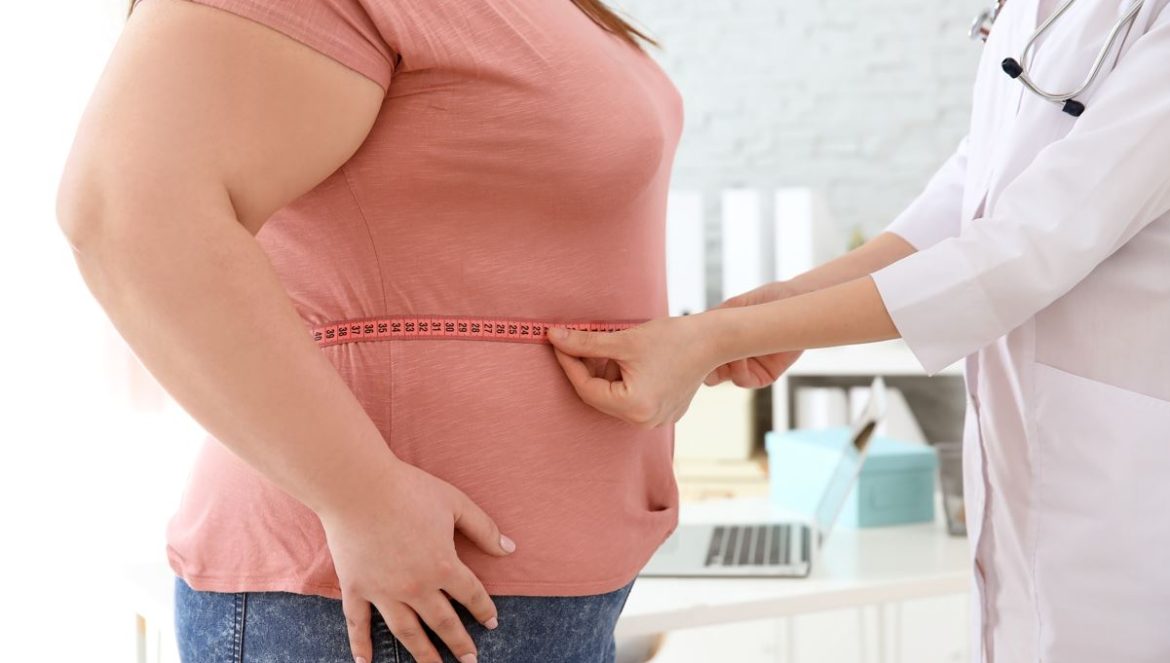
Surgeries for obesity
Several procedures for weight reduction include:
- Surgery to remove the stomach: In this treatment, your surgeon makes a tiny pouch that attaches to your small intestine right at the top of your stomach. Food and liquids skip the majority of the stomach by going through the pouch and into the intestine. The Roux-en-Y gastric bypass (RYGB) procedure is another name for it.
- Adjustable laparoscopic gastric band: Your stomach is divided into two pouches by this procedure using a band.
- Gastric sleeve operation: Part of your stomach is removed during this treatment.
- Duodenal switch with a biliopancreatic diversion: Your stomach is mostly removed during this treatment.
Experts have long advised that weight-loss surgery should only be allowed for those with a BMI of at least 35.0 – classes 2 and 3, with the following exceptions:
- If the patient has another directly linked condition, particularly type 2 diabetes, and has not shown long-lasting improvement with nonsurgical interventions including dietary and lifestyle changes.
- if the patient must lose weight to be able to undergo another required surgery.
Additionally, patients must go through therapy to make sure they are both psychologically and emotionally prepared for the procedure and willing to make the required lifestyle adjustments.

How can obesity be avoided?
Over the past two decades, obesity and obesity-related disorders have dramatically increased. To help reverse the tide of obesity must all promote healthier eating options and activities.
By adopting a better lifestyle, we can personally prevent weight gain and obesity:
- Aim for 20 to 30 minutes each day of moderate activity, such as walking, swimming, or bicycling.
- Choose healthy foods like fruits, vegetables, and lean protein to improve your diet.
- Consume meals heavy in calories and fat in moderation.
Disclaimer
BahrainHealthMatters.com is for informative purposes only and not a substitute for professional in person expertise.
We advise that anyone having concerns about their health issues should consult their doctor asap.