Oral Cancer

by gdnadmin

Any cancer that appears in the mouth is referred to as mouth cancer (oral cavity).

Mouth cancer can develop on the following:

  • Lips
  • Gums
  • Tongue
  • Cheek lining on the inside
  • Roof of the mouth
  • Inside of the mouth (under the tongue)

Oral cancer and oral cavity cancer are two more names for cancer that develop on the interior of the mouth. One of the cancers included in the head and neck cancer is mouth cancer. Treatment for head and neck malignancies, including mouth cancer, is typically the same.

Symptoms

Mouth cancer symptoms and signs might include:

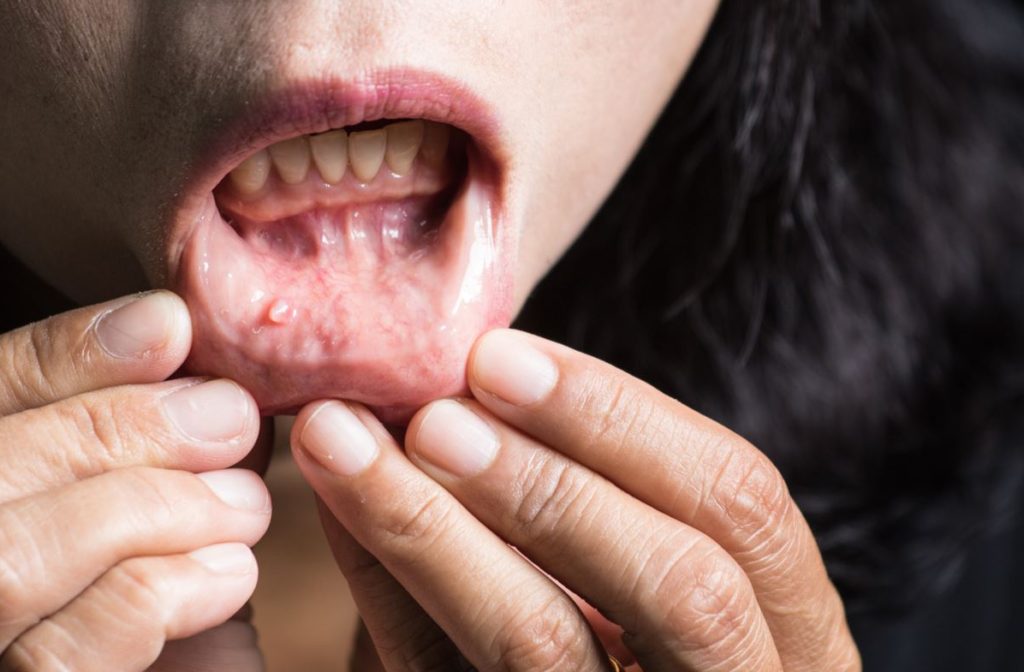
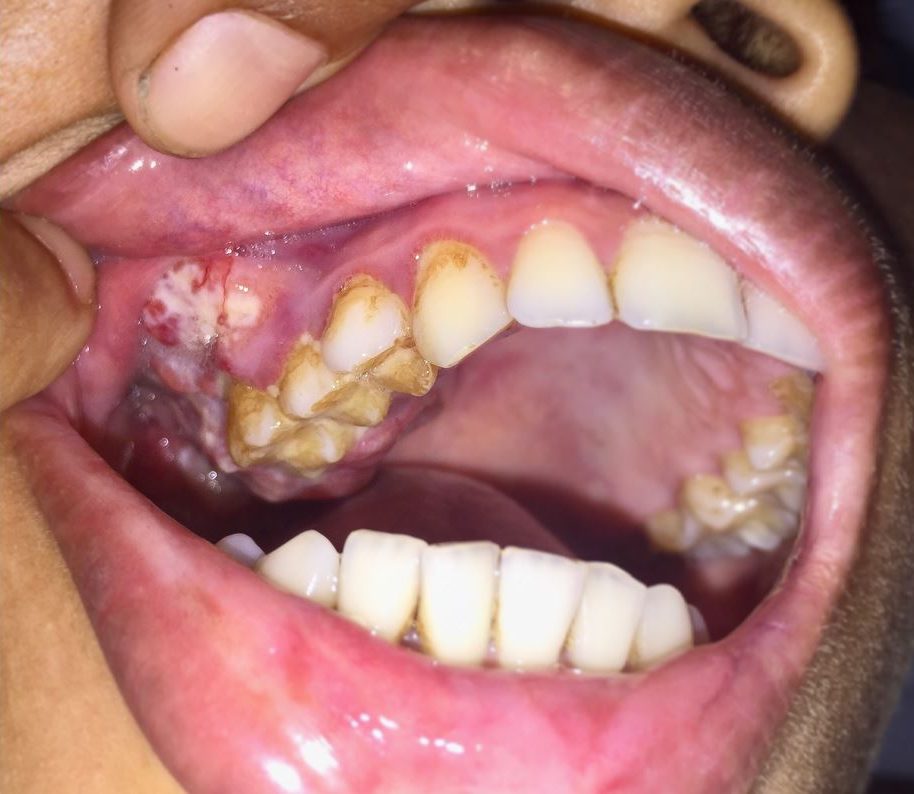
  • A mouth or lip sore that doesn’t go away
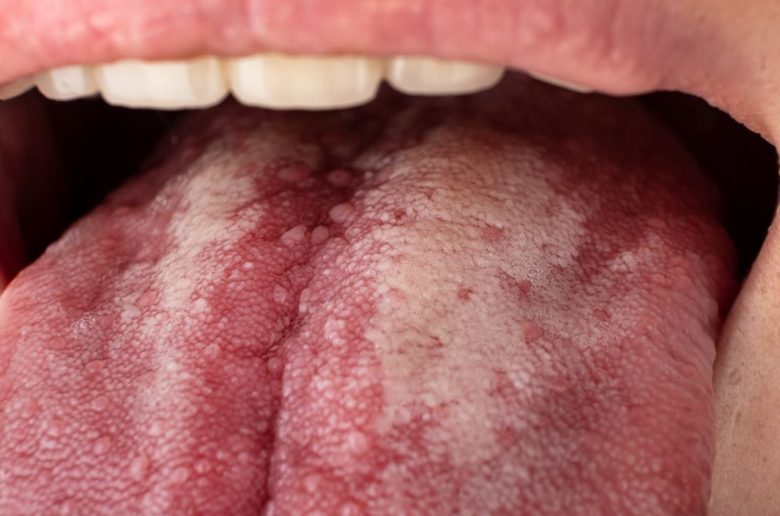
  • A spot inside of your mouth that is either white or red
  • Loose teeth
  • A growth inside your mouth
  • Mouth ache
  • An earache
  • Difficulty swallowing or discomfort when swallowing

You must visit a doctor if you experience any bothersome symptoms that continue longer than two weeks. Your doctor would probably start by looking at less unusual explanations for your symptoms, including an infection.

Causes

Mouth cancers originate when cells in the mouth or on the lips experience DNA alterations (mutations). The instructions that inform a cell what to do are encoded in its DNA. When healthy cells would normally stop growing and dividing, mutations signal the cells to keep doing so. A tumor might develop when abnormal mouth cancer cells accumulate. They may eventually expand from the inside of the mouth to other regions of the head, neck, or the entire body.

The flat, thin cells (squamous cells) that border your lips and the inside of your mouth are where mouth cancers most frequently start. Squamous cell carcinomas make up the majority of oral malignancies. The alterations in squamous cells that result in mouth cancer are not well understood.

What puts you at risk?

Several things can raise your chance of developing mouth cancer, such as:

  • Any type of tobacco usage
  • Heavy drinking
  • Increased exposure to the sun on your lips
  • Human papillomavirus, a sexually transmitted disease (HPV)
  • Immune system dysfunction

The flat, thin cells (squamous cells) that border your lips and the inside of your mouth are where mouth cancers most frequently start. Squamous cell carcinomas make up the majority of oral malignancies. The alterations in squamous cells that result in mouth cancer are not well understood.

How can you prevent oral cancer?

  • Stop smoking or refrain from starting. Smoking or chewing tobacco exposes the cells in your mouth to potentially harmful substances that might cause cancer.
  • If you do consume alcohol, do it in moderation. Chronically consuming too much alcohol might irritate your mouth’s cells, increasing your risk of developing mouth cancer. If you decide to consume alcohol, do so sparingly: not more than one drink a day.
  • Don’t expose your lips to the sun too much. When possible, stay in the shade to avoid burning the skin on your lips. Put on a hat with a wide brim so you can adequately cover your mouth and the rest of your face. As part of your regular sun protection practice, use a lip sunscreen cream.
  • Visit the dentist frequently. Ask your dentist to check your whole mouth as part of a standard dental examination for any abnormalities that might be signs of mouth cancer or precancerous alterations.

Disclaimer

BahrainHealthMatters.com is for informative purposes only and not a substitute for professional in person expertise.
We advise that anyone having concerns about their health issues should consult their doctor asap.

Leave a Comment

Want to support the Health Matters Expo

Corporate Office

Feature Posts

Newsletter