

Despite the lack of awareness about PCOS, it is not a recent illness. In 1721, Italian physician Antonio Vallisneri initially outlined its signs.
Polycystic ovarian syndrome (PCOS) affects hormone levels in women. Male hormones are produced in greater quantities than usual in women with PCOS. Their bodies skip menstruation cycles as a result of this hormonal imbalance, which also makes it more difficult for affected women to become pregnant. Many women do not even realize they have PCOS. Up to 70% of women with PCOS remain undiagnosed.
Baldness and hair growth on the face and body are additional effects of PCOS. Additionally, it can exacerbate chronic health issues, including diabetes and heart disease. The hormone imbalance can be corrected, and symptoms can be improved with the use of birth control tablets and diabetic medications (which treat insulin resistance, a characteristic of PCOS).
What is PCOS?
The reproductive organs that generate progesterone and estrogen, which control the menstrual cycle, are affected by PCOS in women. A limited quantity of androgens, which are male hormones, are also produced by the ovaries.
The ovaries release eggs that a man’s sperm can fertilize during the ovulation period. Ovulation refers to the monthly release of an egg. PCOS is a “syndrome,” or collection of symptoms, that has an impact on ovulation and the ovaries in the following three ways:
- Cysts in the ovaries
- Irregular or missed periods
- High levels of male hormones
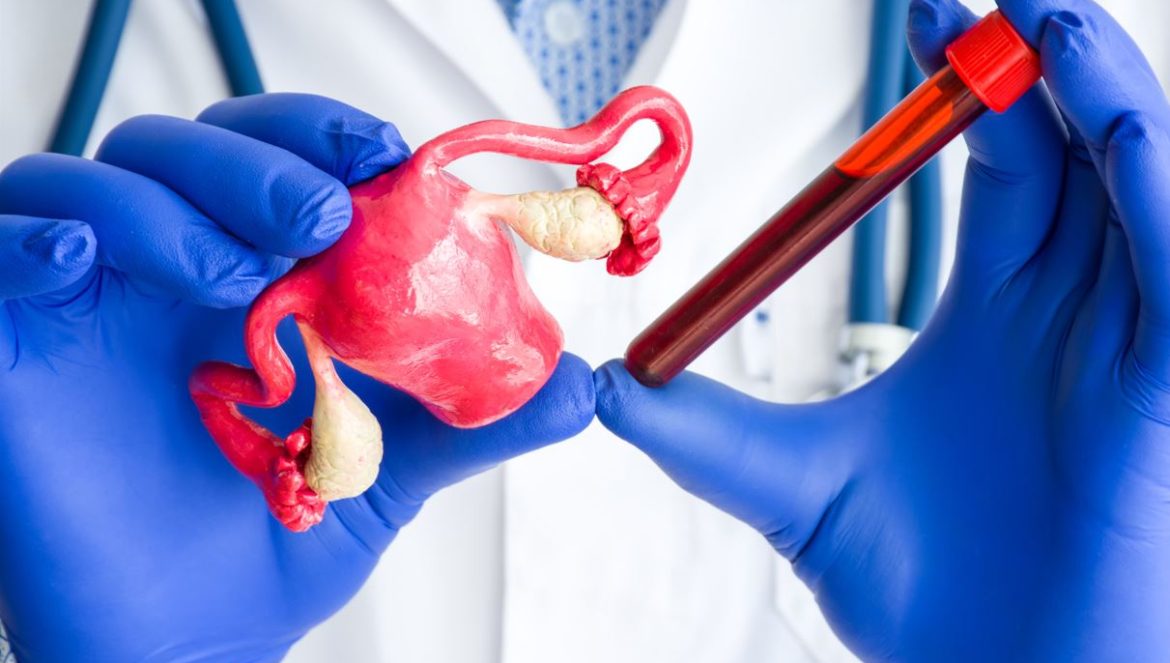
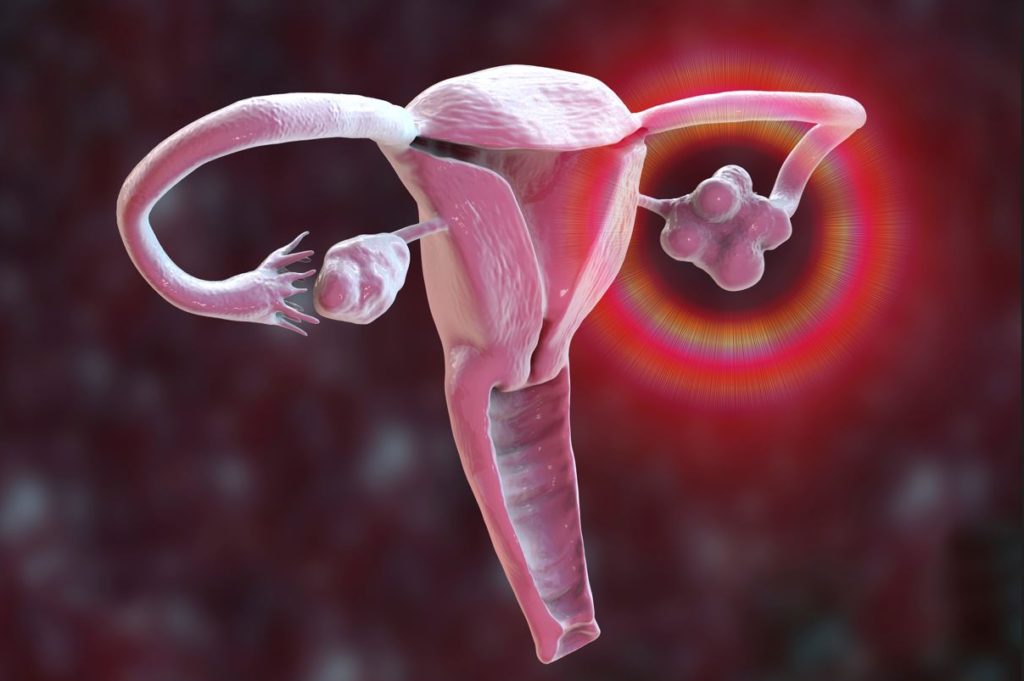
In PCOS, the ovaries develop a large number of tiny sacs filled with fluid. “Many cysts” is what the word “polycystic” signifies. Each of these sacs is a follicle that houses an immature egg. Because of this, these eggs never mature enough to start ovulation. Estrogen, progesterone, and other important hormone levels are changed by the absence of ovulation. While androgen levels are greater than usual, progesterone levels are lower.
The menstrual cycle becomes disrupted by extra male hormones, so women with PCOS get fewer periods than usual because excess male hormones interfere with the menstrual cycle.
What triggers it?
Doctors are unsure of why it occurs but suspect that excessive quantities of male hormones inhibit the ovaries from regularly releasing eggs and hormones. Excess androgen production has been associated with genes, insulin resistance, and inflammation.
- Genetics: Gene studies reveal that PCOS is inherited. It’s likely that more than one gene, not just one, affects the illness.
- Insulin sensitivity: Up to 70% of PCOS patients develop insulin resistance, which prevents their cells from adequately using insulin. The pancreas secretes the hormone insulin to facilitate the body’s use of dietary sugar for energy. The body requires more insulin when cells can’t adequately utilize it. To make up for this, the pancreas produces extra insulin. The ovaries create more male hormones in response to increased insulin levels. The main contributor to insulin resistance is obesity. Your risk of developing type 2 diabetes can be increased by both weight and insulin resistance.
- Inflammation: PCOS patients frequently have higher than average amounts of inflammation in their bodies. Inflammation can also be exacerbated by being overweight. Studies have connected elevated testosterone levels with excessive inflammation.
Symptoms
- Irregular periods: The uterine lining cannot shed every month if there is no ovulation. Some PCOS patients have fewer than eight cycles or none at all per year.
- Severe period pain: The hormone imbalance can make periods very painful, causing cramping and bloating.
- Severe bleeding and large clots: Because the uterine lining develops over a prolonged length of time, When you do get periods, they may be thicker than usual since the uterine lining has had more time to thicken up.
- Excessive hair growth: With this illness, more than 70% of women develop hair on their face and body, including on their back, abdomen, and chest. We refer to excessive hair growth as hirsutism.
- Acne: On the face, chest, and upper back, male hormones can make the skin oilier than usual and lead to breakouts.
- Weight gain: Up to 80% of PCOS-afflicted women are obese or overweight.
- Baldness with a male pattern: The scalp’s hair may become thinning or fall off.
- Darkening skin tone: Under bodily creases like those on the neck, in the crotch, and under the breasts can develop dark patches of skin.
- Headaches: For some women, hormonal fluctuations might result in headaches.
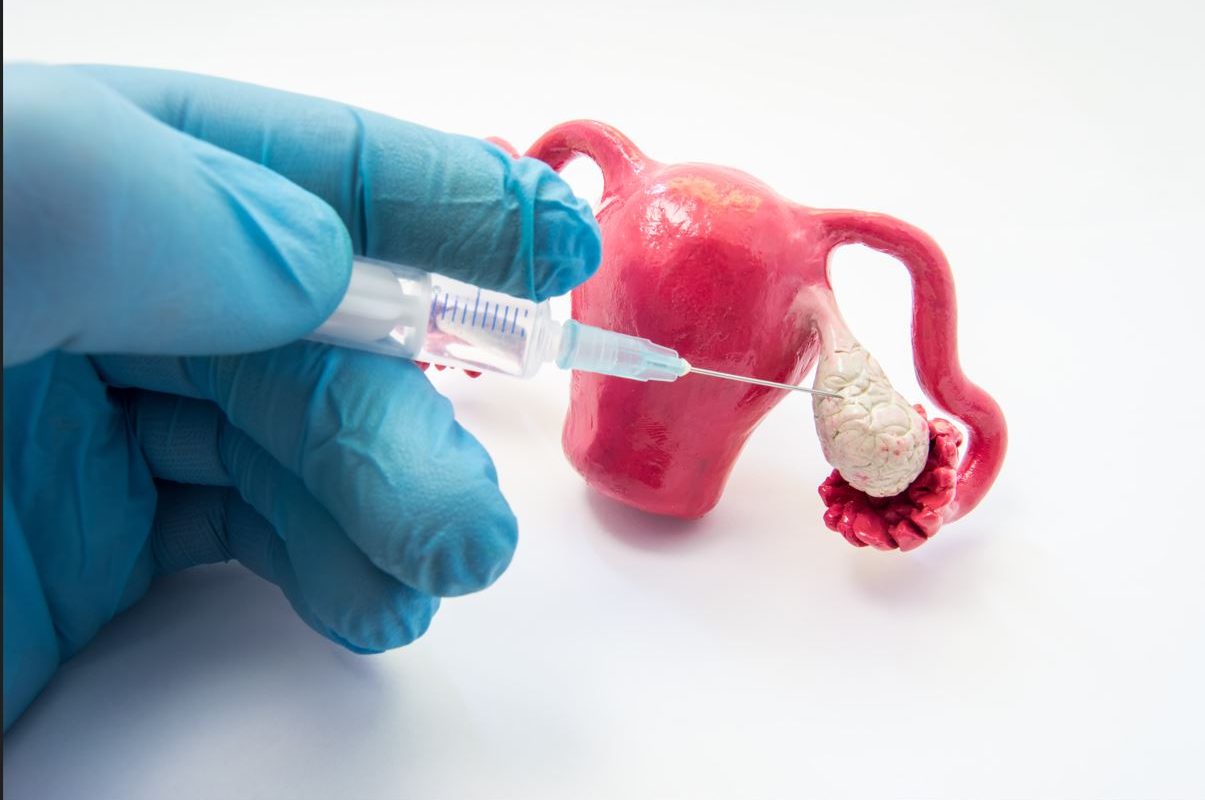
The physical effects of PCOS
Your fertility and other elements of your health may be impacted by having androgen levels that are greater than usual. Infertility is a noteworthy effect of PCOS. Ovulation is a prerequisite for conception. Fewer eggs are released for fertilization by women who don’t ovulate consistently. PCOS may also cause:
- Elevated blood sugar
- Elevated blood pressure
- A low level of HDL “good” cholesterol
- Elevated LDL “bad” cholesterol
The combination of these elements is known as metabolic syndrome, and it raises the risk for diabetes, heart disease, and stroke. Additional consequences include:
- Sleep apnea: Women who are overweight are more likely to develop sleep apnea, particularly if they also have PCOS. Those with obesity and PCOS are at a 5–10 times greater risk of developing sleep apnea than women without PCOS.
- Uterine cancer: The uterine lining sheds during ovulation. The lining might accumulate if you don’t ovulate every month. Your chances of developing cancer increase if your uterus becomes thicker.
- Depression: Your emotions might be severely impacted by both hormonal changes and symptoms like uncontrollable hair growth. Depression and anxiety are inevitable side effects for many PCOS patients.
Diagnosing PCOS
Women with at least two of these three symptoms are frequently diagnosed with PCOS by doctors:
- High amounts of androgen
- Irregular and/or painful periods
- Cysts in the ovaries
The diagnosis can be confirmed by an ultrasound, blood testing, and pelvic examination.
Disclaimer
BahrainHealthMatters.com is for informative purposes only and not a substitute for professional in person expertise.
We advise that anyone having concerns about their health issues should consult their doctor asap.