
Overview
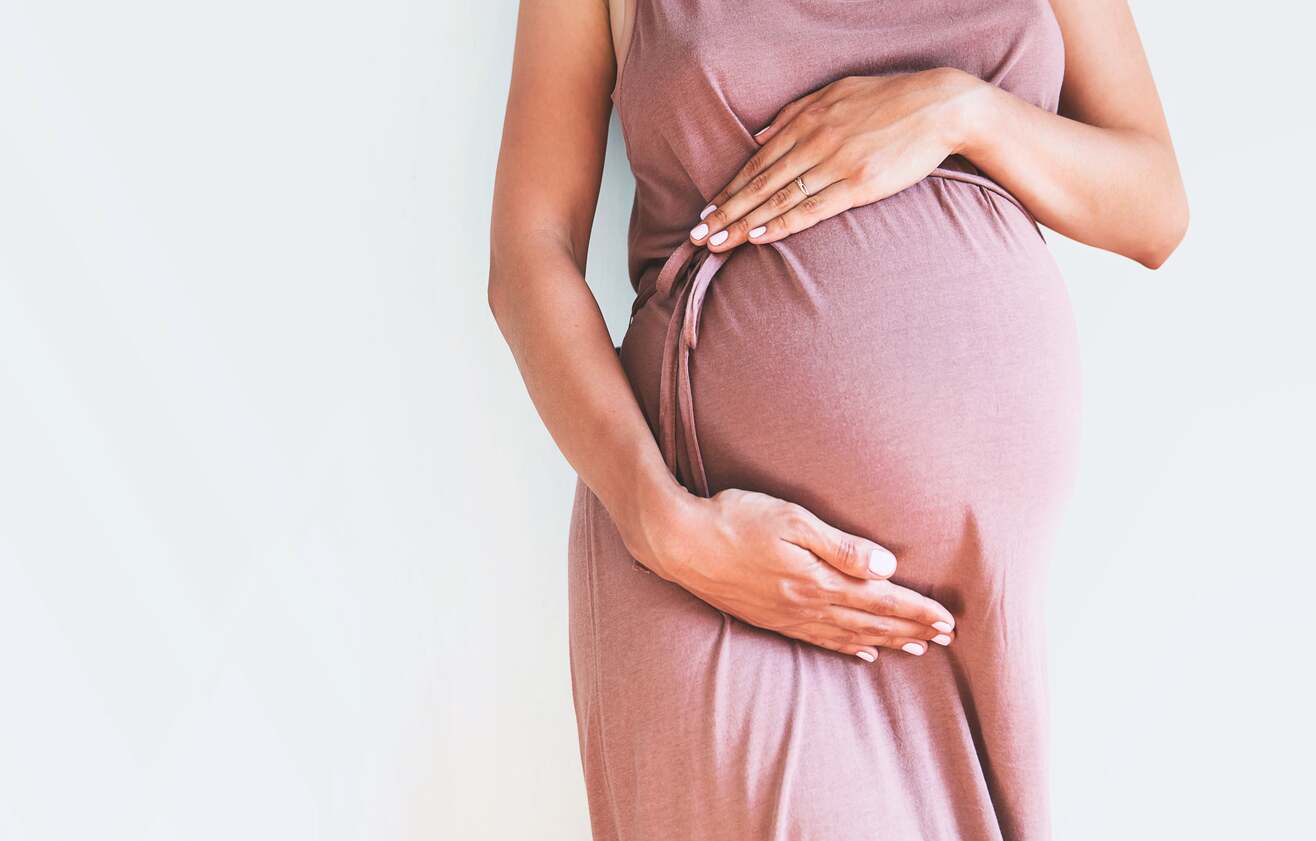
Pregnancy occurs when a sperm fertilizes an egg after it’s released from the ovary during ovulation. The fertilized egg then travels down into the uterus, where implantation occurs. A successful implantation results in pregnancy.
On average, a full-term pregnancy lasts 40 weeks. There are many factors that can affect a pregnancy. Women who receive an early pregnancy diagnosis and prenatal care are more likely to experience a healthy pregnancy and give birth to a healthy baby.
Knowing what to expect during the full pregnancy term is important for monitoring both your health and the health of the baby. If you’d like to prevent pregnancy, there are also effective forms of birth control you should keep in mind.
Symptoms of pregnancy
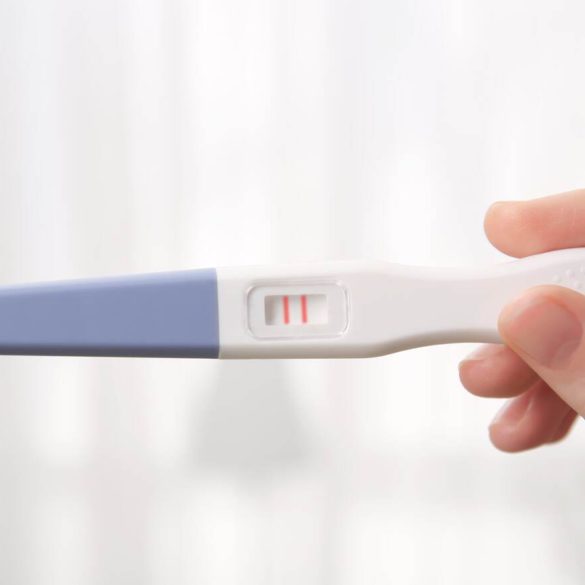
You may notice some signs and symptoms before you even take a pregnancy test. Others will appear weeks later, as your hormone levels change.
Missed period
A missed period is one of the earliest symptoms of pregnancy (and maybe the most classic one). However, a missed period doesn’t necessarily mean you’re pregnant, especially if your cycle tends to be irregular.
There are many health conditions other than pregnancy that can cause a late or missed period.
Headache
Headaches are common in early pregnancy. They’re usually caused by altered hormone levels and increased blood volume. Contact your doctor if your headaches don’t go away or are especially painful.
Spotting
Some women may experience light bleeding and spotting in early pregnancy. This bleeding is most often the result of implantation. Implantation usually occurs one to two weeks after fertilization.
Early pregnancy bleeding can also result from relatively minor conditions such as an infection or irritation. The latter often affects the surface of the cervix (which is very sensitive during pregnancy).
Early pregnancy bleeding can also result from relatively minor conditions such as an infection or irritation. The latter often affects the surface of the cervix (which is very sensitive during pregnancy).
Weight gain
You can expect to gain between 1 and 4 pounds in your first few months of pregnancy. Weight gain becomes more noticeable toward the beginning of your second trimester.
Constipation
Hormone changes during early pregnancy can slow down your digestive system. As a result, you may become constipated.
Pregnancy-induced hypertension
High blood pressure, or hypertension, sometimes develops during pregnancy. A number of factors can increase your risk, including:
- being overweight or obese
- smoking
- having a prior history or a family history of pregnancy-induced hypertension
Heartburn
Hormones released during pregnancy can sometimes relax the valve between your stomach and esophagus. When stomach acid leaks out, this can result in heartburn.
Cramps
As the muscles in your uterus begin to stretch and expand, you may feel a pulling sensation that resembles menstrual cramps. If spotting or bleeding occurs alongside your cramps, it could signal a miscarriage or an ectopic pregnancy.
Heartburn
Hormones released during pregnancy can sometimes relax the valve between your stomach and esophagus. When stomach acid leaks out, this can result in heartburn
Back pain
Hormones and stress on the muscles are the biggest causes of back pain in early pregnancy. Later on, your increased weight and shifted center of gravity may add to your back pain. Around half of all pregnant women report back pain during their pregnancy

Anemia
Pregnant women have an increased risk of anemia, which causes symptoms such as lightheadedness and dizziness.
The condition can lead to premature birth and low birth weight. Prenatal care usually involves screening for anemia.
Depression
Between 14 and 23 percent of all pregnant women develop depression during their pregnancy. The many biological and emotional changes you experience can be contributing causes.
Be sure to tell your doctor if you don’t feel like your usual self.
Insomnia
Insomnia is another common symptom of early pregnancy. Stress, physical discomfort, and hormonal changes can be contributing causes. A balanced diet, good sleep habits, and yoga stretches can all help you get a good night’s sleep.
Breast changes
Breast changes are one of the first noticeable signs of pregnancy. Even before you’re far enough along for a positive test, your breasts may begin to feel tender, swollen, and generally heavy or full. Your nipples may also become larger and more sensitive, and the areolae may darken.
Acne
Because of increased androgen hormones, many women experience acne in early pregnancy. These hormones can make your skin oilier, which can clog pores. Pregnancy acne is usually temporary and clears up after the baby is born.
Vomiting
Vomiting is a component of “morning sickness,” a common symptom that usually appears within the first four months. Morning sickness is often the first sign that you’re pregnant. Increased hormones during early pregnancy are the main cause.
Hip pain
Hip pain is common during pregnancy and tends to increase in late pregnancy. It can have a variety of causes, including:
- pressure on your ligaments
- sciatica
- changes in your posture
- a heavier uterus
Diarrhea
Diarrhea and other digestive difficulties occur frequently during pregnancy. Hormone changes, a different diet, and added stress are all possible explanations. If diarrhea lasts more than a few days, contact your doctor to make sure you don’t become dehydrated.
Stress and pregnancy
While pregnancy is usually a happy time, it can also be a source of stress. A new baby means big changes to your body, your personal relationships, and even your finances. Don’t hesitate to ask your doctor for help if you begin to feel overwhelmed.

About Pregnancy
Pregnancy is the term used to describe the period in which a fetus develops inside a woman’s womb or uterus.
Pregnancy usually lasts about 40 weeks, or just over 9 months, as measured from the last menstrual period to delivery. Health care providers refer to three segments of pregnancy, called trimesters. The major events in each trimester are described below.
First Trimester (Week 1 to Week 12)
The events that lead to pregnancy begin with conception, in which a sperm penetrates an egg. The fertilized egg (called a zygote) then travels through the woman's fallopian tube to the uterus, where it implants itself in the uterine wall. The zygote is made up of a cluster of cells that later form the fetus and the placenta. The placenta connects the mother to the fetus and provides nutrients and oxygen to the fetus.
During the first trimester your body undergoes many changes. Hormonal changes affect almost every organ system in your body. These changes can trigger symptoms even in the very first weeks of pregnancy. Your period stopping is a clear sign that you are pregnant. Other changes may include:
- Extreme tiredness
- Tender, swollen breasts. Your nipples might also stick out.
- Upset stomach with or without throwing up (morning sickness)
- Cravings or distaste for certain foods
- Mood swings
- Constipation (trouble having bowel movements)
- Need to pass urine more often
- Headache
- Heartburn
- Weight gain or loss
As your body changes, you might need to make changes to your daily routine, such as going to bed earlier or eating frequent, small meals. Fortunately, most of these discomforts will go away as your pregnancy progresses. And some women might not feel any discomfort at all! If you have been pregnant before, you might feel differently this time around. Just as each woman is different, so is each pregnancy.
Second Trimester (Week 13 to Week 28)
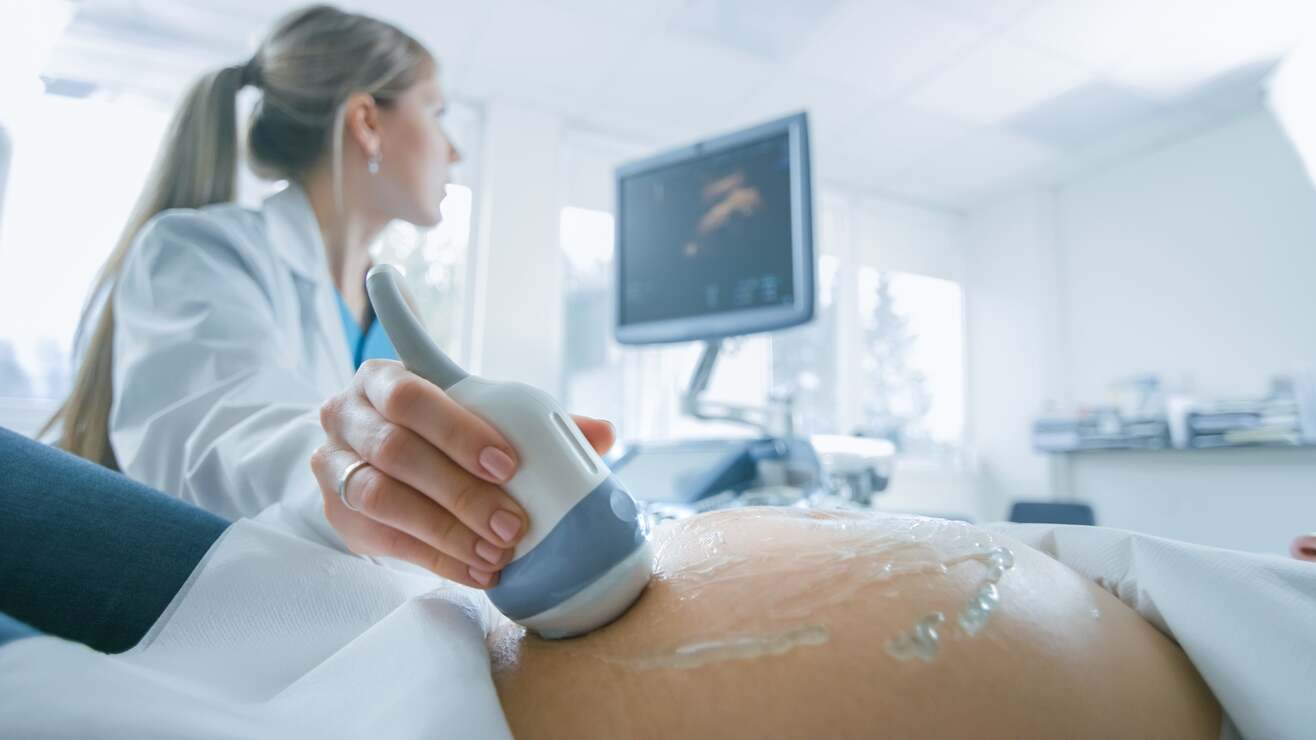
- Between 18 and 20 weeks, the typical timing for ultrasound to look for birth defects, you can often find out the sex of your baby.
- Between 18 and 20 weeks, the typical timing for ultrasound to look for birth defects, you can often find out the sex of your baby.
- At 24 weeks, footprints and fingerprints have formed and the fetus sleeps and wakes regularly.
- According to research from the NICHD Neonatal Research Network, the survival rate for babies born at 28 weeks was 92%, although those born at this time will likely still experience serious health complications, including respiratory and neurologic problems.
Most women find the second trimester of pregnancy easier than the first. But it is just as important to stay informed about your pregnancy during these months.
You might notice that symptoms like nausea and fatigue are going away. But other new, more noticeable changes to your body are now happening. Your abdomen will expand as the baby continues to grow. And before this trimester is over, you will feel your baby beginning to move!
As your body changes to make room for your growing baby, you may have:
- Body aches, such as back, abdomen, groin, or thigh pain
- Stretch marks on your abdomen, breasts, thighs, or buttocks
- Darkening of the skin around your nipples
- A line on the skin running from belly button to pubic hairline
- Patches of darker skin, usually over the cheeks, forehead, nose, or upper lip. Patches often match on both sides of the face. This is sometimes called the mask of pregnancy.
- Numb or tingling hands, called carpal tunnel syndrome
- Itching on the abdomen, palms, and soles of the feet. (Call your doctor if you have nausea, loss of appetite, vomiting, jaundice or fatigue combined with itching. These can be signs of a serious liver problem.)
- Swelling of the ankles, fingers, and face. (If you notice any sudden or extreme swelling or if you gain a lot of weight really quickly, call your doctor right away. This could be a sign of preeclampsia.)

Third Trimester (Week 29 to Week 40)
- At 32 weeks, the bones are soft and yet almost fully formed, and the eyes can open and close.
- Infants born before 37 weeks are considered preterm. These children are at increased risk for problems such as developmental delays, vision and hearing problems, and cerebral palsy. Infants born between 34 and 36 weeks of pregnancy are considered to be "late preterm."
- Infants born in the 37th and 38th weeks of pregnancy - previously considered term - are now considered "early term." These infants face more health risks than infants who are born at 39 weeks or later, which is now considered full term.
- Infants born at 39 or 40 weeks of pregnancy are considered full term. Full-term infants have better health outcomes than do infants born earlier or, in some cases, later than this period. Therefore, if there is no medical reason to deliver earlier, it is best to deliver at or after 39 weeks to give the infant's lungs, brain, and liver time to fully develop.
- Infants born at 41 weeks through 41 weeks and 6 days are considered late term.
- Infants who are born at 42 weeks and beyond are considered post term.
You're in the home stretch! Some of the same discomforts you had in your second trimester will continue. Plus, many women find breathing difficult and notice they have to go to the bathroom even more often. This is because the baby is getting bigger and it is putting more pressure on your organs. Don't worry, your baby is fine and these problems will lessen once you give birth.
Some new body changes you might notice in the third trimester include:
- Shortness of breath
- Heartburn
- Swelling of the ankles, fingers, and face. (If you notice any sudden or extreme swelling or if you gain a lot of weight really quickly, call your doctor right away. This could be a sign of preeclampsia.)
- Hemorrhoids
- Tender breasts, which may leak a watery pre-milk called colostrum
- Your belly button may stick out
- Trouble sleeping
- The baby "dropping", or moving lower in your abdomen
- Contractions, which can be a sign of real or false labor
As you near your due date, your cervix becomes thinner and softer (called effacing). This is a normal, natural process that helps the birth canal to open during the birthing process. Your doctor will check your progress with a pelvic exam as you near your due date. Get excited — the final countdown has begun!
How Your Baby Develops through your Pregnancy
First trimester (week 1-week 12)
At four to five weeks:
- Your baby's brain and spinal cord have begun to form.
- The heart begins to form.
- Arm and leg buds appear.
- Your baby is now an embryo and one-twenty-fifth inch long.
At eight weeks:
- All major organs and external body structures have begun to form.
- Your baby's heart beats with a regular rhythm.
- The arms and legs grow longer, and fingers and toes have begun to form.
- The sex organs begin to form.
- The eyes have moved forward on the face and eyelids have formed.
- The umbilical cord is clearly visible.
- At the end of eight weeks, your baby is a fetus and looks more like a human. Your baby is nearly 1 inch long and weighs less than one-eighth ounce.
At 12 weeks:
- The nerves and muscles begin to work together. Your baby can make a fist.
- The external sex organs show if your baby is a boy or girl. A woman who has an ultrasound in the second trimester or later might be able to find out the baby's sex.
- Eyelids close to protect the developing eyes. They will not open again until the 28th week.
- Head growth has slowed, and your baby is much longer. Now, at about 3 inches long, your baby weighs almost an ounce.
Second trimester (week 13-week 28)
At 16 weeks:
- Muscle tissue and bone continue to form, creating a more complete skeleton.
- Skin begins to form. You can nearly see through it.
- Meconium develops in your baby's intestinal tract. This will be your baby's first bowel movement.
- Your baby makes sucking motions with the mouth (sucking reflex).
- Your baby reaches a length of about 4 to 5 inches and weighs almost 3 ounces.
At 20 weeks:
- Your baby is more active. You might feel slight fluttering.
- Your baby is covered by fine, downy hair called lanugo and a waxy coating called vernix. This protects the forming skin underneath.
- Eyebrows, eyelashes, fingernails, and toenails have formed. Your baby can even scratch itself.
- Your baby can hear and swallow.
- Now halfway through your pregnancy, your baby is about 6 inches long and weighs about 9 ounces.
At 24 weeks:
- Bone marrow begins to make blood cells.
- Taste buds form on your baby's tongue.
- Footprints and fingerprints have formed.
- Real hair begins to grow on your baby's head.
- The lungs are formed, but do not work.
- The hand and startle reflex develop.
- Your baby sleeps and wakes regularly.
- If your baby is a boy, his testicles begin to move from the abdomen into the scrotum. If your baby is a girl, her uterus and ovaries are in place, and a lifetime supply of eggs have formed in the ovaries.
- Your baby stores fat and has gained quite a bit of weight. Now at about 12 inches long, your baby weighs about 1½ pounds.
Third trimester (week 29-week 40)
At 32 weeks:
- Your baby's bones are fully formed, but still soft.
- Your baby's kicks and jabs are forceful.
- The eyes can open and close and sense changes in light.
- Lungs are not fully formed, but practice "breathing" movements occur.
- Your baby's body begins to store vital minerals, such as iron and calcium.
- Lanugo begins to fall off.
- Your baby is gaining weight quickly, about one-half pound a week. Now, your baby is about 15 to 17 inches long and weighs about 4 to 4½ pounds.
At 36 weeks:
- The protective waxy coating called vernix gets thicker.
- Body fat increases. Your baby is getting bigger and bigger and has less space to move around. Movements are less forceful, but you will feel stretches and wiggles.
- Your baby is about 16 to 19 inches long and weighs about 6 to 6½ pounds.
Weeks 37–40:
- At 39 weeks, your baby is considered full-term. Your baby's organs are ready to function on their own.
- As you near your due date, your baby may turn into a head-down position for birth. Most babies "present" head down.
- At birth, your baby may weigh somewhere between 6 pounds 2 ounces and 9 pounds 2 ounces and be 19 to 21 inches long. Most full-term babies fall within these ranges. But healthy babies come in many different sizes.
Disclaimer
BahrainHealthMatters.com is for informative purposes only and not a substitute for professional in person expertise.
We advise that anyone having concerns about their health issues should consult their doctor asap.