

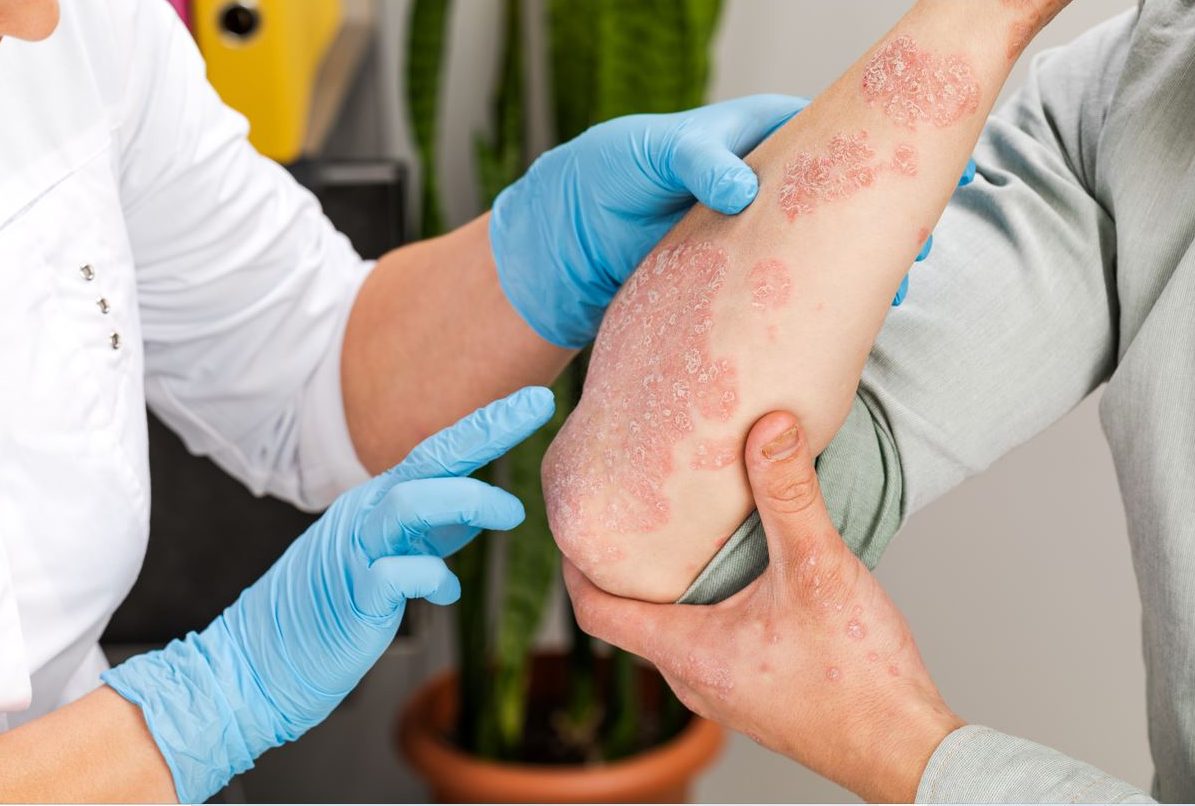
The biggest organ in your body is …….. your skin. Yes SKIN
Sometimes, infections spread to the skin itself. Many different types of microorganisms can cause skin infections, which can have moderate to serious symptoms. While some infections may be treated at home or with over-the-counter drugs, some may need to be treated by a doctor.
Types of skin infections
Four distinct types of skin diseases are as follows:
Bacterial skin infections
Skin infections caused by bacteria frequently start as little, red bumps that gradually become larger. Certain bacterial infections can be treated with topical medications (can be applied on skin directly). While certain bacterial infections may be managed well with topical antibiotics, others need the use of oral antibiotics (swallowed). Bacterial skin infections include cellulitis, impetigo, and boils.
Viral skin infections
A virus is the source of viral skin illnesses, with mild to severe infections present. There are several different viral illnesses, such as shingles (herpes zoster), chickenpox, and measles.
Fungal skin infections
These skin diseases are fungus-based and most frequently appear in moist body regions like the armpit or feet. Some fungal infections are not contagious, and they usually do not pose a serious threat to life. Fungal infections include ringworm, yeast infections, and diaper rashes.
Parasitic skin infections
There is a parasite that causes these kinds of skin diseases. These infections can enter the circulation and organs after starting on the skin. Although not fatal, these infections can be painful. Such infections include bedbugs, and scabies

Signs you have a skin infection
Depending on the kind of skin infection, the symptoms vary. A rash and skin redness are typical signs. Other symptoms including itchiness, soreness, and tenderness might also be present.
If you have pus-filled blisters or a skin infection that doesn’t go away or grows worse over time, see a doctor. Skin infections have the potential to enter the bloodstream. When this happens, it may endanger life.
Pus, blisters, skin sloughing or disintegration, black, necrotic-appearing skin, or skin that becomes discolored and hurts are indications of a serious infection.
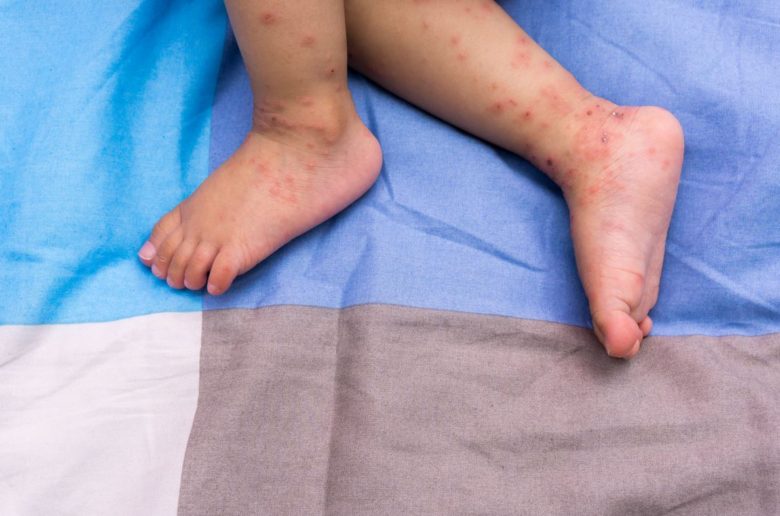
What are the root causes of skin infections and their risk factors?
The type of infection determines the etiology of the skin infection.
Bacterial skin infections happen when germs enter the body through skin breaches, like cuts or open wounds. While getting a cut or scrape doesn’t usually mean that you’ll get a skin infection, having a compromised immune system raises your risk. A sickness or a drug side effect may cause a weakened immune system.
The likelihood of getting a fungal infection is usually affected by lifestyle choices and body chemistry. For instance, if you run a lot or perspire a lot, you could get athlete’s foot more than once. Warm, damp surroundings are ideal for fungi to thrive. A risk factor for skin infections is wearing moist or sweaty clothing.
A parasitic skin infection is brought on by tiny insects or other creatures that burrow under your skin and deposit eggs.
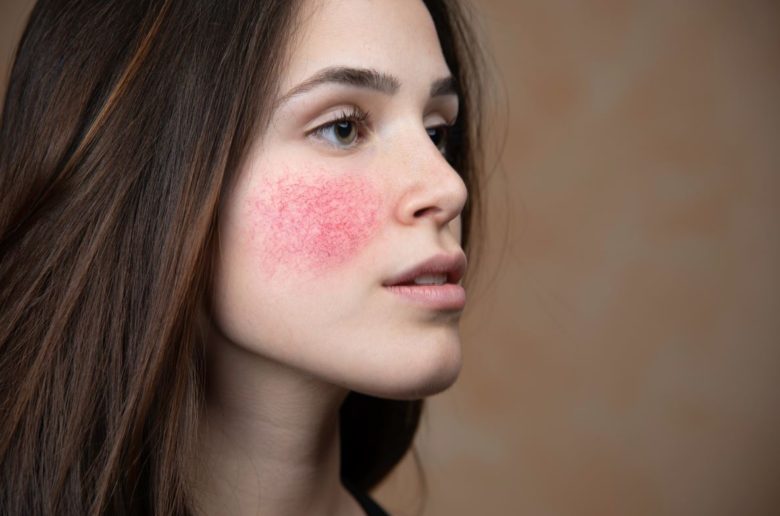
Treatment
The kind and severity of the illness will determine how it is treated. Some viral skin infections may heal on their own in a matter of days or weeks.
Topical antibiotics applied directly to the skin or oral antibiotics are frequently used to treat bacterial infections. If the bacterium strain is difficult to treat, treating the illness can necessitate intravenous antibiotics given in a hospital.
A fungus-related skin illness can be treated with over-the-counter antifungal sprays and lotions. Consult your doctor about prescription oral or topical medications if your issue doesn’t get better. Additionally, you can cure parasitic skin infections by applying medical lotions on your skin. Anti-inflammatory pills are only one type of medication your doctor could advise you to use to ease discomfort.
Symptoms of a skin infection can also be managed at home. These are some examples of what you can do:
- Use cold compresses on your skin several times each day to soothe inflammation and itchiness
- Use over-the-counter antihistamines to lessen itching
- Apply topical lotions and ointments to lessen irritation
Prevention
Disclaimer
BahrainHealthMatters.com is for informative purposes only and not a substitute for professional in person expertise.
We advise that anyone having concerns about their health issues should consult their doctor asap.