
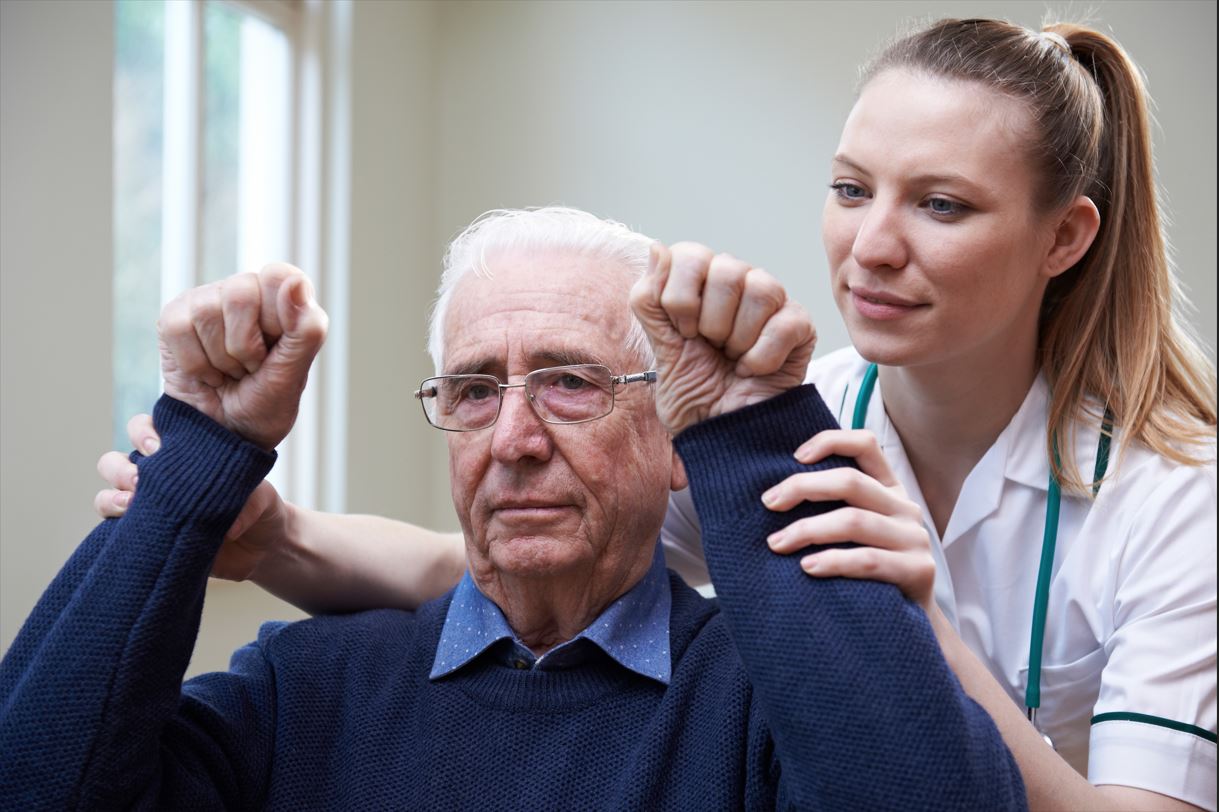
A stroke happens when a blood vessel in the brain bursts and bleeds or when the blood supply to the brain is cut off. Blood and oxygen cannot reach the brain’s tissues because of the rupture or obstruction.
Brain tissue and cells are damaged and start to die within minutes of being oxygen-deprived.
Stroke indicators
Damage to brain tissues results from reduced blood supply to the brain. The bodily functions regulated by the brain injury exhibit stroke symptoms.The earlier the prognosis for someone experiencing a stroke, the earlier they receive treatment. Because of this, being aware of the symptoms of a stroke will help you take prompt action. Some signs of a stroke include:
- Paralysis
- Leg numbness or weakness in the arm or face, especially on one side of the body
- Difficulty communicating or comprehending speech
- Muddled speech
- Lack of mental clarity and disorientation
- Abrupt behavioral changes, particularly increased agitation
- Visual issues, such as double vision or difficulty seeing with one or both eyes that are blurry or blacked out
- Difficulty walking
- Lack of coordination or balance
- Dizziness
- Strong headaches that appear out of the blue
- Seizures
- Vomiting

Any stroke victim must see a doctor right away.
Call emergency services as soon as you suspect that you or someone else is experiencing a stroke.
Early intervention is essential to avoiding the following consequences:
- Brain Injury
- Long-term Impairment
- Death
What are the risk factors that leads to strokes?
You are more prone to stroke if you have certain risk factors. Risk factors for stroke include the following:
- Diet: A poor diet might make you more susceptible to stroke. This kind of diet is high in salt, fats, trans fat, and cholesterol.
- Inactivity: Lack of exercise or inactivity alone might increase the risk of stroke.There are several health advantages to regular exercise. Adults should engage in at least 2.5 hours of aerobic activity per week. This might involve going for a few quick walks each week.
- Heavy drinking: With heavy drinking comes an increased risk of stroke.If you do drink, do so sparingly. This implies a limit of only one drink. Blood pressure might increase with frequent heavy drinking. Additionally, it may increase triglyceride levels, which may result in atherosclerosis. This is artery plaque accumulation, which causes blood vessels to become smaller.
- Nicotine usage: Since tobacco use can harm the heart and blood vessels, it also increases the risk of stroke. Blood pressure is also raised by nicotine.
You have no control over several stroke risk factors, including:
- Family Medical History: Some families have an increased risk of stroke due to inherited health issues including high blood pressure.
- Gender: While both men and women can have strokes, they’re more common in women.
- Age: The probability of having a stroke increases with age.
- Health Background: The risk of stroke is connected to particular medical problems. These include:
- A history of stroke
- Elevated blood pressure
- Elevated cholesterol
- Faulty heart valves
- Irregular heartbeats and enlarged heart chambers
- A sickle cell condition
- Diabetes
- A blood clotting condition

Issues you may face following a stroke
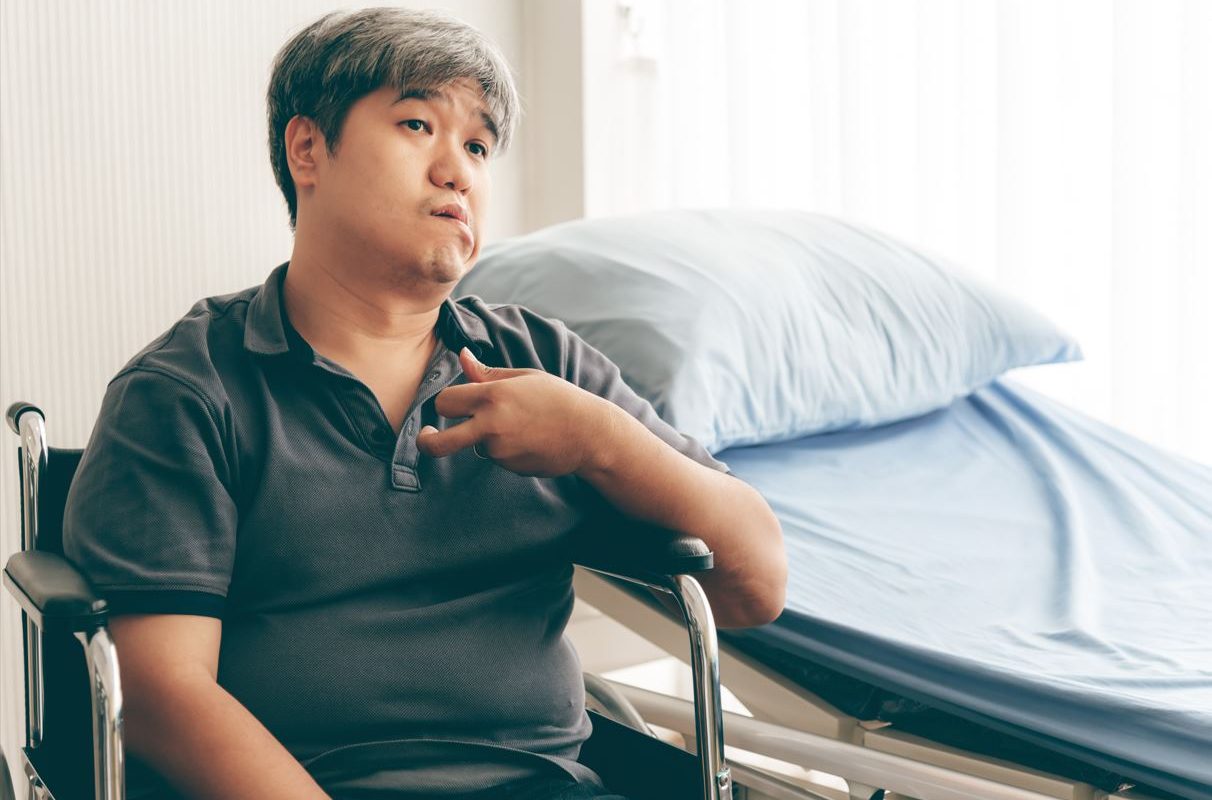
Strokescan bring on lasting impairment of abilities or cause direct harm to the brain.
These difficulties include, among others:
These difficulties include, among others:
- Cognitive dysfunction, such as dementia
- Depression
- Alterations in emotion or mood
- Alterations in perception or feeling
- Seizures
- Limited range of motion, mobility, or capacity to regulate specific muscle movements
- Shoulder aches
- A lack of bowel and bladder control
These issues can be resolved with techniques like:
- Medication
- Physical exercise
- Counseling

Preventing strokes
Not all strokes can be avoided with lifestylechanges. However, several of these changes can significantly reduce your risk of stroke.The following modifications are among them:
- Give up smoking: If you smoke, stop right away. If you smoke, quitting now will lower your risk of stroke. You can reach out to your doctor to create a plan to quit.
- Limit Alcohol use: Heavy alcohol consumption can raise your blood pressure, which in turn raises your risk of stroke. If reducing your intake is difficult, reach out to your doctor for help.
- Maintain a moderate weight: Obesity increases the risk of stroke. To help manage your weight, eat a balanced diet, and stay physically active more often than not. Both steps can also reduce blood pressure and cholesterol levels.
- Get regular checkups: Talk with your doctor about how often to get a checkup for blood pressure, cholesterol, and any conditions you may have. They can also provide you with advice and support while you make these lifestyle adjustments.
All of these steps will help you become in better shape to ward against strokes.
One of the best methods to lower your chance of long-term problems and impairment is to get treatment as soon as possible.
Even though a stroke cannot always be avoided, making some lifestyle modifications can significantly lower your risk. The danger of blood clots, which can result in stroke, can also be decreased with the use of medications.
Your doctor will work with you to develop a preventative plan that is effective for you if they suspect you may be at risk of having a stroke. This plan may include medication intervention as well as dietary and lifestyle adjustments.
One of the best methods to lower your chance of long-term problems and impairment is to get treatment as soon as possible.
Even though a stroke cannot always be avoided, making some lifestyle modifications can significantly lower your risk. The danger of blood clots, which can result in stroke, can also be decreased with the use of medications.
Your doctor will work with you to develop a preventative plan that is effective for you if they suspect you may be at risk of having a stroke. This plan may include medication intervention as well as dietary and lifestyle adjustments.
You must get emergency medical care as soon as you can if you think you could be having a stroke.

Disclaimer
BahrainHealthMatters.com is for informative purposes only and not a substitute for professional in person expertise.
We advise that anyone having concerns about their health issues should consult their doctor asap.