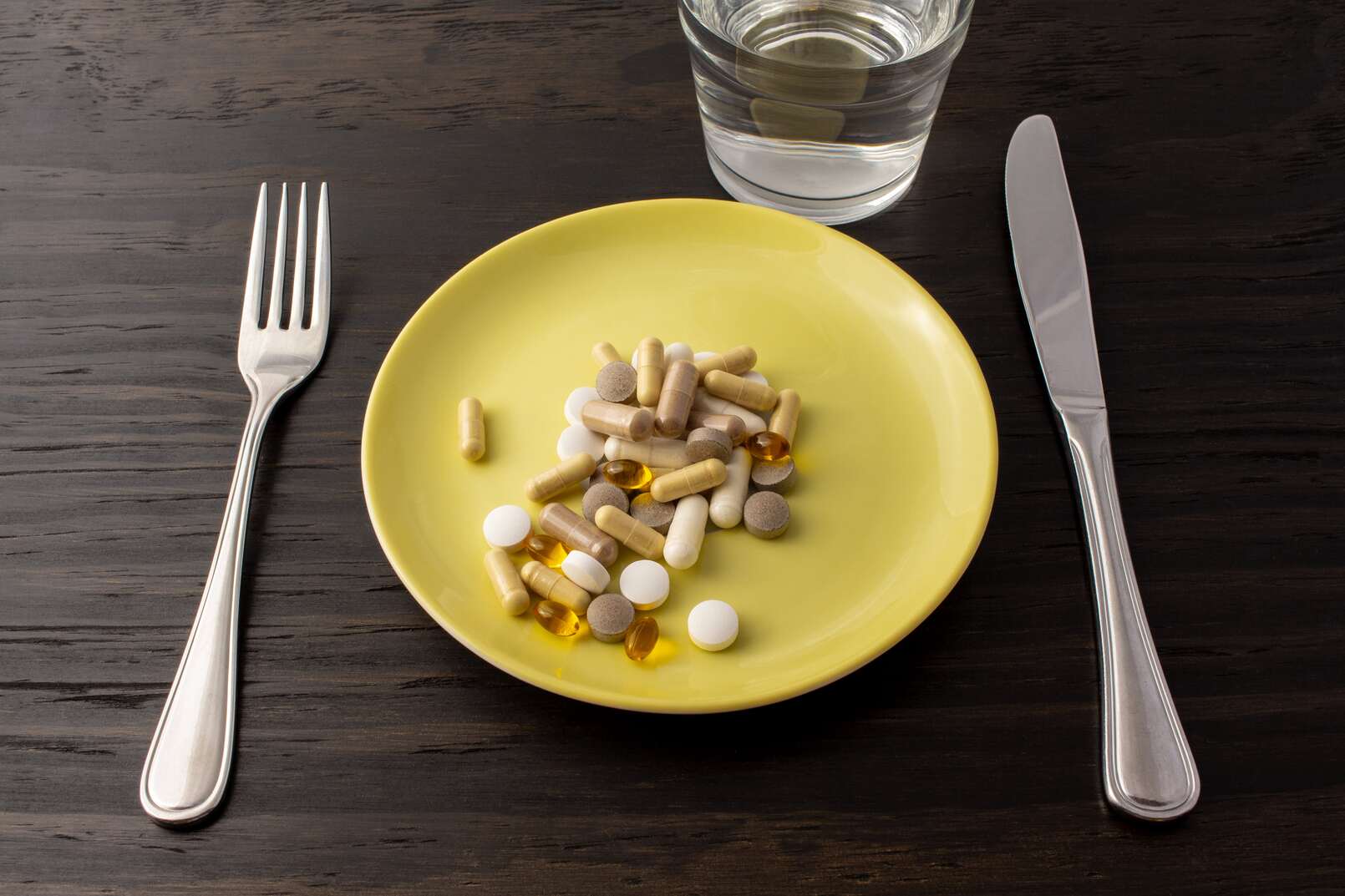
Many people use dietary supplements on top of or in place of prescription medications to manage their health conditions. But without strict professional oversight or comprehensive studies, these supplements can sometimes cause serious medical issues.
Take, for instance, the 64-year-old woman who took a red yeast rice supplement to lower her cholesterol, because she was reluctant to go on medication, only to end up being diagnosed with acute liver injury.
Red yeast rice supplements contain monacolin K, in significantly irregular amounts. The active component of the cholesterol-lowering medication lovastatin, which also poses a risk of liver damage, is chemically the same as this substance.
The woman ended up in the hospital with symptoms including lethargy, bloating, and black urine after taking the supplement for six weeks.
Her medical professionals determined that she had red yeast rice as the most likely cause of drug-induced liver impairment.
Despite the fact that this case included just one patient, it raises concerns regarding the safety of using not only red yeast rice supplements but all supplements available over-the-counter.
Natural does not mean safe.
Consulting your physician about using supplements
Choosing to use supplements over prescribed medicine is a huge risk. Unlike supplements, prescribed drugs have years of clinical research backing up their benefits and efficacy. While prescription drugs also come with side effects such as muscle problems, newly developed diabetes, and an elevated risk of stroke, it is rare to see patients be affected by these side effects adversely, and most report positive experiences.
Additionally, unlike with supplements, doctors regularly check on their patients to assess how well they are tolerating the drug. This entails analyzing their blood levels for drug-related issues. When patients self-treat with dietary supplements, especially when they don’t discuss what they’re taking with their doctor, this constant monitoring component is absent.
Doctors acknowledge that many individuals currently self-treat with vitamins, but he doesn’t advise them to do so.
If a patient decides they do not want to take a prescription that he has been given, doctors urge them to let them know and to discuss any supplements they are taking with him.
It is important that you consult your doctors before taking supplements. Many supplements can include additional substances that have negative effects or interact with prescription drugs, and it is not possible to know how much of these substances are present in your supplements. Your doctor can inform you of the hazards and risks, and provide you with better alternatives, or even a more suitable supplement for your condition.
Disclaimer
BahrainHealthMatters.com is for informative purposes only and not a substitute for professional in person expertise.
We advise that anyone having concerns about their health issues should consult their doctor asap.