Testicular cancer

by gdnadmin

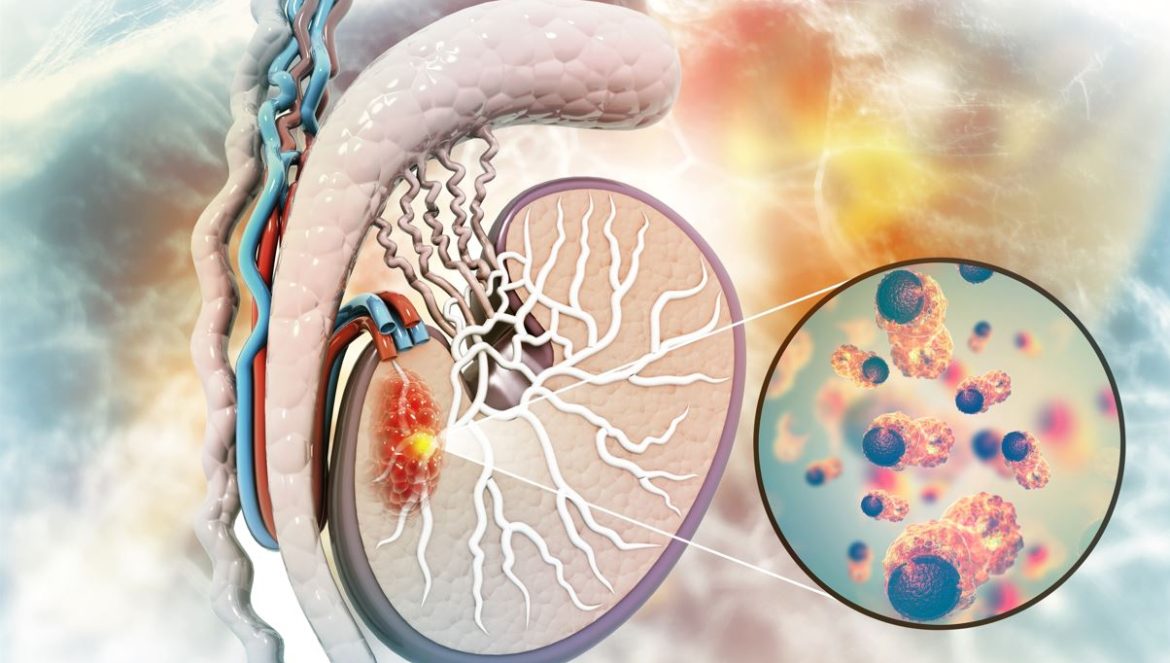
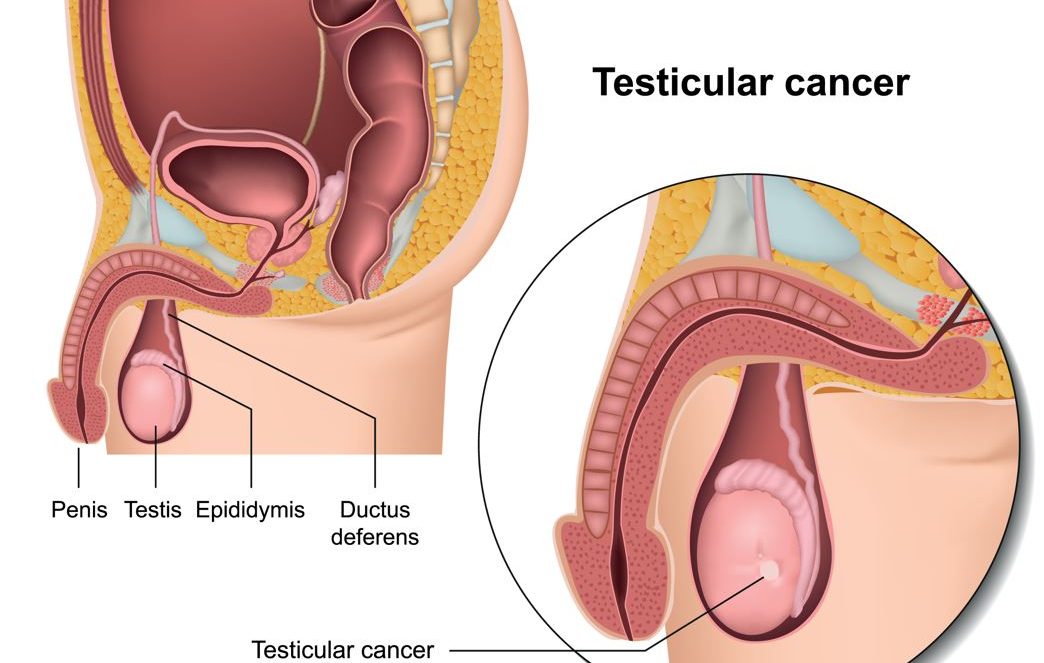
Cancer that starts in either one or both testicles, or testes, is referred to as testicular cancer. The scrotum, or skin pouch under the penis, contains the male reproductive organs known as the testes. Sperm and the hormone testosterone are produced in the testes.

Changes in germ cells are most frequently the first sign of testicular cancer. These are the sperm-producing cells found in your testicles. Roughly 95% of testicular malignancies are germ cell tumors.

Germ cell tumors can be of two major types:

  • Seminomas: These are slow-growing testicular tumors. They typically affect your testes; however, they can also affect your lymph nodes.
  • Nonseminomas: These cases of testicular cancer are increasingly frequent. This kind spreads more quickly and could affect other bodily parts.

Additionally, hormone-producing organs are susceptible to testicular cancer. These tumors are referred to as gonadal or sex-cord stromal tumors. Males between the ages of 15 and 35 are most likely to be diagnosed with testicular cancer. However, it can strike at any age. Even if it has spread to other places, it is one of the most curable malignancies, with a 95% 5-year survival rate overall.

Symptoms

When given the testicular cancer diagnosis, some patients exhibit no symptoms. When signs do emerge, they may include:
  • Discomfort or pain in the testicles
  • Testicular enlargement
  • Back or lower abdominal ache
  • Lower belly aches or feels heavy
  • increase in breast tissue size
  • In prepubescent males with testicles, vocal alterations and face and body hair development are observed.
  If any of these symptoms apply to you, make an appointment with your doctor.

Self-examination for Testicular Cancer

Self-examination of the testicles is a simple approach to check for malignancy. Doctors recommend monthly self-exams, ideally after showers, when your scrotum’s skin is more relaxed. Gently check your testicles for any changes in size, shape, or substance. Look for lumps that may be as little as a rice or pea grain.

You must see a doctor if you find a lump or any unusual changes.

Medical Examination

It starts with an ultrasound and blood test.

Based on the findings of your ultrasound and blood tumor marker test, your doctor may advise surgery if they believe you have testicular cancer. The radical inguinal orchiectomy treatment seeks to completely remove the tumor so that a biopsy may be performed on the removed tissue.

A biopsy is performed to identify cancer. A testicular tumor biopsy may result in the spread of the disease. To obtain a sample from the tumor, your doctor would most likely remove the entire testis from the scrotum.

Following the diagnosis, testing including pelvic and abdominal CT scans will be performed to check for the spread of the malignancy. Staging describes this.

Stages of testicular cancer

In Stage 1, only the testicle is affected. Abdominal lymph nodes have been affected by Stage 2 of the cancer. By stage 3, the cancer has expanded to other bodily regions, including the liver, brain, lungs, and bones. How fast it spreads, depends on its malignancy, which can be determined through more testing.

Risk factors

  • Having a history of the illness in one’s family
  • Unnatural testicular growth or development
  • Age (most prevalent in men aged between 15 and 35)
  • Having an undescended testicle (cryptorchidism)

Most doctors agree on one issue for testicular cancer in that there is no way of preventing this form of cancer. However, you must look out for symptoms and carry out regular self-exams.

Disclaimer

BahrainHealthMatters.com is for informative purposes only and not a substitute for professional in person expertise.
We advise that anyone having concerns about their health issues should consult their doctor asap.

Leave a Comment

Want to support the Health Matters Expo

Corporate Office

Feature Posts

Newsletter